
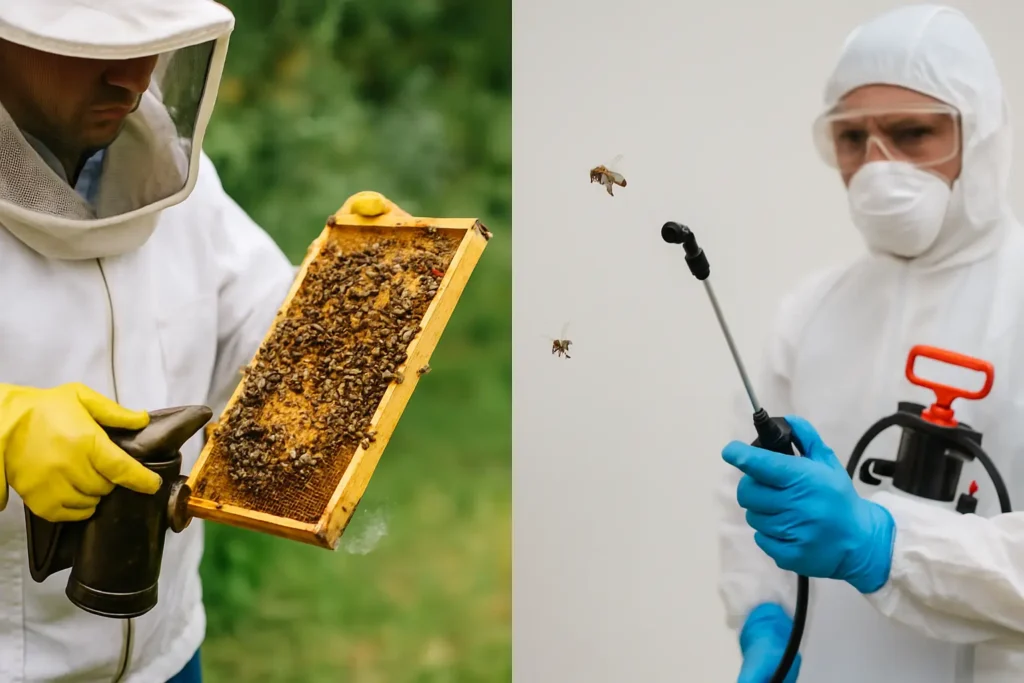
Bee Removal vs Extermination: What to Choose
Bee removal vs extermination comes down to safety, legality, and long-term results. Learn which option fits your property and situation.
Bee removal vs extermination comes down to safety, legality, and long-term results. Learn which option fits your property and situation.

Learn how to keep bees away from hummingbird feeder with humane, proven tweaks to nectar mix, placement, and timing to protect birds and people.
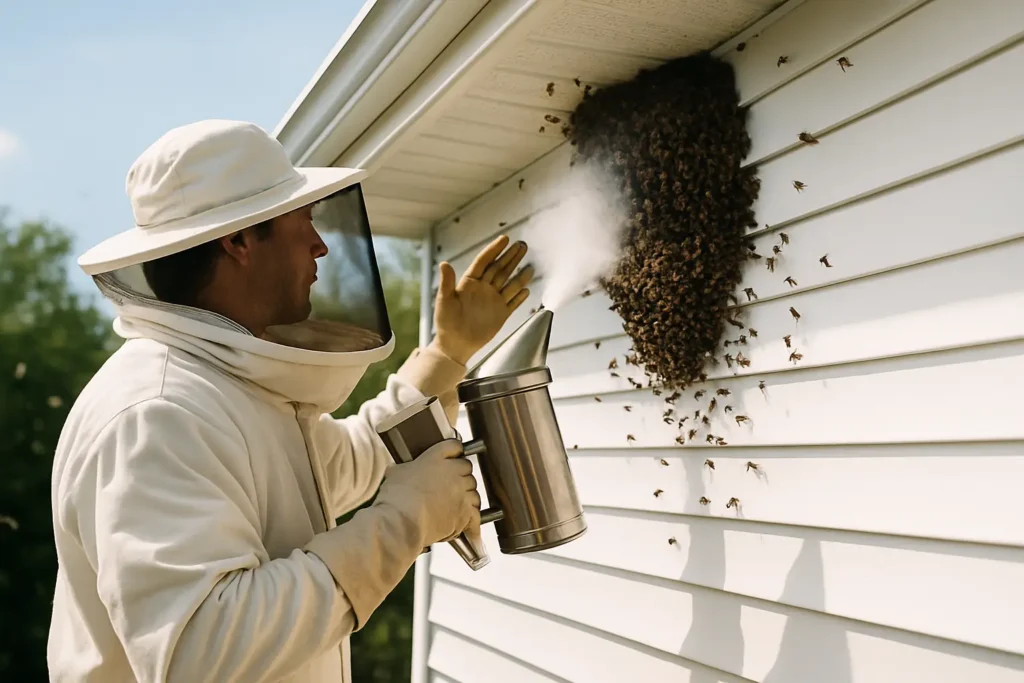
Learn what humane bee removal services include, how live relocation works, and how to prevent return swarms without chemicals or shortcuts.
Humane Bee Removal That Actually Fixes the Problem Read More »
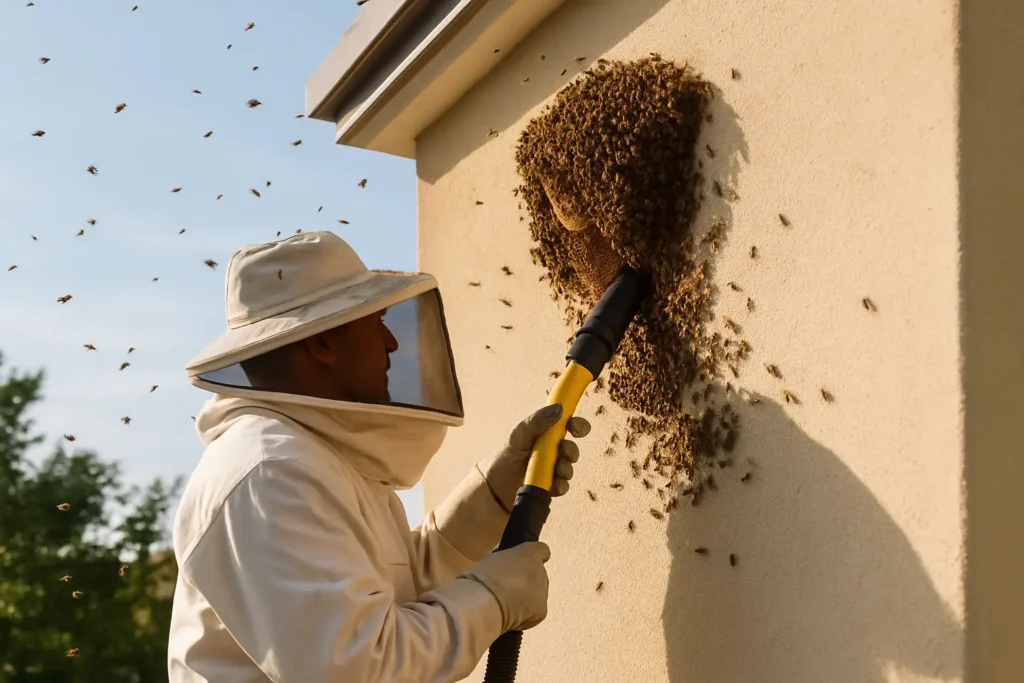
Bee removal service reviews Los Angeles homeowners trust: what to look for, red flags to avoid, and how to choose humane, lasting hive removal.
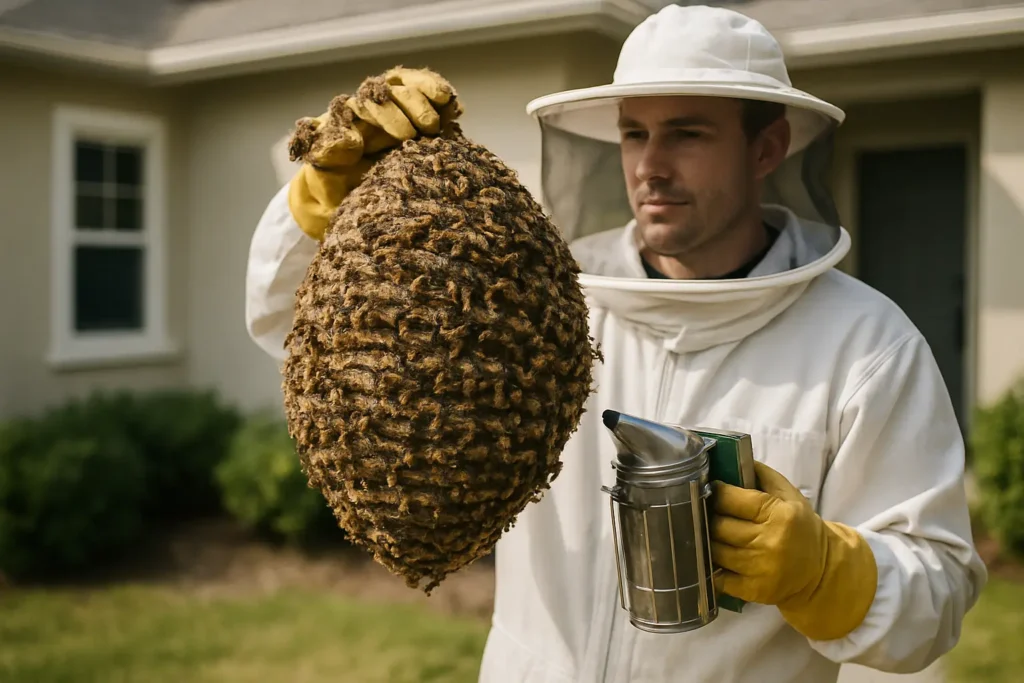
Learn the importance of bee ethical practices for safe, humane removal, lasting prevention, and healthier local pollinator populations in California.
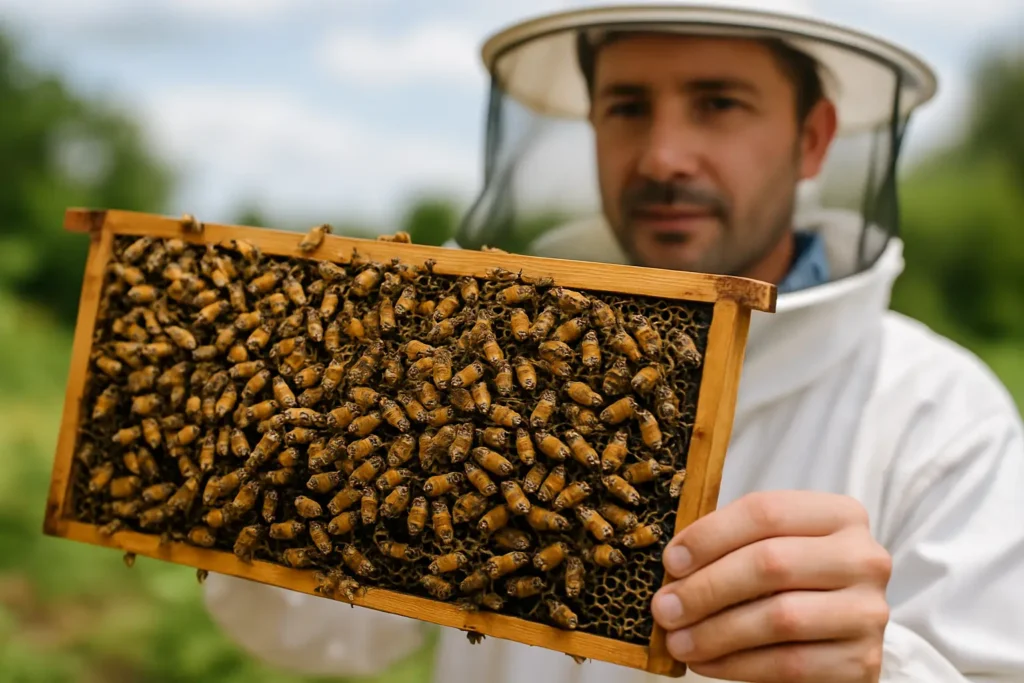
Learn how to read bee relocation service reviews Orange County homeowners trust, spot humane pros, and avoid repeat infestations with smart questions.
Orange County Bee Relocation Reviews That Matter Read More »

Turn to Eli the Bee Guy for expert bee removal solutions. Safe, effective, and reliable, he ensures a worry-free environment, protecting both homes and bees.
Why Choose Eli the Bee Guy as Your Bee Removal Professional Read More »
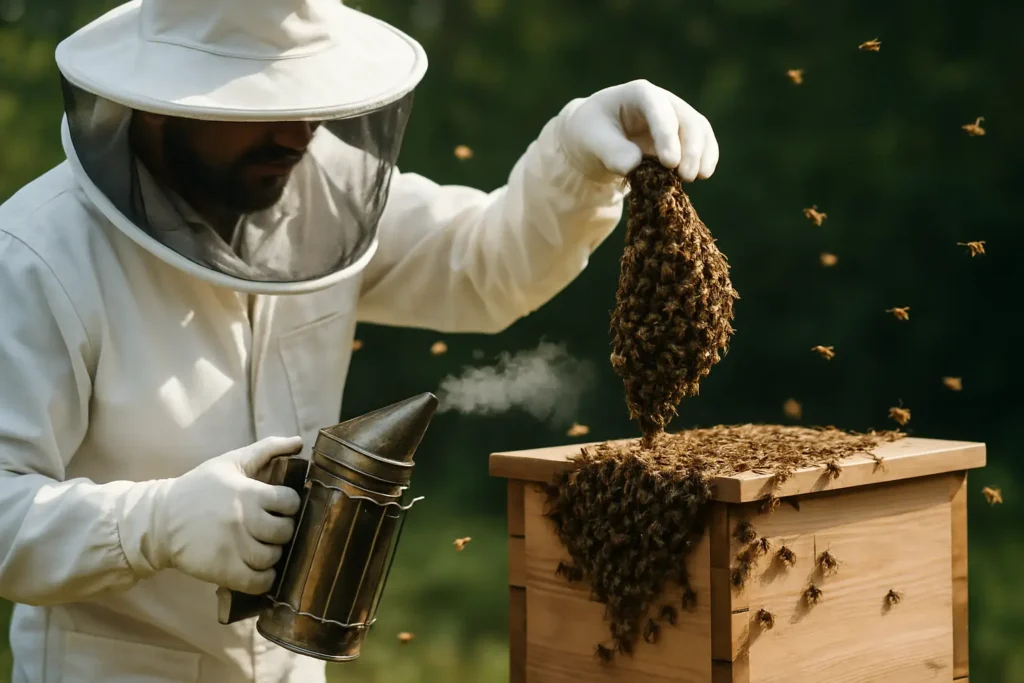
Learn how to safely relocate honey bees with calm, humane steps, realistic safety limits, and when to call a pro for removal and repairs.
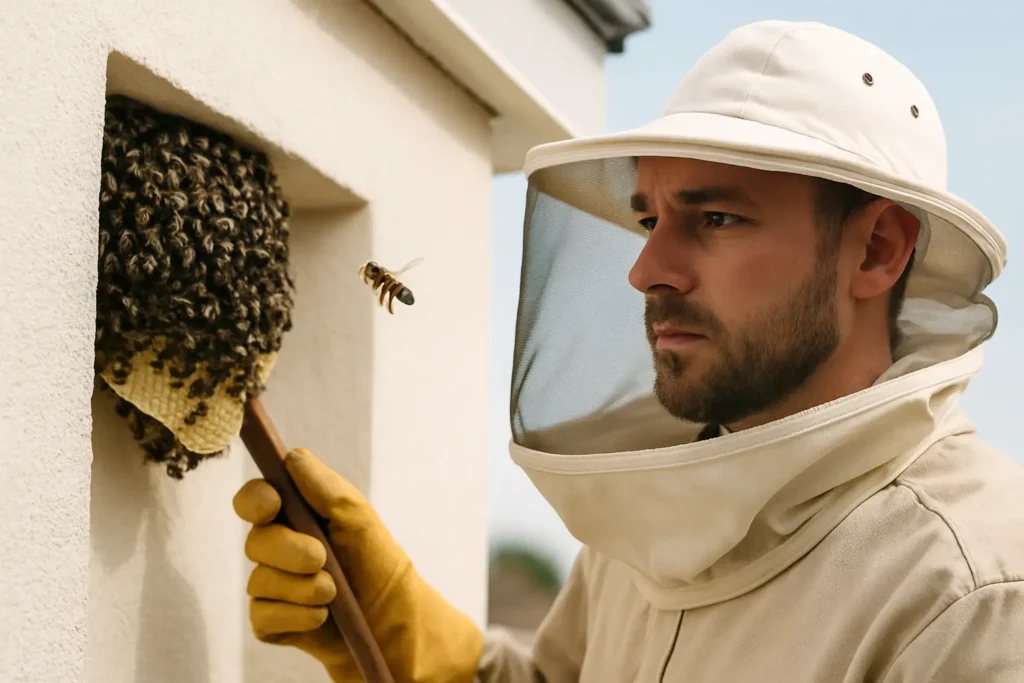
Best bee removal company questions answered for California properties – pricing, timing, humane relocation, repairs, and prevention you can trust.

Understanding bee removal laws in California helps you protect people and bees. Learn what’s legal, when to call a pro, and how removals should happen.