Frequently Asked Questions About Bee Removals
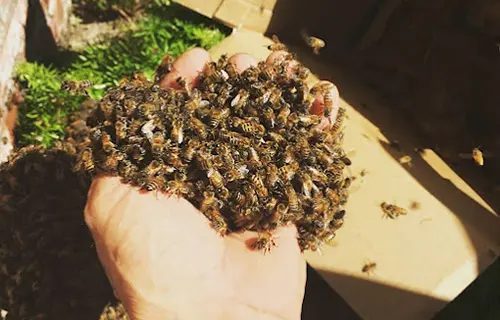
Frequently Asked Questions
Why do I see more bees in summer?
Like most Californians, bees are solar-powered and do their best work on warm, sunny days. They stay in when it’s cold and wet, because hail and heavy rain can wreck their wings, and they can’t work in extreme heat either. On Goldilocks days (not too hot, not too cold) with plenty of flowers around, they go twice as hard, bringing in as much nectar as they can to build the honeycomb that carries them through cloudy days and the times when plants aren’t flowering. They mostly swarm in spring, when a hive is packed full with new drones and a queen leaves to start a new colony.
Why are there so many bees this year?
Most years with lots of bees follow a wet winter. Southern California gets a big spring bloom, colonies grow fast and split, and more swarms go looking for a home. In hot, dry stretches you also see more bees at pools, hoses and dripping faucets because they need water. Either way, bees flying around the yard are normal. Bees going in and out of one spot on your house are not, so call me if you see that. More on swarms in will a bee swarm leave on its own?
If I have a bee hive that needs to be removed, how do I avoid being stung by a bee?
Bees mostly sting to defend themselves or when they get surprised, so the best way to avoid a sting is to move slowly around them and leave them alone at home.
Skip the floral prints, perfume, scented body spray and suntan lotion when you’re out working in the garden, because the bees can mistake you for a flower.
I know how bees behave, and I wear the right protective gear when I take them off your property. I also move and talk calmly around them so they settle down and don’t see me as a threat. Never trust a beekeeper who gets rough around a hive or shows up wearing strong deodorant!
Do honey bees die when they sting?
Yes. A honey bee worker has a barbed stinger that stays in your skin, and she dies after stinging, so honey bees only sting when they feel they have to defend themselves or the hive. Wasps and yellow jackets have smooth stingers and can sting again and again. Scrape a honey bee stinger out quickly with a fingernail or a card, and call 911 if anyone has trouble breathing or swelling in the face or throat.
Why is there a price range instead of one flat fee?
Swarms are a flat $250. Hives built inside a structure are different: some colonies moved in last week, others have built comb several feet across inside a wall, a roof or under a floor. That’s why structural removals run $375 to $1,000, depending on height, access, colony size and how much has to be opened up. The inspection is free, and you get the exact price before any work starts, with no hidden charges. See the full bee removal cost guide.
Where are rescued bees taken?
I do live rescues, and I don’t vacuum bees, because vacuuming can damage their wings and leave them unable to fly. The bees go to local beekeepers I’ve checked out carefully, and they keep on pollinating there. Wasps and yellow jackets can’t be rehomed like honey bees, so their nests get removed instead of relocated. See wasp removal.
Can I exterminate the bees?
Please don’t. Exterminating a hive inside a structure usually backfires. The poison kills the bees but leaves the comb and honey in the wall or roof, where it melts, rots and draws in ants, roaches and the next swarm. A live removal takes out the bees and all of the comb, and the colony goes to a vetted local beekeeper instead of getting destroyed.
Honey bees are also some of California’s most important pollinators, for crops like almonds and for backyard gardens. Give me a call instead, and I’ll rehome the hive or swarm safely. If money is tight, we can work out a payment arrangement.
-
Resources for keeping native bees happy in your garden.
Every garden needs pollinators, and bees do that job better than anything else. A lot of native bees don’t live in big colonies (hives) at all. If you want to bring more native bees into your garden, these resources are a good place to start.
Have a question about bee removal that isn’t listed here? Contact me directly and I’ll get back to you the same day, Monday through Saturday.
Bee removal cost and who pays
How much does bee hive removal cost?
A swarm removal is $250. A structural removal, where the colony has built comb inside a wall, roof, chimney or water meter box, usually runs $375 to $1,000. The price depends on how high the hive is, how much has to be opened up, how big the colony is, and the cleanup and sealing afterward. The inspection is free, and you get the exact price before any work starts. More on what goes into bee removal cost.
Is there free bee removal? Will a beekeeper take the bees for free?
Legitimate live bee removal isn’t free. Taking out a colony costs time, fuel and equipment, the person doing the work carries the liability, and the bees need looking after once they’re moved. Free offers are usually for an easy swarm hanging out in the open, not a hive built into a structure, and they almost never include pulling the comb or sealing the entry. What’s free with Eli the Bee Guy is the inspection, so you know what you’ve got and what it costs before you commit.
Does homeowners insurance cover bee removal?
Usually not. Most homeowners policies treat insects as a maintenance issue and won’t pay for removal. Some policies cover sudden damage, so if a hive damaged your home, it’s worth calling your insurer. I can give you photos and a written description of the job for your records.
Does the city or animal control remove bees?
In Southern California, cities and animal control generally don’t remove bees from private property. They send homeowners to private bee removal services, and some counties keep a list of live bee removers. Eli the Bee Guy is on the Los Angeles County Agricultural Commissioner’s live honeybee removal list.
Who do I call to remove bees?
For honey bees, call a live bee removal specialist. Pest control companies spray, which leaves the comb and honey in your wall, and cities and animal control generally won’t remove bees on private property. A removal specialist takes out the bees and all of the comb, seals the entry, and relocates the colony. Wasps and yellow jackets are a different story. They get removed instead of relocated, and I handle those too. Call or text (626) 487-6052.
I rent. Who is responsible for removing bees?
Tell your landlord or property manager in writing as soon as you notice bees going in and out of the building. In most rentals, setting up the removal is the owner’s job. I work with landlords, HOAs and property managers all the time. See commercial bee removal.
Bees in walls, roofs and attics
How do I know if I have bees in my wall?
The surest sign is a steady line of bees flying in and out of one spot: a gap in the stucco, a weep screed, a vent, a roof tile or the corner of a window frame. You might also hear humming or buzzing inside the wall, or find bees indoors around lights or outlets. With older hives you can get dark stains or honey seeping through. See early signs of a hive and how to find the entry point.
What do bees in a wall sound like?
A low, steady hum, louder on warm afternoons, that you feel more than hear if you put your ear or your hand on the wall. A big colony can sound like a motor running somewhere off in the distance, or a fan. If you can hear the hum from across the room, the colony is probably big. See what a bee infestation sounds like.
Can honey bees damage my house?
Honey bees don’t chew through wood or drywall, but a hive left in a structure does real damage over time. Comb and honey can weigh many pounds, honey can soak through drywall and ceilings, and if the colony dies or gets sprayed, the comb melts and rots. That brings in ants, roaches, wax moths and the next swarm. See hidden damage bees can cause.
Should I spray the bees or seal up the hole?
No. Spraying makes the colony defensive, rarely reaches the comb, and leaves dead bees and honey inside the wall to rot. Sealing the hole traps the bees inside, and they’ll often find another way out, sometimes into your living space. Leave the entrance open and call for a live removal. See bee removal vs. extermination.
Will bees in my wall leave on their own?
No. Once a colony has built comb and is raising brood, that’s home. It keeps growing every season and can throw off swarms of its own. A swarm resting out in the open is different and often moves on within a day or two, but a colony inside a structure has to be removed.
How do you remove bees from a wall or roof?
I find the colony, open the wall, soffit or roof tiles over it, and take the bees out alive along with all of the honeycomb, honey and wax. Then the cavity gets cleaned and the entry point sealed, so the smell doesn’t pull a new swarm back in. The bees go to a vetted local beekeeper. See bee hive removal and extraction and repairs.
Do bees come back after they’re removed?
They can if the comb gets left behind or the entry stays open, because the smell of wax and honey brings in scout bees from new swarms. So a proper removal takes out all of the comb, cleans the cavity and seals the entry point.
Do you guarantee your work?
Yes, for structural removals. When I take a hive out of a wall, roof, chimney or other part of a structure, it comes with a 6-month guarantee: if honey bees move back into the same spot within 6 months, I come back and take care of it at no charge. Swarm removals aren’t guaranteed, because nobody can control whether a new swarm lands on your tree or fence later. Wasp nest removals come with a 30-day guarantee. The guarantee covers the bees, not the repair. After a removal I patch the opening, depending on the condition of the structure. It’s a patch, not a structural rebuild, and since Eli the Bee Guy is not a licensed contractor, repairs carry no structural warranty.
I still see a few bees after the hive was removed. Is that normal?
Yes, for a day or two. Foragers that were out during the removal come back to where the entrance used to be. With no queen and no comb they can’t start a new colony, so they scatter. If you’re still seeing steady traffic after several days, call me and I’ll check the area.
Bee swarms
Why do bees swarm?
Swarming is how a honey bee colony reproduces. When a hive gets crowded, usually in spring, the old queen leaves with about half the workers to start a new colony, and the bees left behind raise a new queen. The swarm hangs on a branch, fence or wall for a few hours to a few days while scouts look for a new home. Swarms are usually gentle because they don’t have comb or honey to defend yet, but don’t spray them or mess with them. See will a bee swarm leave on its own?
A swarm of bees landed in my yard. What should I do?
Keep people and pets away, don’t spray it or throw water on it, and watch it from a distance. A swarm is a bunch of bees and their queen resting while scouts look for a new home. They’re usually calm, since there’s no comb to defend. A lot of them leave within a few hours to a couple of days. If the swarm is near a door, a pool or a play area, or it’s still there after two days, call to have it collected before it moves into your walls. See what to do about a swarm outside.
Are bee swarms dangerous?
A resting swarm is usually gentle, but any group of bees will defend itself if it gets disturbed. A lot of the feral colonies in Southern California have Africanized genetics, which makes them quicker to defend. Don’t try to move, spray or knock down a swarm yourself.
Doing it yourself, exterminators and wasps
Can I remove a beehive myself?
An experienced beekeeper can collect a swarm hanging in the open, but a hive built inside a wall, roof or meter box isn’t a DIY job. You’d be opening up the structure right next to tens of thousands of defensive bees, getting out every bit of comb, and sealing the cavity properly. Without the right protective gear and experience, you’re very likely to get stung many times. See what’s safe to do yourself.
Should I call an exterminator or a beekeeper for honey bees?
A beekeeper who does live removals. An exterminator kills the bees but usually leaves the comb and honey inside the structure, and that leads to rot, stains, pests and repeat swarms. A live removal takes out the bees and the comb, and the colony gets rehomed.
Not every beekeeper does removals, though. See beekeeper for bee removal for what to ask before you hire one.
Do you remove wasps, yellow jackets and hornets too?
Yes. Wasps and yellow jackets don’t get relocated like honey bees, but I remove their nests from eaves, walls, the ground and play areas, with food-grade products and no pesticides. Paper wasp and mud dauber nests are $250, which covers up to 8 nests. A yellow jacket nest that has to be dug out of the ground is $375. Wasp removals come with a 30-day warranty. See wasp removal, yellow jacket removal and how to tell them apart.
How fast can you come out?
Often the same day. I’m open 24 hours Monday through Saturday across Orange County, the Inland Empire and Los Angeles County, and on Sundays I still answer calls and texts. If bees are inside the house or someone is allergic, call (626) 487-6052 right away or see emergency bee removal.
Serving Southern California: LA County, Orange County and the Inland Empire.
-
Request a Quote
Call or text me today for a free quote, no obligation. (626) 487-6052
Free consultation
Get a free inspection and quote
Tell me what you’re seeing and where, and I’ll get back to you. For swarms or allergy emergencies, call (626) 487-6052.
- Free inspection & honest pricing
- Live relocation with no poison
- Hive removal & entry-point patching
Why People Choose Me
-
Eco-friendly
The bees go to beekeepers I pick myself, people who know how to look after a hive so it keeps living.
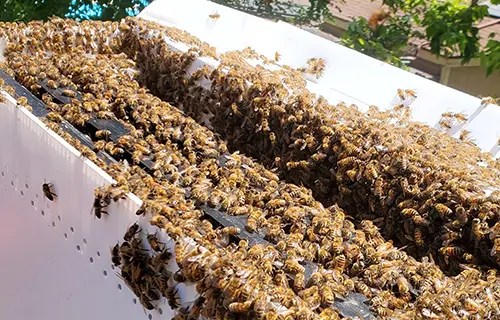
Residential & Commercial
Everything from getting the hive out to sealing and patching the entry and exit holes. Owner-operated, polite and careful on your property.
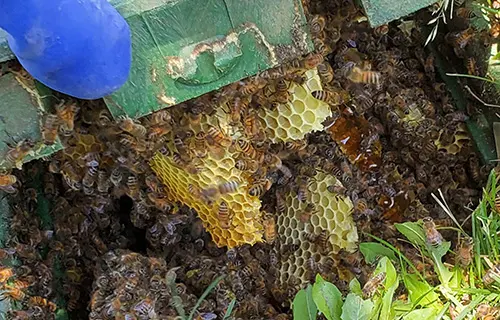
Free Inspections & Quotes
Every hive and every structure is different, and hives are usually bigger than they look. My quotes include taking out all the comb, sealing the entry point and a minor patch over the opening.
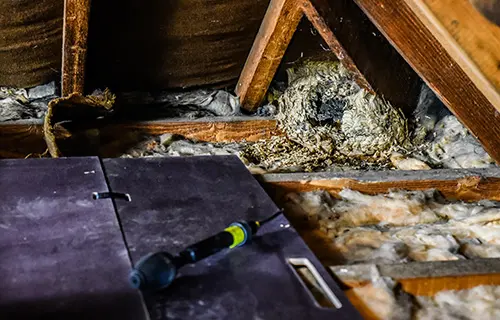
Wasp & Yellow Jacket Removal
I take wasp and yellow jacket nests out of eaves, walls and the ground, so your family and pets can use the yard again.