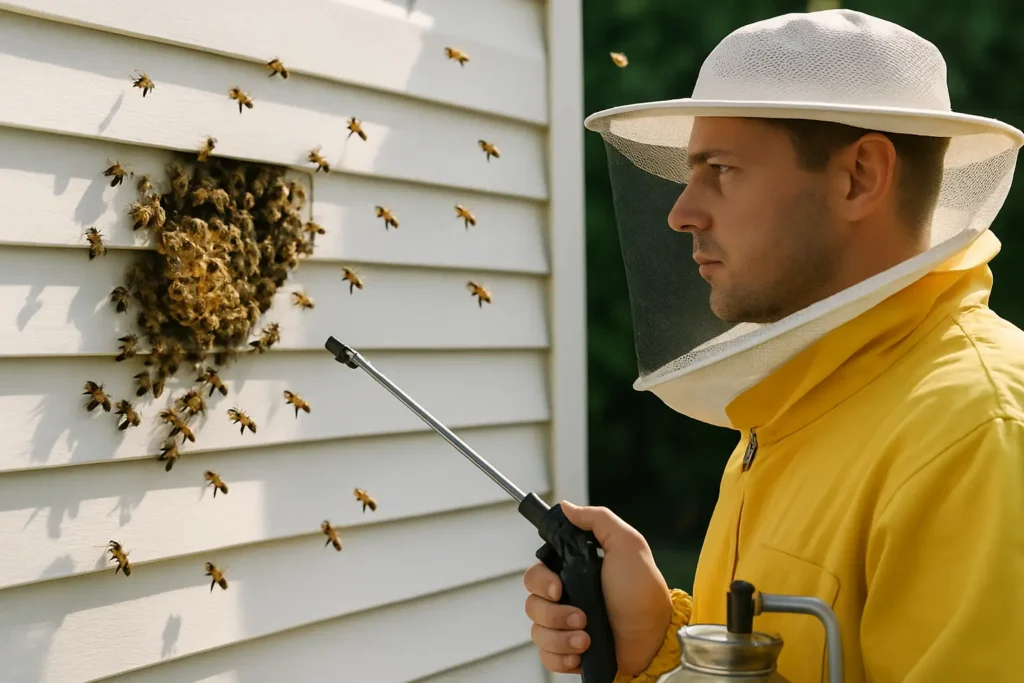
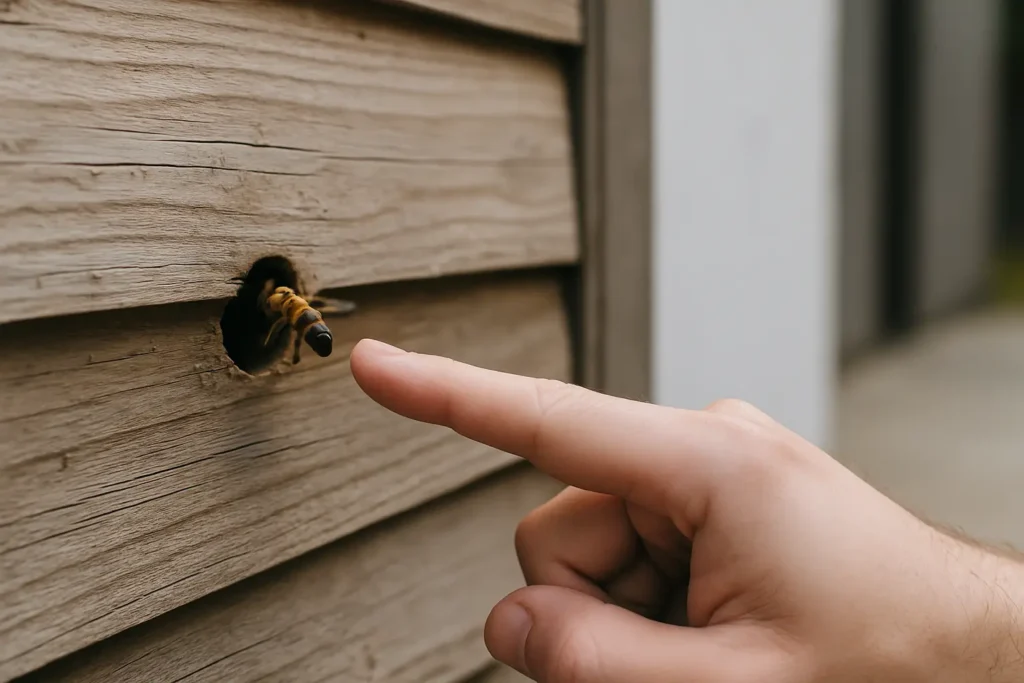
A bee colony in a wall is not a “bug problem.” It is a living, working community tucked inside a structure that was never built for it – and it can turn a calm home or job site into a stressful one fast.
If you are managing stings risks, tenant concerns, or a busy household, you need the bees gone. But how they are removed matters more than most people realize. The importance of bee ethical practices is not about choosing the “nice” option when it is convenient. It is about choosing the option that is safest for people, most permanent for the property, and most responsible for the environment we all share.
The importance of bee ethical practices in real-life removals
Ethical bee work starts with a simple idea: solve the human safety problem without turning it into a bigger ecological problem. In practice, that means prioritizing live removal and relocation when feasible, minimizing harm, and avoiding methods that create lingering hazards.
There are times when a colony is highly defensive or the location is complex. Ethical practice does not mean pretending every job is easy or risk-free. It means making careful decisions, communicating trade-offs, and choosing the method that best protects occupants while respecting the role bees play outside your walls.
For homeowners and property managers across Southern California, ethical practices typically show up in three outcomes that you can actually feel: fewer surprises, fewer repeat infestations, and a safer property after the work is done.
Bees are beneficial – just not in your building
It is completely reasonable to want bees off your property when they are nesting in an attic, soffit, chimney, or wall cavity. A colony inside a structure can cause:
- Stinging incidents, especially near entry points, pools, patios, and walkways
- Business disruption when customers or employees feel unsafe
- Serious risk for anyone with allergies
- Property damage when comb, honey, and moisture build up over time
At the same time, bees are also key pollinators for gardens, landscaping, and agriculture. Ethical practices recognize both truths at once: your space needs to be safe, and bees need a better home.
That balance is the heart of humane removal. It is not “save the bees at any cost.” It is “restore peace and home – without creating unnecessary harm.”
What “unethical” removal often looks like (and why it backfires)
When people call us after a failed attempt, the story is usually the same. Someone sprayed. Someone sealed the hole. Someone used a cheap service that promised “same-day kill.” The immediate problem may look solved for a week or two, and then the after-problems start.
Chemical treatments can leave behind pesticides in walls and eaves where pets, kids, and maintenance teams might be exposed later. They also do not remove the comb and honey. A dead-out colony still leaves a mess inside the structure, and that can lead to odors, staining, pests like ants and roaches, and even moisture issues.
Sealing an entrance without removing the hive can be just as bad. Trapped bees may find their way into interior spaces, and the remaining honeycomb can melt in warm weather. In Southern California heat, that is not a rare scenario.
From a property perspective, these quick fixes are often not fixes at all. They are delays that make the eventual professional job more complicated and more expensive.
Ethical bee removal is also the most practical option
The “humane” approach is sometimes framed as a feel-good extra. In reality, it is often the most practical way to achieve a permanent outcome.
Live removal and full hive extraction focus on getting everything out: bees, comb, brood, honey stores, and the scent trails that attract future swarms. When that is paired with entry-point repairs, it addresses why the bees chose the spot in the first place.
If you are a property manager, this matters for repeat calls and liability. If you are a homeowner, it matters for not reliving the same stress next season.
Ethical work is not always the cheapest bid up front. But it tends to be the lowest cost over time because it prevents re-occupation and reduces the chance of hidden damage.
Relocation: not all “rescues” are equal
Many companies say they “relocate” bees. The details are where ethics live.
Relocation should mean the colony is moved intact when possible, to a place that can actually support it. A rushed transfer to an unknown location, or leaving a weakened colony without proper care, is not a real rescue.
The best outcomes come when bees are placed with vetted beekeepers or apiaries that support natural behaviors, provide appropriate housing, and can monitor the colony’s health. That is not just good for the bees – it also reduces the chance the colony collapses and contributes to local disease or pest pressure.
Ethical relocation is also honest about limits. Sometimes a colony is not a classic managed honey bee hive. Sometimes it is mixed, stressed, or in a location where removal can harm the structure. A reputable pro will explain what is possible, what is risky, and what choices you have.
Safety: ethical means protecting people first, too
Humane removal is not “hands-off.” It is skilled, controlled work that prioritizes safety.
Ethical operators use methods that reduce agitation and keep flight paths controlled, especially in neighborhoods with close property lines. They plan around kids, pets, and foot traffic. They talk through what you should do during the removal window, and they do not leave you guessing.
If there is a known allergy risk in the home or on the worksite, that changes the plan. It may affect timing, protective measures, or how quickly the situation needs to be stabilized before a full extraction. Ethical practice means taking those concerns seriously, not brushing them off.
Sustainability at the property level: why repair work is part of ethics
There is an environmental side to ethical practices, but there is also a very practical building-science side.
Bees choose cavities that are dry, protected, and often already have gaps or voids. If those entry points are not addressed, another swarm can move in. That is not the bees “being aggressive.” It is them following a scent and finding an available home.
A complete, ethical approach includes:
- Locating and removing the entire hive structure when feasible
- Cleaning or treating the cavity as appropriate to reduce lingering attractants
- Repairing entry points so the space is not re-colonized
This is where humane and permanent overlap. It is hard to call a job ethical if it leaves the colony dead in the wall and the building still vulnerable.
“It depends” scenarios: when choices are not simple
Ethical bee work allows room for real-world complexity.
If bees are in a high, inaccessible area, removing the entire hive might require opening a wall, lifting tiles, or cutting into soffits. That is a decision with trade-offs. Some clients prefer minimal construction work, especially on commercial sites where downtime is costly. Others prefer doing it right once, even if it is more involved.
Weather and seasonality matter, too. During heavy nectar flows, colonies may be larger and more defensive. During cooler periods, removal can be calmer but access might be harder due to rain. Ethical practice means choosing timing and technique that reduce stress for the colony and risk for people.
And sometimes you are not dealing with honey bees at all. Wasps and hornets can look similar from a distance, but the ethical and practical approach is different because their behavior and ecological role differ. A true professional will identify what you have before deciding on a plan.
What to look for when hiring an ethical bee professional
If you are comparing providers, listen for specifics instead of slogans.
A humane, experienced bee remover can explain where the bees are entering, what removal method they recommend, whether they expect to do a full extraction, and what repairs are included or recommended afterward. They should also be clear about what happens to the bees and where they go.
Be cautious of anyone who guarantees a one-step solution without inspecting the structure or asking questions. Bee work is situational. Ethical professionals do not pretend otherwise.
If you are in Southern California and want a service built around live removals, full extractions, safe relocation, and entry-point repairs, that is exactly how Eli the Bee Guy approaches the work – with the goal of peace and home restored, and bees rescued whenever feasible.
Why this matters beyond your property line
When ethical practices become the norm, it changes outcomes across a community. Fewer colonies are destroyed unnecessarily. Fewer pesticides end up in wall cavities, soil, or runoff. Fewer repeat infestations mean fewer emergency calls, fewer panicked reactions, and fewer stinging incidents.
And there is also something quieter that happens: people stop seeing bees as an enemy and start seeing them as misplaced wildlife that needs professional handling.
That shift reduces impulsive spraying, which is one of the most common ways a manageable situation becomes a hazardous one.
Ethical bee removal is not about perfection. It is about care, skill, and follow-through. If you have bees on your property, the most helpful next step is simple: treat it like a real removal and repair project, not a weekend pest chore – and choose the path that leaves your space safer, your structure protected, and the bees with a chance to thrive somewhere they belong.