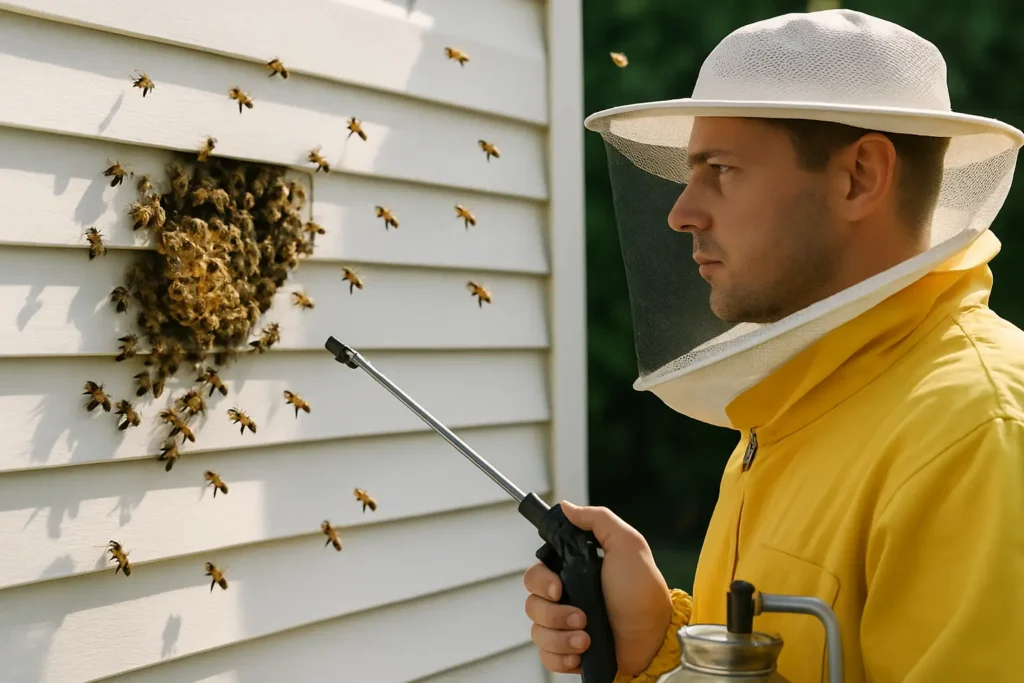
Imagine sitting in your backyard enjoying a sunny afternoon in Southern California when you suddenly notice a gathering cloud of bees. For many homeowners, this is more than a disruption; it’s an alarm signaling the urgent need for emergency bee removal. Southern California’s warm climate and diverse ecosystems make it a haven for bees. While these industrious insects play a crucial role in our environment as pollinators, their presence in human-populated areas can lead to safety worries and prompt the need for immediate intervention.
Why Bees Find Your Home Attractive
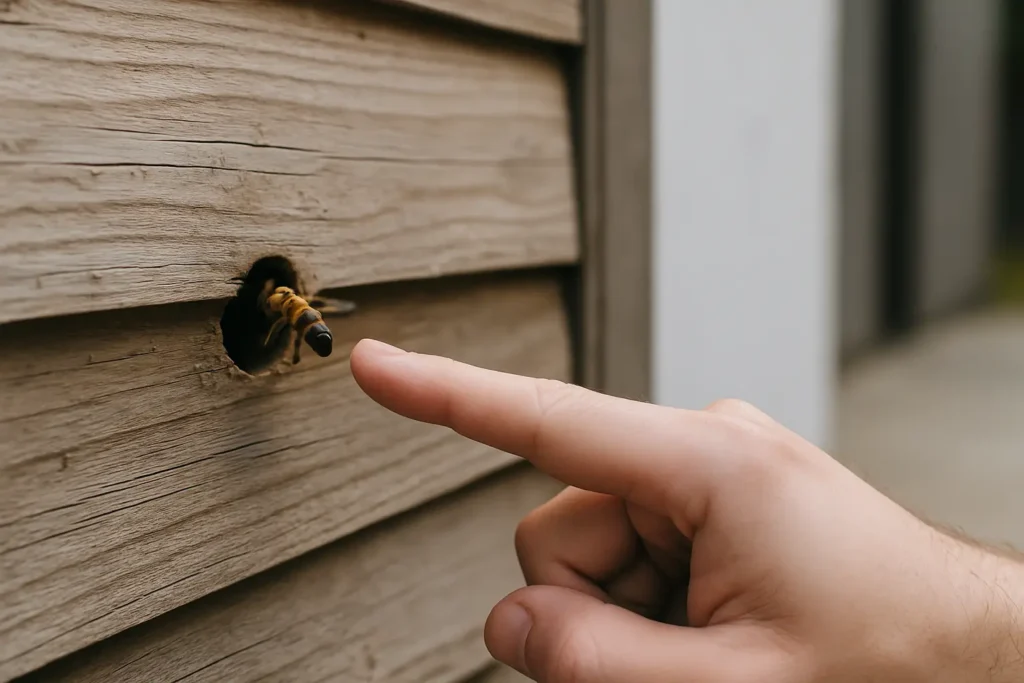
Understanding why bees choose certain locations can help mitigate future invasions. Bees are naturally inclined to seek safe, sheltered spots for constructing hives. Southern CA’s mild weather, abundant flowering plants, and undisturbed structures are perfect for beehives. Common places bees might choose include attic spaces, inside walls, and under eaves—areas where they’re less likely to be disturbed by human activity, allowing them to thrive unnoticed until their numbers swell.
The Urgent Need for Safe and Ethical Bee Removal
When bees make their homes too close to ours, the need for safe, humane removal becomes paramount. Not only can bees pose a threat to residents—especially those with allergies—but an improperly managed hive can cause structural damage to property due to the weight of the honeycomb and potential honey seepage. Southern California’s ecosystem makes non-lethal extraction and relocation vital, aligning with the region’s conservationist attitudes.
One standout in this field is Eli the Bee Guy, renowned for emphasizing ethical treatment and relocation of bees. His approach ensures not only the safety of the residents but also the sustainability of bee populations through relocation to vetted apiaries supporting natural behaviors.
Traditional Methods vs. Humane Solutions
Traditionally, bee removal methods often involved extermination using chemicals. However, this is not only harmful to bees, an integral part of our ecosystem, but can also pose health risks to humans and pets due to chemical residues.
Why Chemical Solutions Fail
Using chemicals might seem like a quick fix, but they do not address the root issue. Hives left behind can attract new bee swarms seeking a ready-made home. Moreover, chemical treatments can inadvertently harm other beneficial insects central to the local biodiversity.
Comprehensive and Humane Options
Services like those provided by Eli the Bee Guy emphasize non-lethal means. They employ live bee removal techniques that include:
- Assessment: Identifying hive locations and assessing bee health.
- Extraction: Safely removing bees without harm, using special tools and protective gear.
- Relocation: Transferring bees to an appropriate location, like a local apiary where they can continue to pollinate and sustain agricultural endeavors.
- Repair and Prevention: Fixing hive sites and sealing entry points to prevent new colonies from forming, offering a long-term solution.
The Process: How Humane Bee Removal Works
Step 1: Initial Assessment
The process begins with an on-site evaluation, where specialists inspect the property to locate the full extent of the infestation. This is crucial in determining the best course of action.
Step 2: Safe Removal
Using vacuums designed for the gentle removal of bees, professionals can extract hives whole. This technique ensures no bees are harmed while facilitating quick and efficient relocation.
Step 3: Hive Extraction
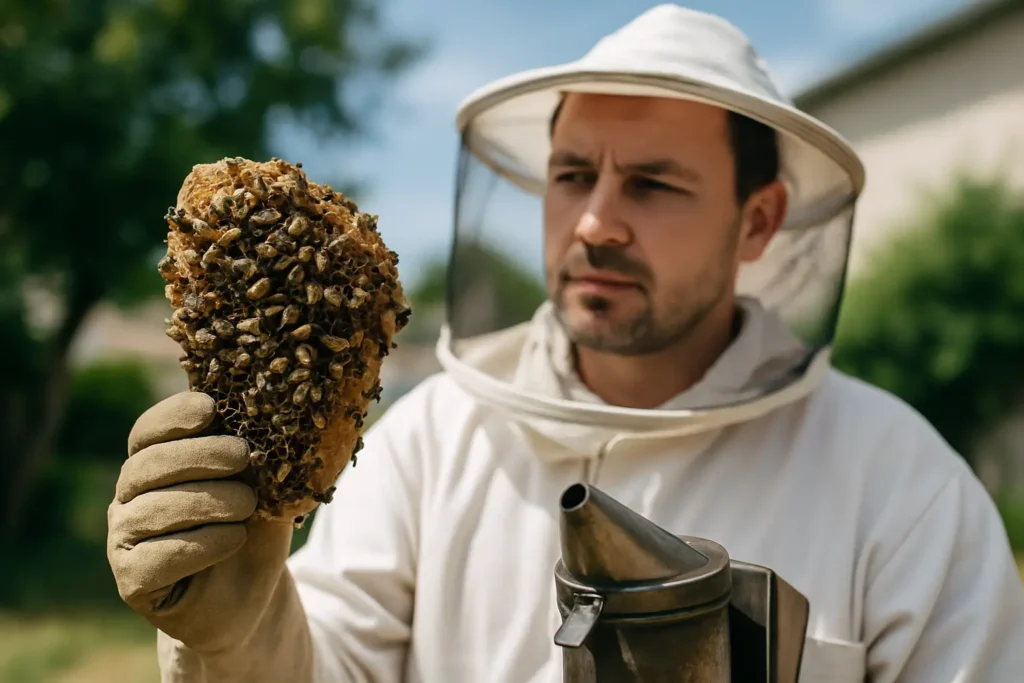
Hive extraction is complex, especially if bees have built their nests within walls or other structural elements. By meticulously removing honeycombs and cleaning residue, experts prevent structural damage and future disturbances.
Step 4: Relocate and Rehabilitate
Relocating bees to areas where they’re needed or can thrive ensures they’ll continue their vital work as pollinators. This is a crucial step not just for bee preservation but also for maintaining agricultural productivity.
Step 5: Prevention and Customer Education
After removal, experts often give guidance on how to make properties less attractive to bees in the future. This includes advice on landscaping and sealing potential entry points.
Challenges and Trade-offs
Every removal scenario carries unique challenges and potential trade-offs. Sometimes, bee activity will still be noticeable after the extraction, due to residual pheromones which can attract new swarms. It’s important to manage expectations: full eradication of bees from your environment may not align with ecological balance, which ensures plant pollination and biodiversity.
Knowing When to Call for Emergency Services
Identifying whether you need emergency bee removal hinges on a few factors:
- Allergies and Safety: If anyone on the premises is allergic to bee stings, rapid removal is essential.
- Bee Behavior: Aggressive or defensive bee behavior near high-traffic areas like doorways or play spaces can endanger residents.
- Building Structures: When bees build hives inside walls or attics, the structural integrity of your home may be at risk.
Reflections on the Ethical Imperative
The ethical dimension in bee removal cannot be overstated. Bees are crucial to biodiversity; about 75% of the world’s crops depend on their pollination. Therefore, humane removal isn’t just about relocating bees; it’s about preserving this essential part of our ecosystem for future generations.
What You Can Do: Preventive Steps
Although emergencies demand professional intervention, homeowners can undertake preventive actions to minimize bee infestations:
- Regular Inspections: Periodically check potential hive sites such as eaves, vents, and chimneys.
- Proper Maintenance: Regular maintenance like sealing cracks and holes in your home’s exterior can prevent hive building.
- Gardening Practices: Limit flowering plants near entryways or use bee-deterring plants like Eucalyptus and Mint.
The Future of Bee Management
As Southern California continues to grow, balancing human needs with ecological stewardship will remain a challenge in communities sharing space with insects. Looking ahead, innovation in bee management, such as technology-driven tracking and abatement strategies, may provide even more refined and context-driven solutions.
The rise of businesses embracing humane and sustainable practices, such as Eli the Bee Guy, offers hope for a future where humans and bees coexist harmoniously. Through comprehensive and humane bee removal approaches, we can address immediate safety concerns while contributing to the long-term preservation of our indispensable pollinators.
As you seek emergency bee removal in Southern California, remember the importance of choosing services that align with broader environmental values. Every hive safely extracted and relocated contributes to the cycle of life that supports us all.