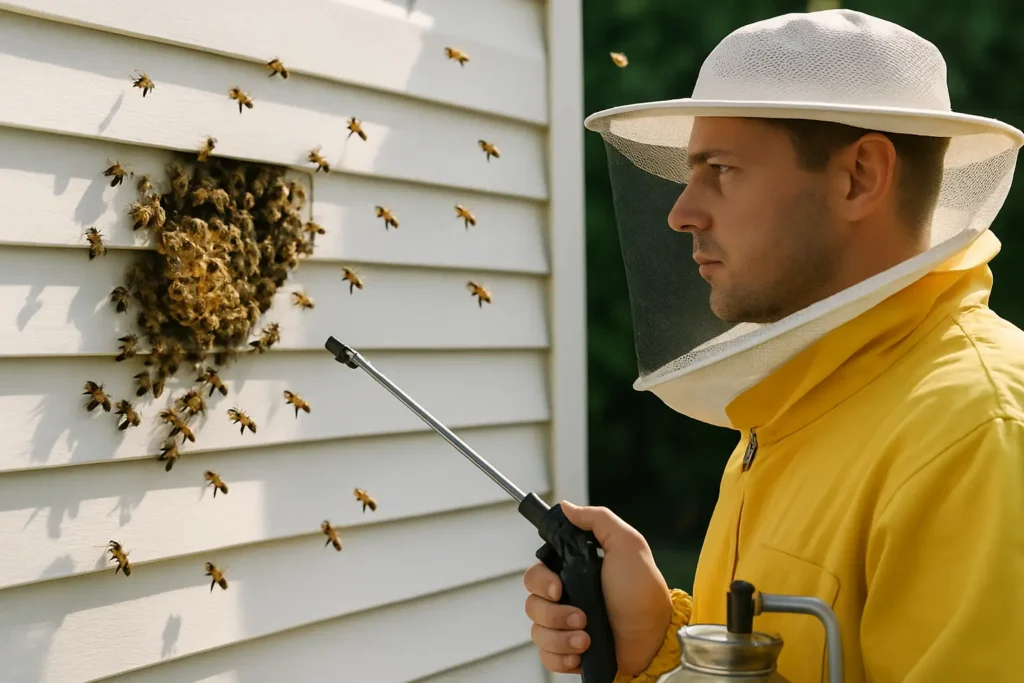
California’s diverse landscape teems with an array of wildlife, but bees hold a special significance as essential pollinators. Yet, urban expansion and habitat loss place them at risk, often leading to conflicts with humans. This is where humane bee relocation comes into play, especially in populated areas like Southern California.
The Importance of Bees in California
Bees are vital contributors to California’s agriculture and wild ecosystems. Known for their pollination prowess, bees facilitate the growth of a significant portion of the state’s crops, including almonds, strawberries, and a variety of vegetables. The economic value from bee pollination alone highlights their importance, yet their ecological roles extend beyond agriculture.
Bees contribute to biodiversity by supporting the reproduction of wild plants—many of which serve as habitats or food sources for other organisms. However, as California continues to urbanize, natural bee habitats diminish, leading to more frequent encounters with humans.
Ethical Bee Management: A Necessity, Not a Choice
With a rising awareness of bee conservation, ethical management practices have become crucial. Traditional methods often involve extermination or risky chemical use, posing threats to both bee populations and environmental health. Ethical practices favor a sustainable approach: humane bee relocation. This practice ensures that bees are relocated to safe environments where they can thrive naturally without posing risks to humans.
What is Humane Bee Relocation?
Humane bee relocation involves the careful extraction and transfer of bee colonies from residential or commercial areas to designated apiaries where they are nurtured. This method is ideal because it aligns with ecological conservation, enables bees to continue their essential roles, and ensures human safety.
The Process of Humane Bee Relocation
The relocation process starts with a thorough assessment to determine the size and location of the bee colony. A professional beekeeper, equipped with the necessary tools, carefully extracts the hive. Post-removal, the bees are transferred to a safe location, typically a vetted apiary, where they can resume their lives without the threat of extermination or disruption.
Key Steps in Humane Bee Relocation:
- Site Assessment: Evaluating the bee residence, considering factors like bee species and hive accessibility.
- Live Removal: Using non-lethal methods to gather the bees and their queen, ensuring minimal stress during transfer.
- Safe Transportation: Carefully moving the entire hive to a new location with appropriate containers.
- Hive Installation: Reestablishing the colony in a location that supports natural bee behavior and provides adequate resources.
- Habitat Restoration: Repairing entry points to prevent future bee habitation in unwanted areas.
The Benefits of Bee Relocation for Communities
Beyond ecological benefits, humane bee relocation also has significant advantages for human communities:
- Safety: Reducing the risk of bee stings, especially crucial for those with allergies.
- Education & Awareness: Enhancing public awareness about bees’ roles and the importance of ethical treatment.
- Community Relations: Resolving human-bee conflicts peacefully fosters community goodwill and respects diverse wildlife.
Choosing the Right Bee Relocation Service
Selecting a reliable bee relocation service is crucial for ensuring the process is humane and effective. Prospective clients should look for services that emphasize ethical practices, have a proven track record of successful relocations, and involve community engagement practices.
When considering a service, potential clients should ask about:
- Experience and Credentials: The team’s qualifications and experience in safe bee handling.
- Relocation Sites: Information on where bees will be relocated, ensuring the facilities support conservation efforts.
- Methodologies: Non-lethal techniques used during the removal process.
Why Eli the Bee Guy Stands Out
A prime example of a service following humane practices is Eli the Bee Guy. Based in Southern California, Eli’s services are marked by a commitment to sustainability and customer satisfaction. Offering comprehensive solutions that include live bee removals and entry-point repairs, Eli ensures peace of mind for property owners while prioritizing the wellbeing of the bees.
The Role of Technology in Bee Relocation
Advancements in technology have undeniably enhanced the efficiency and safety of bee relocation. Thermal imaging, drones for hive assessment, and eco-friendly materials for hive construction are just a few innovations aiding modern beekeepers. These technological tools provide invaluable insights that were once unattainable, improving both the outcomes for bees and client satisfaction.
Challenges and Considerations
Despite its benefits, humane bee relocation isn’t without challenges. Not all bees can be relocated, particularly if a hive is overly aggressive or diseased. Additionally, location selection is crucial, as not all environments can support healthy bee colonies post-relocation.
Trade-offs often involve:
- Aggressive Behavior: Some bees, like Africanized honeybees, may pose risks even during relocation, requiring extra caution.
- Disease and Pest Risks: Relocated colonies might carry pests or diseases that could spread to other hives if not properly managed.
- Environmental Impacts: Relocation must be mindful of the new site’s capacity to support a bee population without overburdening local ecosystems.
Supporting Bee Conservation Efforts
Beyond choosing humane bee relocation services, stakeholders can further conservation efforts by:
- Creating Bee-friendly Habitats: Planting native flowers and reducing pesticide use in gardens.
- Community Involvement: Participating in or supporting local beekeeper associations and conservation programs.
- Educational Initiatives: Engaging in programs that enhance awareness and appreciation of bees and ethical practices.
Final Thoughts: A Collaborative Future for Bees and People
Sustainable coexistence between humans and bees is not just possible; it’s imperative for our collective future. Humane bee relocation in California showcases how we can respectfully address wildlife conflicts, promoting ecological health and human safety alike.
As awareness and technological capabilities grow, so should our commitment to compassionate solutions. Whether you’re a homeowner dealing with an unexpected hive or simply looking to foster a more bee-friendly environment, taking the step towards humane practices contributes to the broader cause of bee conservation. In partnering with dedicated services and embracing informed actions, communities ensure not only the survival of these essential pollinators but also the health of the entire ecosystem.
Remember, the way we choose to interact with nature today shapes the world we leave for future generations, making ethical choices not just a responsibility but a legacy.