A bee problem in Los Angeles rarely starts with a dramatic swarm. More often it is a low hum in a wall, a steady stream of bees around a roofline, or one curious scout that turns into a traffic pattern you cannot ignore. When you are reading reviews, you are usually doing it fast – because someone in the house is nervous, someone might be allergic, and you want peace and home restored without making the problem worse.
What makes this tricky is that “bee removal” can mean very different things. Some companies are talking about killing bees with chemicals. Others are talking about vacuuming up a swarm from a tree. And some are equipped to do the hard work – full hive extraction, cleanup, and repairs – so the bees do not come right back. That is why bee removal service reviews Los Angeles residents rely on should be read like a checklist for outcomes, not just a star rating.
How to read bee removal service reviews Los Angeles homeowners post
A helpful review usually answers three questions: Did the bees stop being a problem, were people treated fairly, and was the solution humane and safe? The wording matters.
If you see multiple reviews that say “bees are gone and they did repairs” or “no activity weeks later,” you are looking at evidence of a complete job. When reviews only say “they showed up quickly,” that may still be good, but speed alone does not tell you if the hive was actually removed from a wall cavity or if the entry points were sealed.
Also pay attention to how reviewers describe communication. Bee situations are stressful. Good operators explain what is happening, what will be opened, what will be repaired, and what risks exist if the hive is left behind. Clear communication in reviews often correlates with careful work.
The difference between a swarm review and a hive review
Los Angeles gets both swarms and established colonies, and the service needed is not the same.
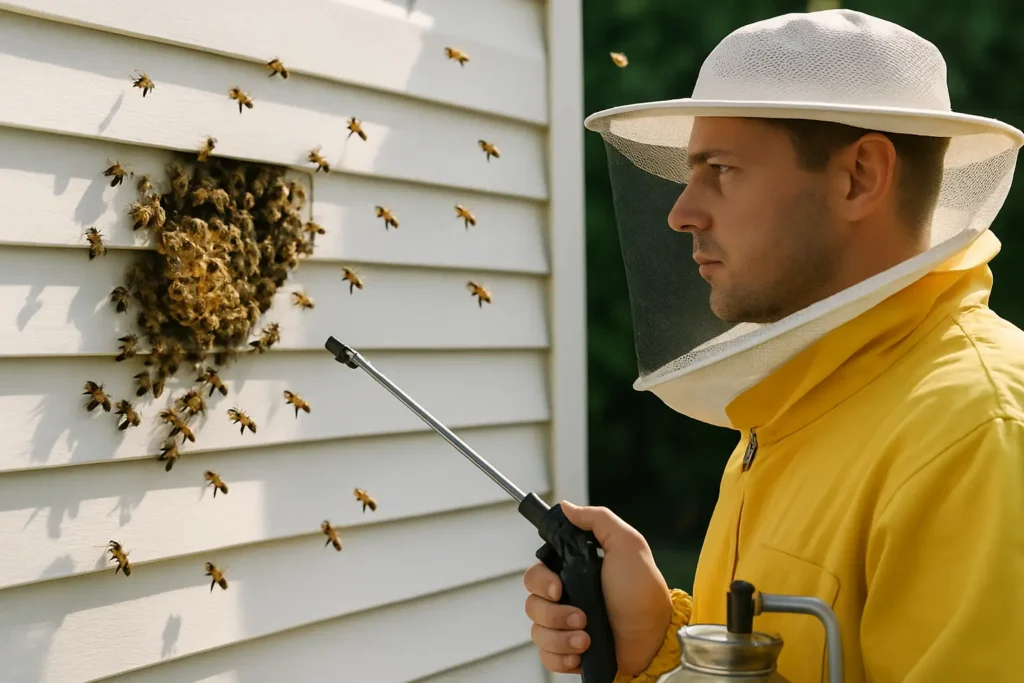
A swarm is a temporary cluster of bees, often on a branch or fence, while they look for a new home. A swarm can sometimes be collected quickly, with minimal disturbance to the property. Reviews for swarm calls often mention same-day service, calm handling, and bees being relocated.
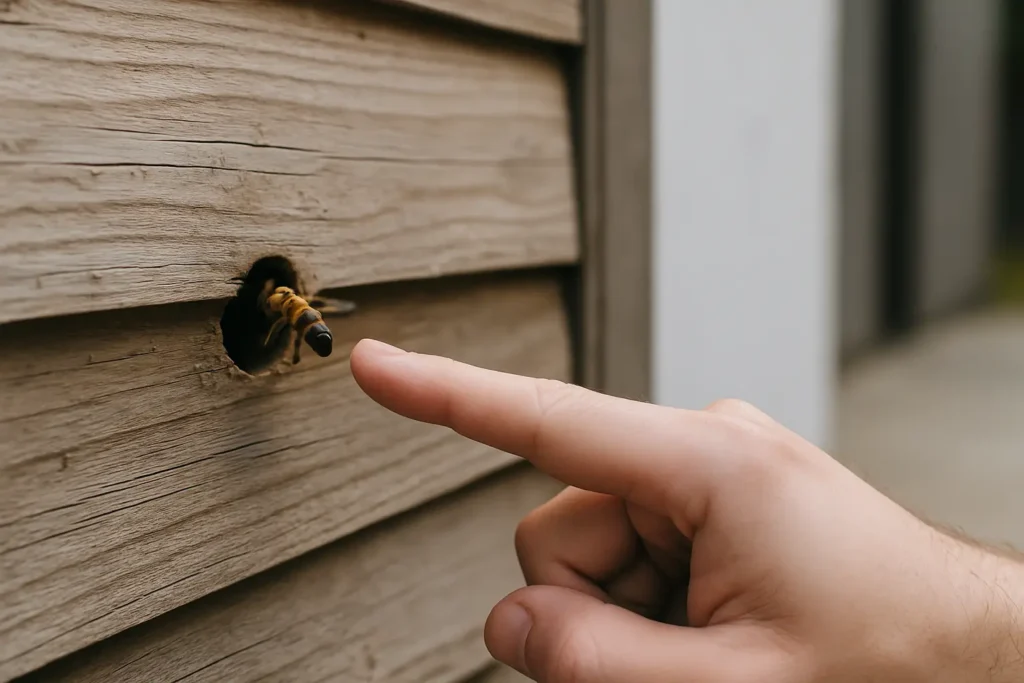
A hive in a structure is a different category. If bees have moved into a wall, attic, chimney void, or roofline, there is comb, brood, honey stores, and scent that can attract new bees later. Reviews that mention cutting into drywall or opening soffits are not “worse” – they often indicate the company is willing to access the hive rather than treat it from the outside.
When reading, compare the reviewer’s situation to yours. If your bees are entering through a tiny gap and disappearing into a wall, a glowing review about a simple swarm pickup does not necessarily predict the quality of a structural hive removal.
What the best reviews usually include
Strong, trustworthy reviews tend to be specific without being dramatic. They mention what was found, what was done, and what changed afterward.
You will often see details like where the hive was located, how the crew protected the area, how long the work took, and whether repairs were included or coordinated. The best reviews also mention follow-through. For example, “they came back to check activity,” or “they sealed the entry points and explained what to watch for.”
Humane practices show up in the language too. Reviewers might say “live removal,” “bees were rescued,” “relocated to an apiary,” or “no pesticides.” If ethical treatment matters to you, look for that vocabulary repeated across multiple reviews, not as a one-off marketing phrase.
Red flags in Los Angeles bee removal reviews
A bad review is not always a dealbreaker – any service business can have an off day. Patterns are what matter.
If you see repeated complaints that bees returned within days or weeks, that often points to incomplete removal, skipped sealing, or leaving comb behind inside the structure. If reviews mention “sprayed” or “powder treatment” as the main method, understand the trade-off: killing bees may reduce visible activity quickly, but it can create lingering odor, attract pests, and leave honey and comb to melt or seep. In warm weather, that can become a serious mess.
Pricing complaints need nuance. Structural hive removals are labor-intensive, and cost can depend on height, access, materials, and how much repair is required afterward. A review that says “too expensive” without context is not as helpful as one that says “they changed the price after arriving” or “hidden charges.” Look for transparency signals: written estimates, clear scope, and explanations.
Finally, be cautious with reviews that sound too vague or overly promotional. The most useful ones read like a neighbor telling you what happened on their property.
Why “humane” in reviews is more than a feel-good word
In Southern California, we need bees. Ethical relocation supports pollination and healthier local ecosystems. But humane removal is also practical.
When bees are removed alive with the comb properly addressed, there is less risk of leaving behind a rotting, sticky cavity that attracts ants, roaches, rodents, and new bee colonies. Humane work tends to go hand-in-hand with thorough work because you cannot relocate a colony properly if you are cutting corners.
That said, “humane” does not mean “no disruption.” A real hive extraction may involve opening a section of wall or roofline. Reviews that mention careful cuts, clean work areas, and respectful repairs are often the ones that reflect a sustainable, permanent solution.
What to look for when reviews mention repairs and prevention
The long-term win is not only removing bees – it is preventing re-occupation. In Los Angeles neighborhoods, repeated entry points are common: gaps at fascia boards, roof returns, stucco cracks, and unsealed utility penetrations.
When you see reviews that mention “entry-point repairs,” “sealed gaps,” “patched stucco,” or “replaced damaged wood,” that is a signal the company understands bee behavior. Bees follow scent trails and previous cavities. If the opening remains, another swarm can move in during the next warm stretch.
If a reviewer says “they removed the hive but told us to hire someone else to seal everything,” that is not automatically bad, but it means you may need to coordinate follow-up quickly. The best experiences often happen when removal and prevention are treated as one plan.
Response time: what reviews should really tell you
Fast response matters when there is a safety risk, especially for properties with children, high foot traffic, or known allergies. But response time should not be confused with rushing.
The reviews you want say something like “they came quickly and did not cut corners,” or “they explained the safest time of day to work and scheduled accordingly.” Bees are living creatures with daily rhythms, and safe removal depends on temperature, location, and colony size.
If your situation is a true emergency – aggressive bees near a doorway, stings occurring, or a hive in a high-traffic commercial area – prioritize reviewers who mention calm, safety-focused handling and clear instructions for what to do before the team arrives.
Star ratings vs. story quality
A 4.9 average can look reassuring, but it is the story inside the reviews that helps you choose well.
Look for consistency: multiple people describing similar strengths like respectful service, humane relocation, thorough cleanup, and lasting results. One glowing review with no details is less useful than several solid reviews that describe what was done and how the property looked afterward.
Also consider how the company responds when something goes wrong. If reviews mention a return visit to address lingering activity, that can actually be a positive sign. Bees can occasionally regroup or scouts can linger briefly after a removal. A responsible provider explains what is normal, what is not, and returns when needed.
A practical way to use reviews before you call
Before you contact anyone, read reviews with your specific scenario in mind. If your bees are in a wall, search within reviews for words like “wall,” “attic,” “roof,” “soffit,” “chimney,” “cutout,” and “repair.” If it is a swarm, look for “swarm,” “cluster,” and “tree.”
Then call and ask one direct question based on what you learned: “Do you do live hive extractions with comb removal and entry-point repairs?” A company that matches the best reviews will answer clearly and explain the process without pressuring you.
If you want an example of a service built around live removals, full extractions, relocations to vetted apiaries, and entry-point repairs, you can read more about Eli the Bee Guy at https://elithebeeguy.com/.
The “it depends” situations reviews can help you spot
Some bee problems are straightforward. Others depend on building type, access, and how long the colony has been there.
If you live in an older home with layered rooflines, or you manage a commercial property with signage, vents, and multiple elevations, removals can be more complex. Reviews that mention lifts, ladders, or hard-to-reach locations help set expectations.
It also depends on whether you are dealing with honey bees or something else. People often call everything “bees,” but wasps and yellowjackets require different handling. If reviews mention the provider correctly identifying the insect and explaining options, that is a good sign you will get the right solution instead of a one-size-fits-all approach.
The best outcome is not just fewer bees today. It is a property that is safer tomorrow, with the cavity addressed, the entry sealed, and the bees relocated rather than wasted.
If you are scanning reviews late at night because you heard that hum again, take a breath and look for the reviewers who sound like they got their calm back. When the right professional does the job thoroughly and ethically, you are not just removing a hive – you are restoring normal life, and giving the bees a chance to keep doing what nature designed them to do.