California, with its stunning landscapes and diverse ecosystems, serves as a home to numerous bee species crucial to the state’s agriculture and natural beauty. Among the many challenges facing bees today—habitat loss, pesticide exposure, and climate change—the need for effective bee conservation services becomes ever more pressing. In this context, let’s explore why bee conservation is pivotal, particularly through humane services that balance ecological health and human safety.
The Critical Role of Bees
Bees, small though they may be, play a colossal role in maintaining ecological balance and supporting agricultural productivity. California, with its vast acreages dedicated to crops such as almonds, avocados, and citrus fruits, heavily relies on bee pollination. Here’s why bees are indispensable:
- Pollination Powerhouse: Bees are responsible for pollinating approximately one-third of the crops we consume, ensuring both the quantity and quality of fruits, vegetables, and nuts.
- Biodiversity Boosters: In addition to agricultural crops, bees pollinate many wild plants, contributing to the biodiversity that underpins healthy ecosystems.
- Economic Impact: The pollination services provided by bees significantly contribute to California’s economy, supporting thousands of jobs and generating billions in revenue.
However, these critical insects face threats that make bee conservation not just a concern for ecologists but also for anyone who cares about food security and environmental health.
Threats to Bee Populations
Globally, bee populations are in decline for several reasons, each compounding the others to create a perilous situation for these crucial pollinators:
- Habitat Loss: Urban development, agricultural expansion, and deforestation reduce the natural habitats available for bees, affecting their nesting sites and food sources.
- Pesticide Use: Exposure to certain pesticides, especially neonicotinoids, is harmful to bees and can disrupt their breeding, navigation, and foraging activities.
- Climate Change: Shifts in weather patterns alter blooming cycles and the availability of food, forcing bees to adapt rapidly—a task easier said than done.
- Diseases and Parasites: The introduction of diseases and parasites like the Varroa mite has taken a substantial toll on bee populations, weakening hives and sometimes leading to collapse.
Bee Conservation Services: A Solution
Faced with these challenges, bee conservation services offer a glimmer of hope. These services, like those offered by Eli the Bee Guy, present humane and sustainable strategies to not only manage bee populations but also alleviate human-bee conflicts. But what makes an effective bee conservation service?
Humane Bee Removal
Unlike traditional pest control, which often employs chemicals harmful to bees and the environment, humane bee removal focuses on:
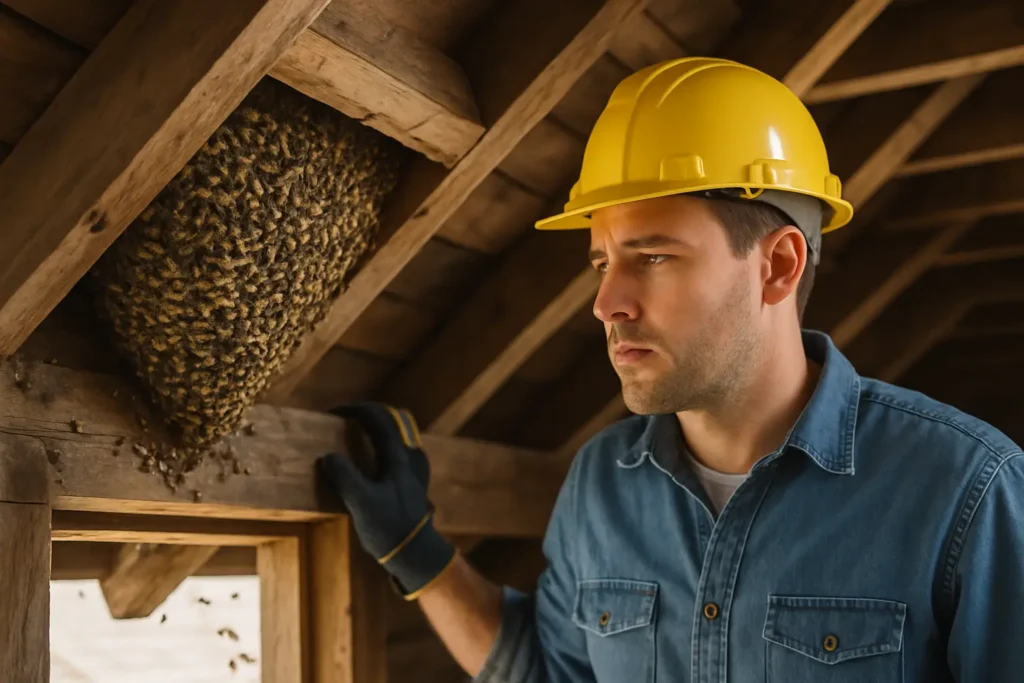
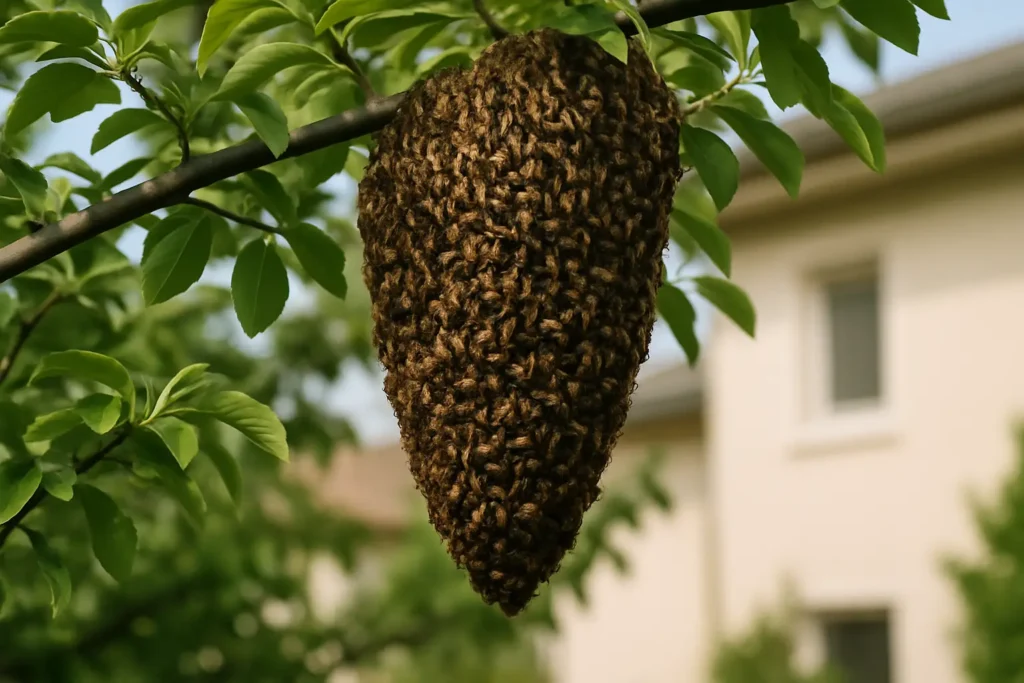
- Live Bee Removals: Involves safely capturing bees without harm and relocating them far from populated areas.
- Hive Extractions: Specialized techniques to remove hives thoroughly, ensuring that bees do not return to the same spot.
- Entry-point Repairs: Identifying and sealing potential entry points to prevent future infestations while securing the safety of human occupants.
Why Choose Humane Solutions?
- Eco-friendly: Eliminating the use of harmful chemicals protects not only bees but also other wildlife and preserves ecosystem integrity.
- Long-term Peace of Mind: Effective management prevents repeat infestations, offering a permanent solution rather than a temporary fix.
- Ethical Considerations: These methods align with moral values concerning animal welfare, respecting the intrinsic value of all living creatures.
Relocation to Vetted Apiaries
Once bees are safely removed, their journey doesn’t end. In fact, relocation to vetted apiaries where they can thrive supports their natural behaviors and ensures they remain productive members of the bee community. These apiaries provide:
- Safe Environments: They are free from pesticides and abundant with diverse foraging options.
- Skilled Beekeeping: Managed by experienced beekeepers who understand the nuances of bee care and promote natural bee activities.
Challenges in Bee Conservation
Providing effective bee conservation services isn’t without its challenges. However, understanding these hurdles allows us to better appreciate the efforts of organizations and individuals committed to bee protection:
- Balancing Act: Modifying gardening and farming practices to support bees while ensuring human safety requires careful planning and negotiation.
- Public Perception: Bees are often mischaracterized as aggressive pests, leading to misinformed decisions regarding their treatment.
- Costs and Access: High costs can deter people from opting for humane solutions, necessitating affordable and accessible services to broaden conservation reach.
The Role of Individuals and Communities
While businesses like Eli the Bee Guy play a significant role, individual and community actions are equally vital in fostering bee-friendly environments:
Bee-friendly Gardening
- Plant Diversity: Offering a range of native plants that bloom at different times throughout the year supports bee foraging.
- Reduce Pesticides: Limiting pesticide use or opting for organic solutions lessens harm to bees. Gardeners can also schedule any necessary treatment for times when bees are least active.
- Create Safe Havens: Installing bee hotels and leaving some areas slightly wild provide habitat options for bees.
Community Involvement
Communities can amplify conservation efforts by:
- Hosting Educational Events: Hosting workshops and seminars to raise awareness about bee conservation and responsible management.
- Supporting Local Apiaries: Purchasing honey and bee products from local beekeepers to endorse sustainable practices.
- Implementing Policies: Encouraging local governments to adopt bee-friendly policies, such as pesticide bans and incentives for sustainable farming.
Businesses and Bee Conservation
Companies in California, particularly those in agriculture and landscaping, have an influential role in bee conservation. By incorporating bee-friendly practices, they can lead efforts to promote sustainable environments:
Agricultural Practices
Farmers can contribute by:
- Crop Diversity: Rotating crops and incorporating flowering cover crops that attract bees and improve soil health.
- Habitat Creation: Leaving buffer zones around fields with wildflowers and other plants that support pollinators.
- Integrated Pest Management (IPM): Using pest control methods that minimize chemical use and focus on natural alternatives.
Landscaping Innovations
Landscaping companies can impact bee conservation by:
- Designing Pollinator-friendly Gardens: Creating landscapes that incorporate a variety of flowering plants and native species.
- Education and Advocacy: Informing clients about the value of bee-friendly practices and advocating for pollution-free, sustainable spaces.
The Way Forward
As a cornerstone of California’s ecology and economy, bees deserve dedicated conservation efforts. Investing in humane bee conservation services, promoting bee-friendly practices, and aligning actions with ecological sustainability are vital steps forward. Eli the Bee Guy, with his commitment to ethical treatment and precise management, exemplifies what conscientious bee conservation should encompass. By choosing to support similar initiatives, we join a broader movement towards a balanced coexistence, ensuring that these remarkable pollinators continue to thrive, benefiting both nature and human society for generations to come.
In a world increasingly aware of environmental limits, fostering a harmonious relationship with our buzzing neighbors is not just an ecological necessity but a moral imperative. Every bee saved contributes to a healthier world—one that promises flourishing fields, vibrant gardens, and sustained biodiversity. As individuals, communities, and businesses unite in conservation efforts, the small steps taken today set the stage for lasting ecological harmony.