A bee swarm can look like a storm rolling in, a loud swirling cloud that suddenly settles on a tree branch, a fence post or the side of a shed. If it lands on your property, your first job is easy: keep things calm and boring for the bees, and keep your household safe.
Most swarms aren’t looking for a fight. They’re usually honey bees in between homes, hanging together for a while as scouts look for a permanent spot. That’s good news, because it usually gives you some time to protect people and pets, avoid hurting the bees, and get the swarm handled the right way.
How to handle a bee swarm outside without getting stung
Start by giving the swarm room. A good rule is at least 50 feet, and more if anyone at home is nervous, allergic, or the type to run over and look. Close the doors and windows nearby and keep people from walking through that area. If the cluster is near a walkway, block the path with a trash can, a chair or something temporary so nobody wanders into the flight path.
Then do the quiet stuff that actually prevents stings. Bring the kids in, bring the pets in, and stop the yard work. The noise and vibration from mowers, leaf blowers, string trimmers and even loud music can irritate bees and get them defensive. If you’ve got sprinklers set to come on near the swarm, shut them off. Water hitting the cluster can stir them up too.
If a few bees are bumping into you, don’t swat. Slow down, pull your shirt over your face if you need to, and walk away steadily. Swatting looks like an attack to them and makes a sting more likely.
What a swarm is (and what it isn’t)
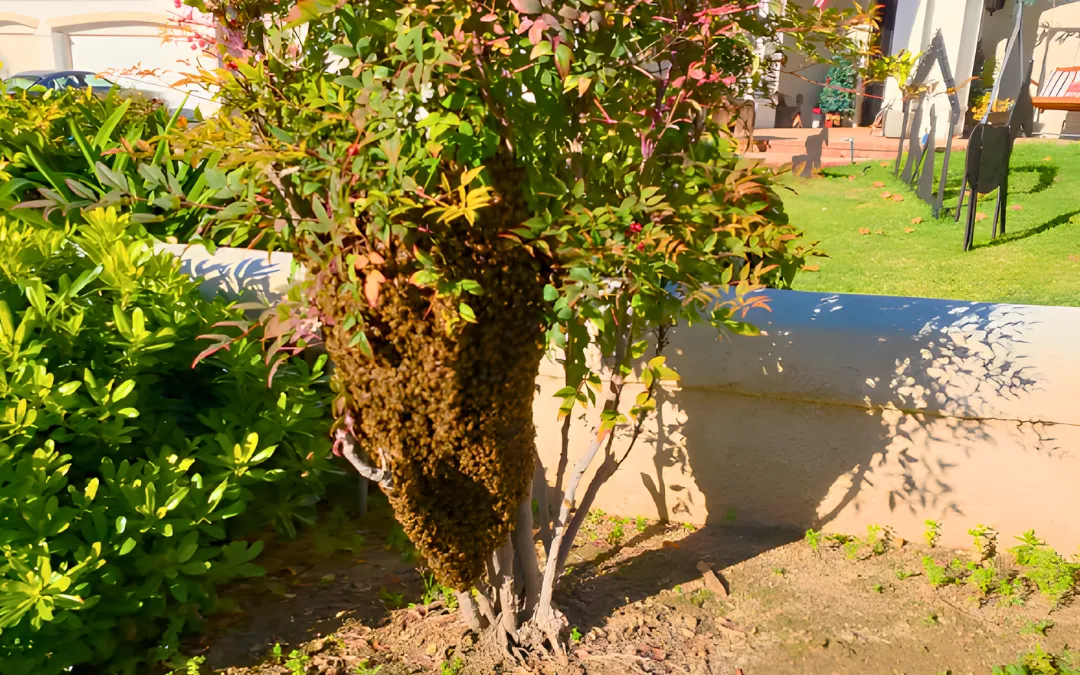
A swarm is usually a temporary cluster of honey bees that left an existing hive along with a queen. They gather at a rest stop while the scouts look for a cavity like a hollow tree, a wall void or an attic.
An established hive looks different. A swarm is usually a tight ball of bees somewhere between grapefruit and basketball size (sometimes bigger) hanging on a branch or stuck to a surface. With an established hive, you’ll usually see steady traffic into one crack or hole, often in a wall, eave or roofline.
That difference changes how fast you need to act and what you do. Swarms may move on within hours or a couple of days, but they can also decide your building is perfect and move in. Once bees get into a structure, the removal gets more involved and the repairs start to matter for keeping them out long term.
The first 15 minutes: safety steps that actually work
If you’re standing there thinking, "Okay, what do I do right now," here’s what helps.
Get everyone inside and make sure you know where the kids, visitors and pets are. If you manage a commercial property, tell the staff and steer customers away from the area. Get people away from the bees first, then worry about the rest.
If someone in the house has a known severe allergy, find the epinephrine auto-injector and keep it close. You’re not panicking, you’re just being ready. If the swarm is by the driveway, think about moving the cars so nobody has to walk near it later.
Last, take a quick photo from a safe distance. It helps a professional tell whether they look like honey bees, where the cluster is sitting, and whether it’s a swarm or bees going into a structure. You can text that photo to me at (626) 487-6052, and if it’s a swarm, my bee swarm removal is $250.
What not to do (even if the internet says to)
When you’re stressed, it’s tempting to try a shortcut. Most shortcuts cause two problems: more stings today and a bigger bee problem tomorrow.
Don’t spray anything, especially foam sprays, "wasp and hornet" chemicals, brake cleaner or soapy water. Besides being cruel, those usually don’t fix the real problem, and they can drive the bees into wall voids or deeper cracks, which makes a professional removal harder.
Don’t knock the swarm down with a broom or a hose. A falling cluster breaks apart and turns a calm group into a messy, defensive cloud. Same with throwing rocks or hitting it with a leaf blower. It can also split the bees from their queen, which drags the whole thing out.
And please don’t try the "bucket and sheet" method unless you’re trained. Beekeepers do collect swarms, but doing it safely takes protective gear, experience, and a plan for getting the bees into a proper hive.
"Should I wait it out?" It depends
If the swarm is high up in a tree and far from people, waiting can make sense. A lot of swarms move on in 24 to 72 hours.
Waiting has a risk, though. The longer they stay, the better the odds they find a cavity on your property and move in. In Southern California that can be eaves, attic vents, irrigation boxes, palm trees or gaps behind siding.
If the swarm is low to the ground, close to a door, near a playground, or anywhere people have to walk by, it’s usually better to get a humane removal scheduled sooner. You want your yard back to normal without pushing the bees somewhere worse.
If bees are going into a wall or roofline, treat it as urgent
A cluster you can see outside is one thing. A steady stream of bees going in and out of a crack is another.
If you see bees beelining into one hole, especially with several showing up every minute, you may already have an established colony. Waiting can backfire fast here, because comb and honey can build up inside the wall. Over time that can mean stains, smells, pests, and bees coming back again and again if the entry point isn’t patched.
When that’s what you see, keep people away from the entry, don’t seal the hole yourself (trapping bees inside causes more problems), and call a humane removal specialist who can confirm what’s going on and take the colony out properly.
How to handle a bee swarm outside when you have kids or pets
Kids and pets add one problem, which is speed. A curious kid can cover 50 feet in a few seconds. A dog can be on the swarm before you get its name out.
Bring everybody inside and be clear about the rules. Tell the kids the bees are "traveling" and need their space, and don’t budge on it. Keep dogs inside or on a leash well away from the area.
If your pet already got stung, watch for swelling around the face, trouble breathing, heavy drooling or weakness. Any of those means call a vet right away. For people, hives away from the sting, swelling of the lips or throat, vomiting, dizziness or trouble breathing need emergency care.
What a humane, professional removal looks like
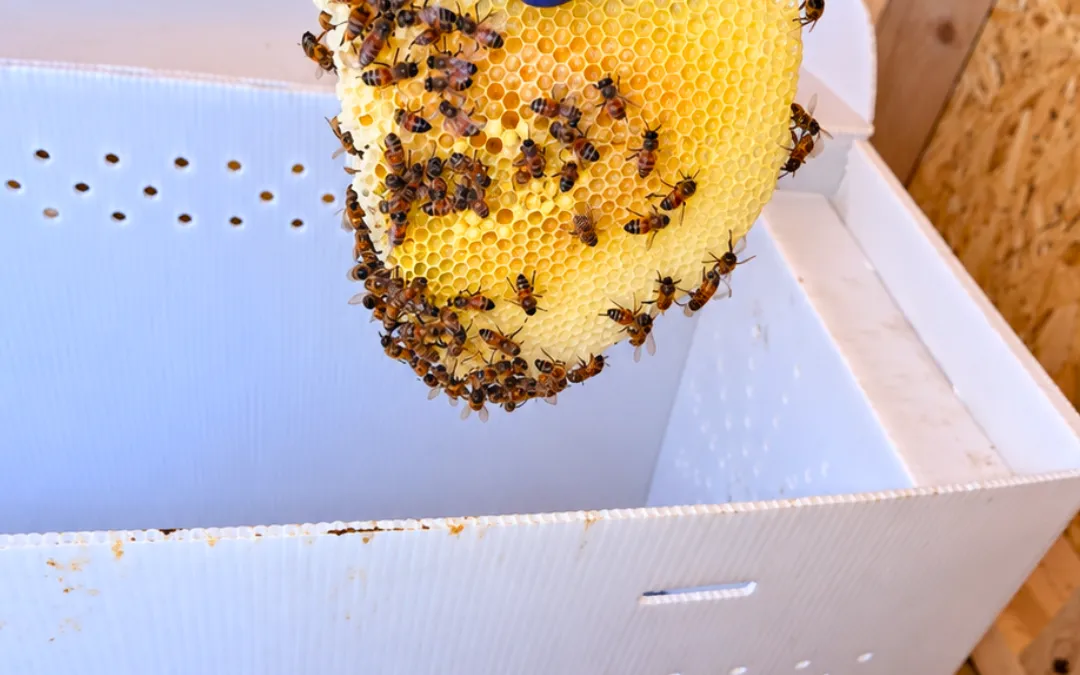
People ask me what "safe and humane" actually means. For a swarm, it usually means collecting the bees without poisoning them and moving them to a managed apiary where they can keep living like bees.
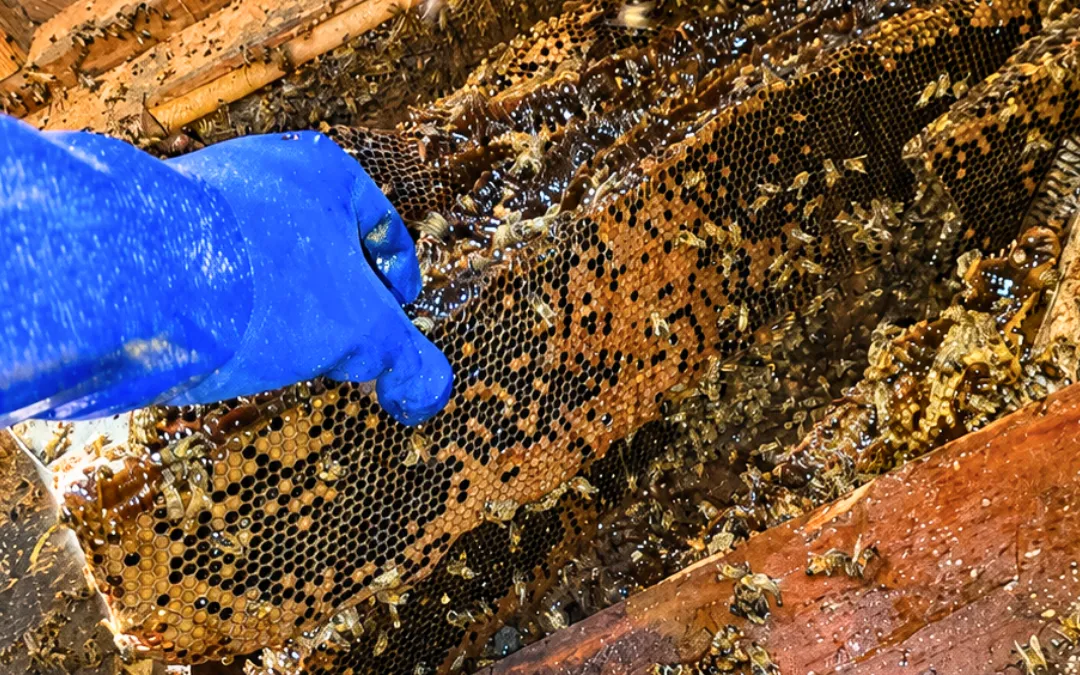
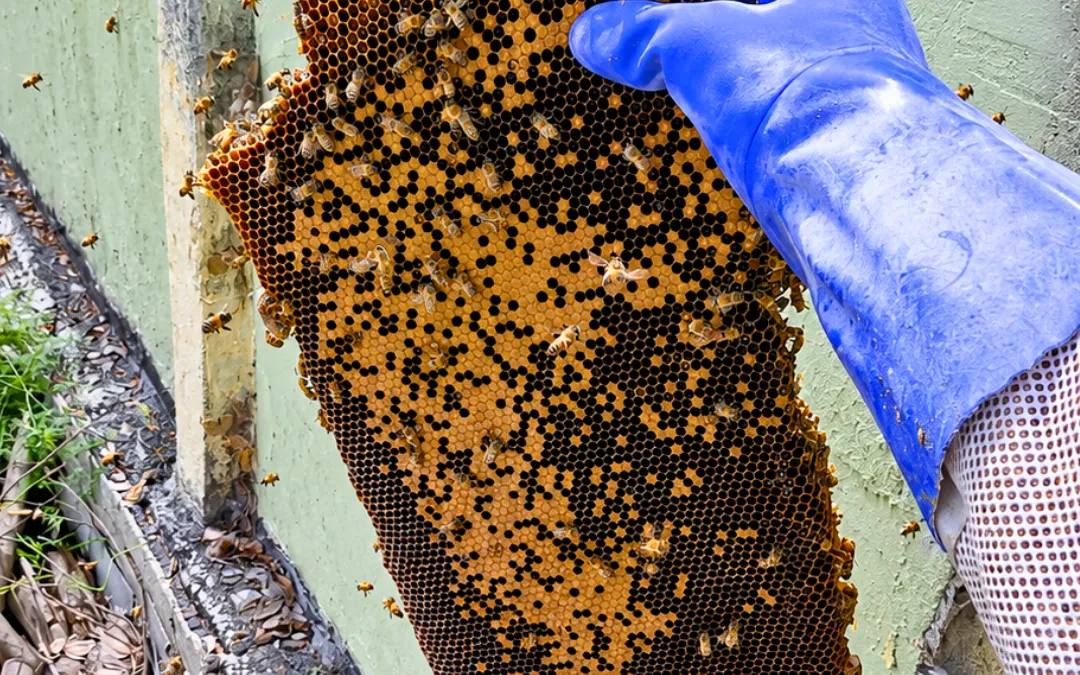
For a colony in a structure, it means a proper live removal, with a full extraction when it’s needed, instead of a quick spray and leave. A complete job means taking out the comb, cleaning up the cavity so it doesn’t draw new bees, and patching or sealing the entry points they used to get in.
That last step is what keeps you from calling again a few months later. Bees are very good at finding the same inviting gaps, especially when the smell of old comb is still there.
If you’re in Los Angeles, Orange, Riverside or San Bernardino County and need bees rescued and relocated, I do humane removal and seal up entry points at Eli the Bee Guy, and I’m local: https://elithebeeguy.com/.
How to talk to a bee removal pro so you get the right help
When you call, a few details make it easier to judge how urgent it is and show up ready.
Say whether it’s a cluster (a swarm) or bees going into a hole, how high off the ground they are, and how long you’ve been seeing them. Mention it if the swarm is on something that moves, like a trash bin, patio furniture or a car, because moving that thing can sometimes lower the risk while you wait.
Also say whether anyone there has a severe allergy, and whether it’s at a school, apartment complex, restaurant patio or somewhere else busy. That helps with planning around safety.
Keeping the next swarm from picking your property
You can’t stop swarms from flying through the neighborhood. That’s just what bees do. You can make your building less appealing, though.
Keep it practical: cut down on easy cavities and close off entry points. Small gaps along the roofline, loose vents, unsealed spots where utilities come through, and damaged fascia boards are all open invitations. If you’ve had bees before, this matters even more, because the leftover smell can draw them like a beacon.
Keep an eye on outdoor clutter that makes sheltered hollow spaces, too. Stacked lumber, old irrigation boxes and hollow yard decorations can all turn into temporary gathering spots.
A swarm in the yard can feel like an emergency, but calm decisions get you the best results. Give the bees space, look after your people, and go with a humane option that takes care of your property and the bees, so you’re not setting yourself up for another problem down the road.
Like these guides? Add Eli the Bee Guy as a preferred source on Google to see more of them in your search results.