Los Angeles has plenty of wildlife, but not much gets people as curious and nervous at the same time as a bee swarm showing up out of nowhere. If you own a home or manage a property, knowing how to handle a swarm is what keeps it a calm job instead of a panic, with the people and the bees both coming out okay. Here's how I think about safe, humane bee swarm removal in Los Angeles, a city where I get more of these calls all the time.
What a bee swarm is and why it happens
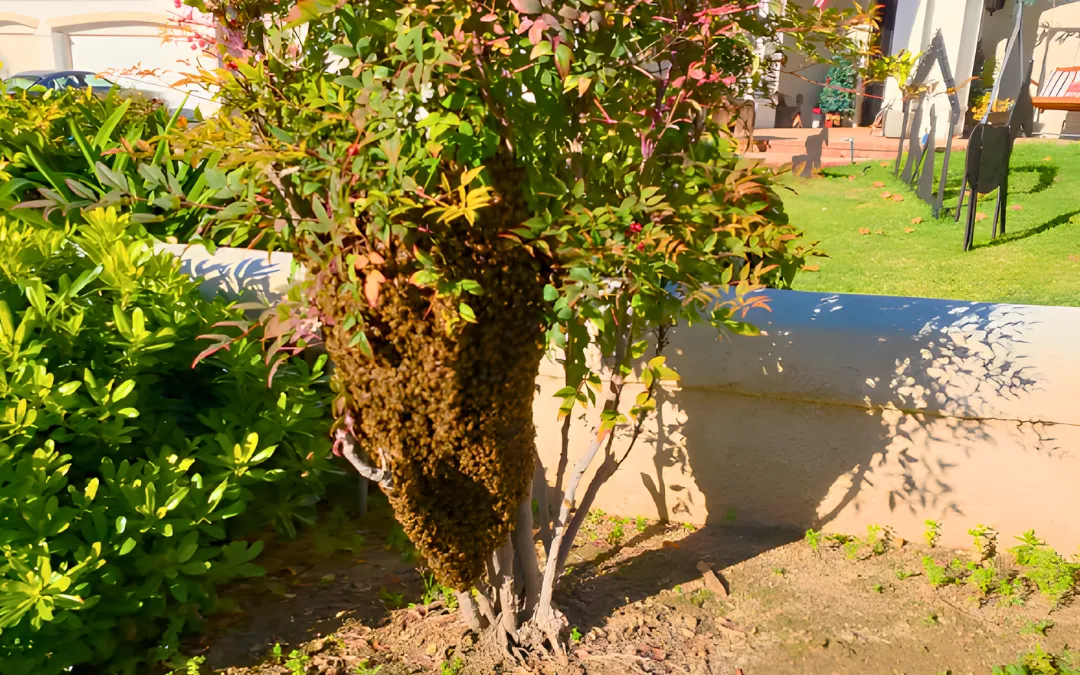
Before getting into removal, it helps to know what a swarm actually is. When a hive gets too crowded, the colony splits to start a new one, and it's the old queen who gets it going. She leaves the hive with a big group of worker bees, and that cluster is what you're looking at. They can look scary, but swarming bees usually aren't aggressive, because they're busy guarding the queen while they look for a new home.
Why bee swarms show up so often in Los Angeles
Los Angeles is easy living for bees. The weather is mild all year and there are flowers everywhere, so there's plenty of nectar to forage. There's no real winter here either, so the bees stay active all year. With so much of the city built up, though, there aren't as many trees and natural cavities to move into, so bees start looking at houses and commercial properties for their next hive. That's why a lot of swarms in Los Angeles turn into urgent calls for removal.
Humane bee swarm removal and why it's worth doing
How a swarm gets removed affects the local bees and the people who live around them. Bees play a big role in pollinating a lot of the food we eat, and they help keep the plants and wildlife around us healthy.
The risks of inhumane removal
Some removal services go for the quick fix, using harsh chemicals or just killing the bees. Besides what it does to the bees, that usually doesn't fix the actual problem. Bees often move back into the same spot, or part of the colony survives and settles somewhere else, sometimes somewhere worse.
What a professional does differently
Professional bee removal people who do this right focus on relocating the bees safely and humanely, often to vetted apiaries where they help local agriculture and keep the gene pool varied. The bees survive, and the property owner doesn't have to worry about it anymore. Ask anyone you call where the bees go. A real answer is a good sign.
I'm Eli, and with Eli the Bee Guy I do ethical bee removal in Los Angeles and the surrounding areas. Swarms get handled carefully and relocated somewhere safe where they can keep going.
How bee swarm removal goes, step by step
If you're in Los Angeles and you've got a bee swarm, here's how a professional job usually goes:
Initial assessment
- Looking the situation over. You need to know where the swarm is and how big it is. Getting safely to awkward or dangerous spots and sizing things up correctly is how you pick the safest way to remove it.
- Local rules. In Los Angeles, regulations may set how wildlife removal has to be done, with the focus on humane methods and the effect on the environment.
Planning
- Planning the removal. Picking the right time and method takes some thought. Swarm size, weather and time of day all come into it. Early morning or late evening is often best, when bees are less active.
- Gear. Bee vacuums and protective gear are standard. They keep both the bees and the people doing the removal safe.
Ethical removal techniques
- Non-lethal methods. Catching the whole swarm and making sure the queen gets caught keeps the colony together. That's usually done with a bee-catching box or bag.
- Temporary housing. Once they're caught, the bees go into hive boxes made for transport.
Relocation
- Apiary placement. The bees need to go somewhere safe that can support them, usually an apiary that's been vetted for keeping colonies healthy.
- Getting the colony started. Whoever relocates them makes sure the colony has enough supplies, like sugar water, to get through the move until they settle into the new spot.
After the removal
- Keeping bees from moving in. Closing up entry points and showing the owner what to watch for helps stop future swarms from settling. Sealing up entry points is often offered as part of the job.
- Keeping an eye on it. Sometimes it makes sense to watch the spot or check back to make sure wandering bees haven't moved in again.
Why it helps when people know more about bees
A lot of humane swarm handling comes down to people knowing what they're looking at. Plenty of folks see a swarm, get scared and go straight for killing it, because nobody ever told them otherwise. When neighborhoods learn about the ecological benefits of bees and why they're worth protecting, attitudes change, and the bees get a better shot.
Teaching the public
A lot of bee removal folks also do community outreach on humane bee control. That can be workshops or talks where residents learn why swarms happen and how to deal with them safely, and what bad swarm removal does to the environment around them.
What makes bee removal in LA hard
Working in a city the size of Los Angeles has its own problems. High-rises, packed residential streets and all kinds of building styles make some places hard to get to. And because people here care a lot about wildlife, you'd better be doing the job professionally and treating the bees right.
Different customers want different things
Homeowners and business owners care about different things. A family is usually worried about safety right now and about allergies. A business usually wants it done fast and quiet so it doesn't disrupt anything. Either way, the swarm still has to come down carefully, and I plan the job around whatever matters most to you.
Allergies and safety
Lots of people have severe allergies to bee stings, so safety during the removal is a big deal. A good removal service follows procedures that keep the risk low and is ready to handle an emergency if one happens. If someone at your place is allergic, tell me when you call so I can plan around it.
The bigger picture: bee health and the local ecosystem
Each swarm handled right in the city adds up for the local plants and wildlife. Healthy bee populations help organic gardens, farms and the green spaces around town do well.
Organic gardening, planting native flowers and supporting local apiaries all help keep bees healthy and keep a good mix of plants and insects around.
How much does bee swarm removal cost?
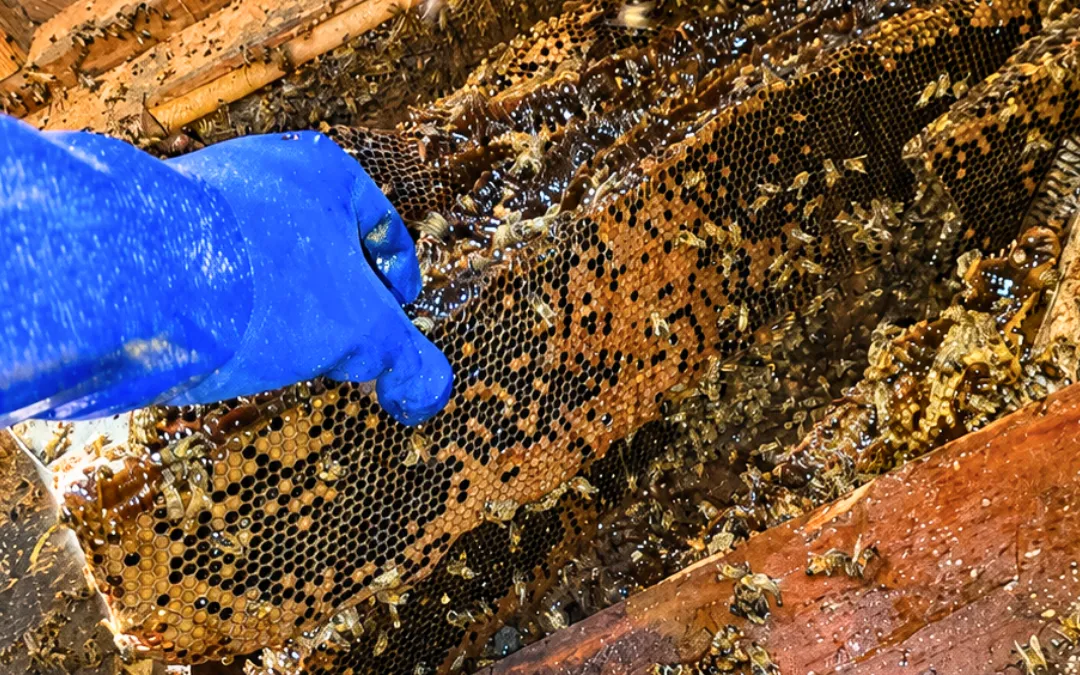
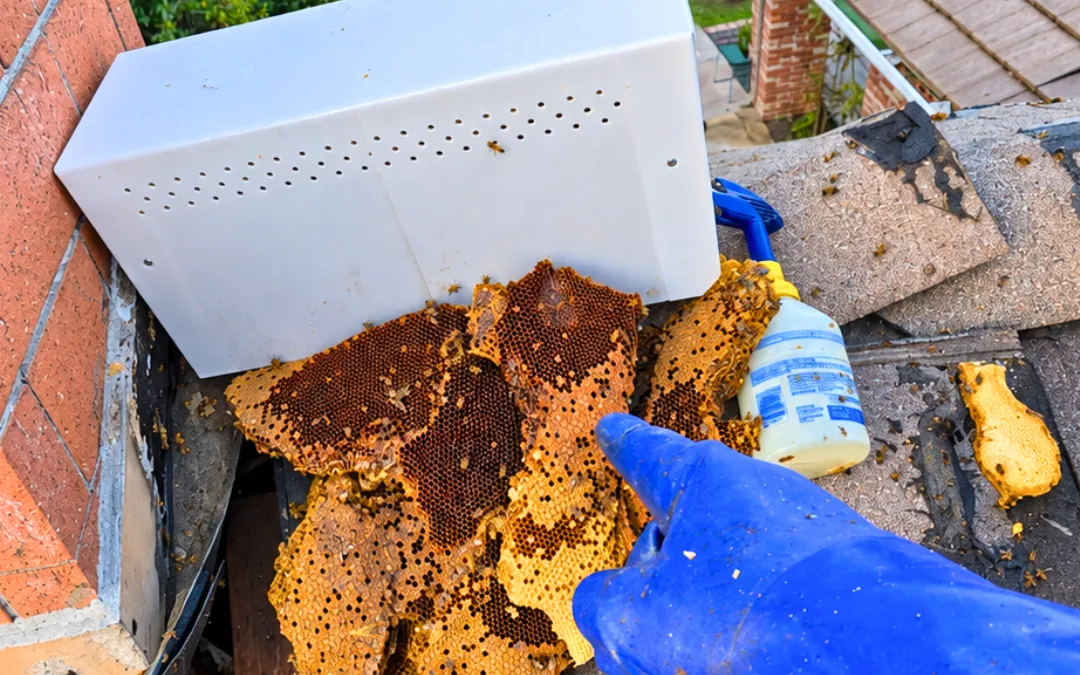
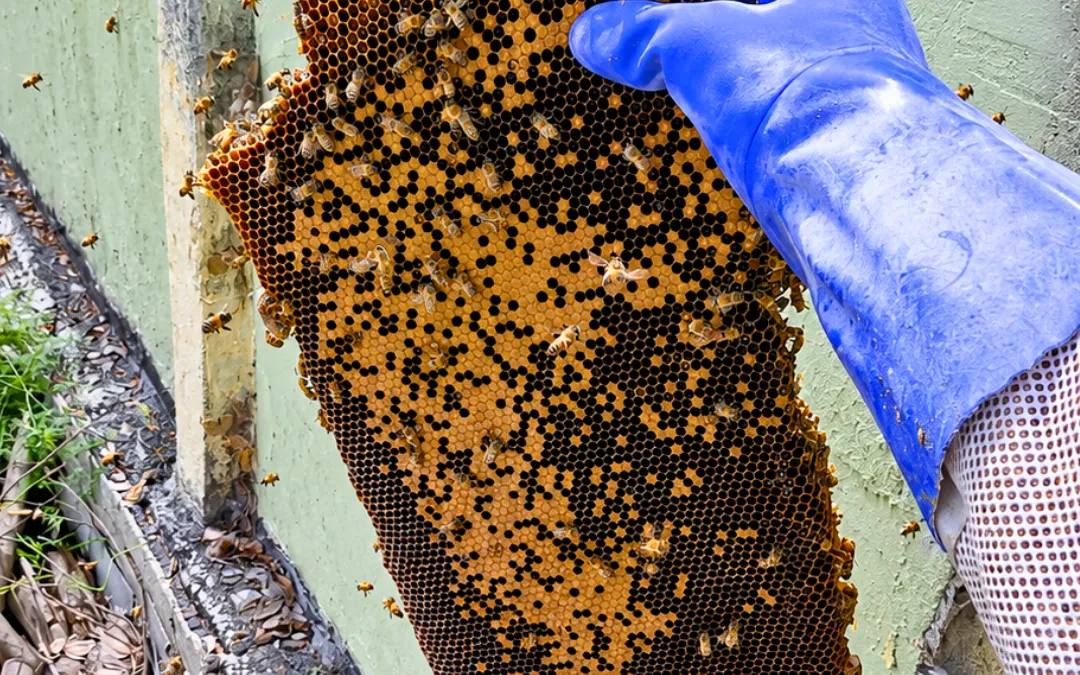
Swarm removal is $250 anywhere in my service area, which covers Los Angeles County, all of Orange County and the Inland Empire. Most LA swarm jobs are handled by my own crew. A swarm is a cluster of bees resting on a branch, fence or wall before they pick a new home. If the bees have already moved inside a wall, roof or meter box, that's a structural removal, which runs $375 to $1,000 depending on how much opening and repair the job needs. See bee removal cost for the details.
Call as soon as you see a swarm. Once the bees move into a structure, the job gets bigger and more expensive.
Taking action
If you're in Los Angeles and dealing with a bee swarm, knowing why the humane route matters helps you make a better call. At Eli the Bee Guy, I handle the whole thing, from keeping people safe to getting the bees relocated alive.
When you go the ethical route, you help make the city a place where people and bees can live side by side. Next time you run into a buzzing swarm in Los Angeles, call someone who'll keep you safe and keep the bees alive too.
Frequently asked questions
How much does bee swarm removal cost in Los Angeles?
Is swarm removal guaranteed?
Will a bee swarm leave on its own?
Like these guides? Add Eli the Bee Guy as a preferred source on Google to see more of them in your search results.