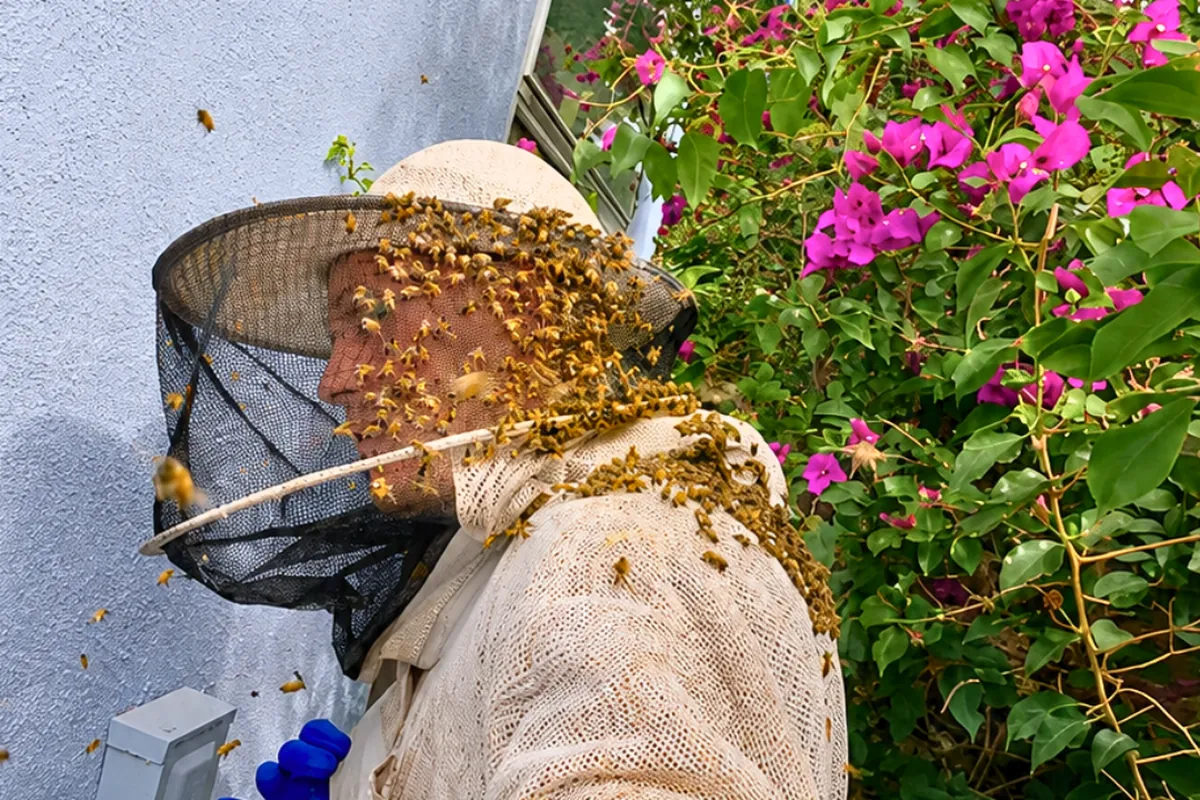
I've spent more than 15 years moving honey bees out of places where they aren't wanted and getting them to beekeepers who can use them. People sometimes ask why I go to all that trouble instead of just killing the bees. The short version is that we need them, and the numbers back that up.
Short answer: Honey bees are important because they pollinate a large share of the crops we eat. The USDA says about one mouthful in three in our diet benefits directly or indirectly from honey bee pollination, which adds at least $18 billion a year to U.S. agriculture. California almonds depend on them almost entirely. Colonies are also being lost at high rates.
Why are honey bees important?
Mostly for pollination. When a honey bee visits flowers for nectar and pollen, she carries pollen from one bloom to the next, and that lets many crops set fruit, nuts and seed.
The USDA Agricultural Research Service lays out the scale on its honey bee health page:
- Pollination by managed honey bee colonies adds at least $18 billion to the value of U.S. agriculture each year.
- About one mouthful in three in our diet directly or indirectly benefits from honey bee pollination.
- Commercial production of many high-value and specialty crops, like almonds and other tree nuts, depends on honey bee pollination.
Honey and beeswax matter too, of course. If you're curious how much honey one colony can make, I cover it in how much honey a beehive produces. Pollination is still where honey bees matter most to our food supply.
Why are honey bees so important to California?
Because of almonds. The USDA ARS says almonds are almost completely dependent on honey bees for pollination, and that the almond industry uses almost three-quarters of all managed honey bee colonies in the United States during one short window in January and February each year.
Most of the country's managed bee colonies end up in California orchards in the same few weeks. When bee colonies struggle anywhere in the country, California growers feel it.
Are honey bees dying?
Yes, colonies are being lost at rates beekeepers consider far too high. The most recent numbers come from the U.S. Beekeeping Survey, led by Auburn University with Oregon State University and the Apiary Inspectors of America.
| Survey year (April to April) | Colonies lost |
|---|---|
| 2023 to 2024 | 55.1% |
| 2024 to 2025 | 55.6% |
| 2025 to 2026 | 39.9% |
The 2025 to 2026 number is better than the two record years before it, but it's still high. Auburn reports winter losses alone were 30.3%, about 10 percentage points above what beekeepers say is acceptable. The survey covered more than 2,300 beekeepers managing 219,000 colonies, and backyard beekeepers lost more than commercial operations did.
The longer trend isn't great either. The USDA ARS page says the number of managed colonies in the U.S. dropped from 5 million in the 1940s to about 2.66 million, and that typical yearly losses jumped to about 15 to 22 percent after Varroa mites arrived in the late 1980s.
Why are honey bees dying?
There isn't one single cause. Auburn's survey lead, Geoff Williams, pointed to pressure caused by parasites and poor forage. The USDA ARS points to Varroa mites and other health issues as the turning point when average losses went up, and it notes that high losses have continued since Colony Collapse Disorder was first reported, averaging about 30 percent.
Every colony that's killed instead of saved is one more loss on top of that.
What can homeowners do to help honey bees?
A few things that help:
- Plant flowers. Bees need forage, and a yard with something blooming most of the year helps.
- Go easy on garden chemicals, especially on plants that are in bloom.
- Leave swarms alone. A cluster of bees on a branch is usually just resting while scouts find a new home. If it needs to go sooner, call a live removal service instead of spraying it.
- Buy local honey from local beekeepers.
- Never spray a hive in your house. Get the bees removed alive.
I go deeper on this in why live bee removal matters for the environment.
Why does this matter if bees are living in your wall?
Because the colony in your wall or roof is the same kind of bee that pollinates our food. It's in the wrong place, and it needs to come out, but it doesn't need to die.
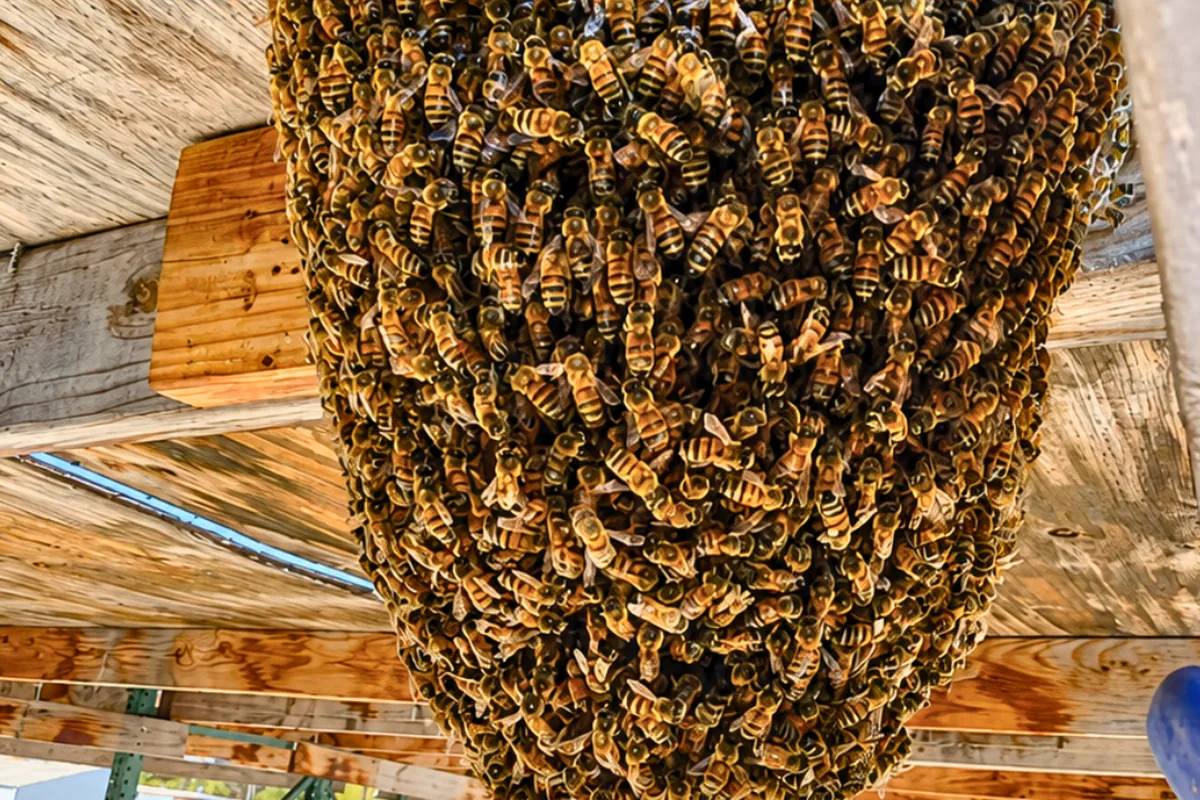
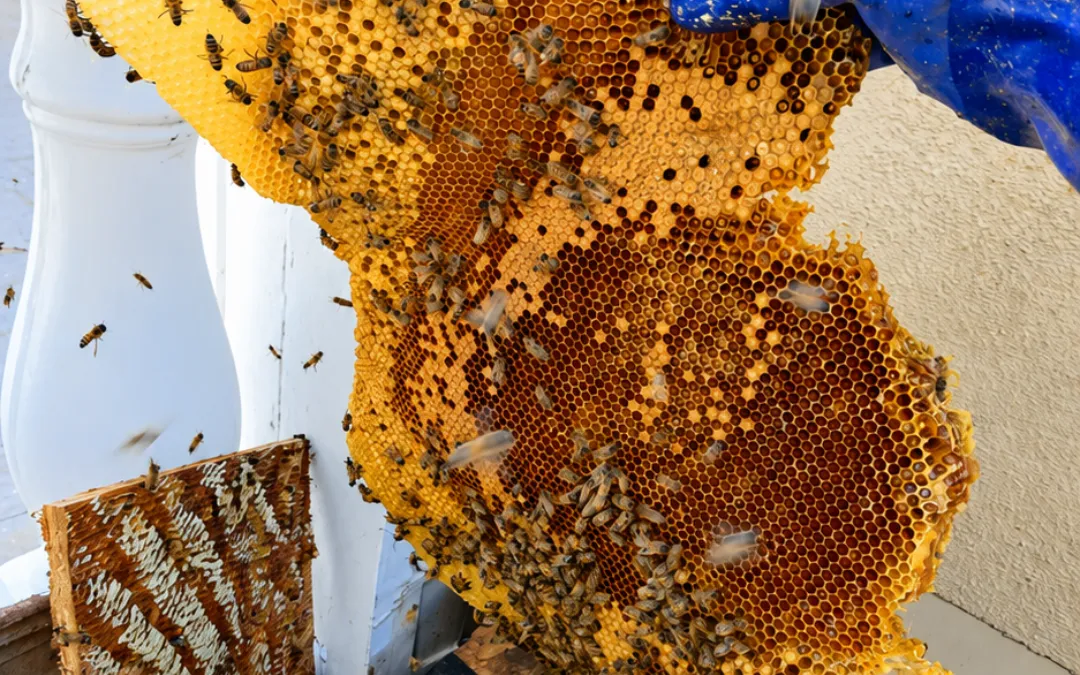
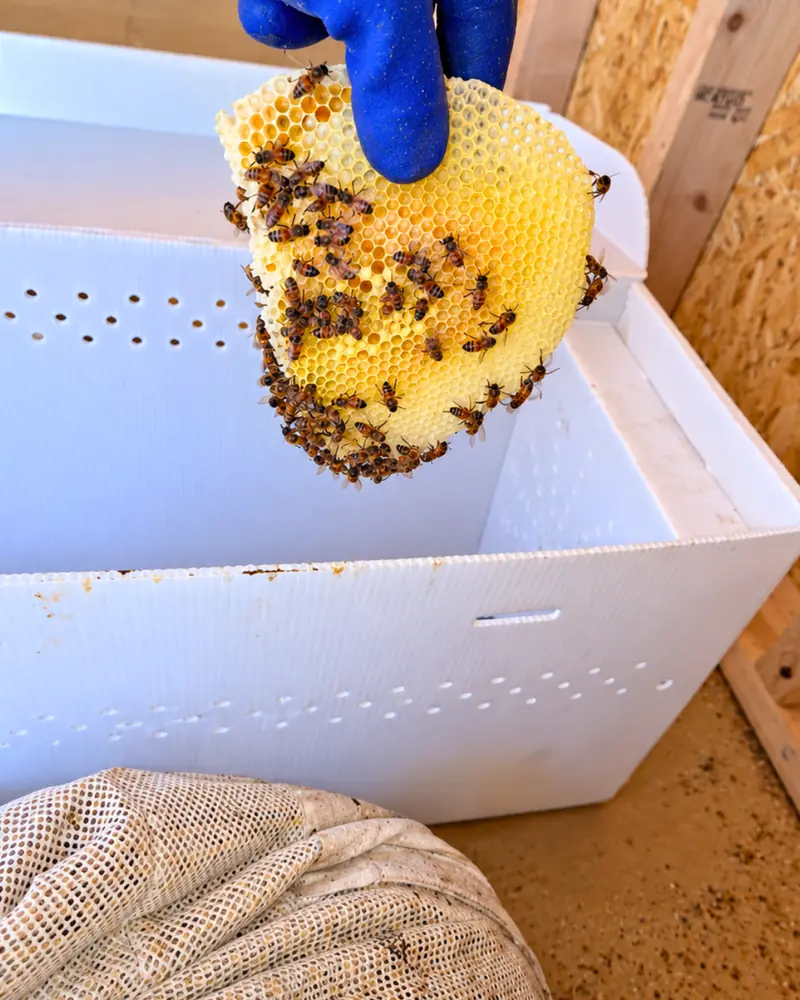
When I do a structural removal, I take out the bees and all of the comb, and the colony goes into a bee box for relocation to a beekeeper. I don't use pesticides or chemicals on bees. Swarms get the same treatment. The biggest one I've ever handled, about 100 pounds of bees at Kaiser Permanente in Riverside, filled five bee boxes and went off alive. Structural removals run $375 to $1,000 and carry a 6-month guarantee that the bees won't come back, and swarm removals are $250.
Have bees that need a new home?
Call or text a photo to (626) 487-6052, or use the quote form. Inspections are free. I answer calls and texts 7 days a week and do removals Monday through Saturday across Orange County, the Inland Empire and Los Angeles County.
Frequently asked questions
Why are honey bees important to humans?
How much are honey bees worth to agriculture?
Why do almonds need honey bees?
How many honey bee colonies are dying?
Why are honey bees dying?
What should I do if honey bees are in my wall?
Like these guides? Add Eli the Bee Guy as a preferred source on Google to see more of them in your search results.