The Buzz About Bees and Why They’re Important
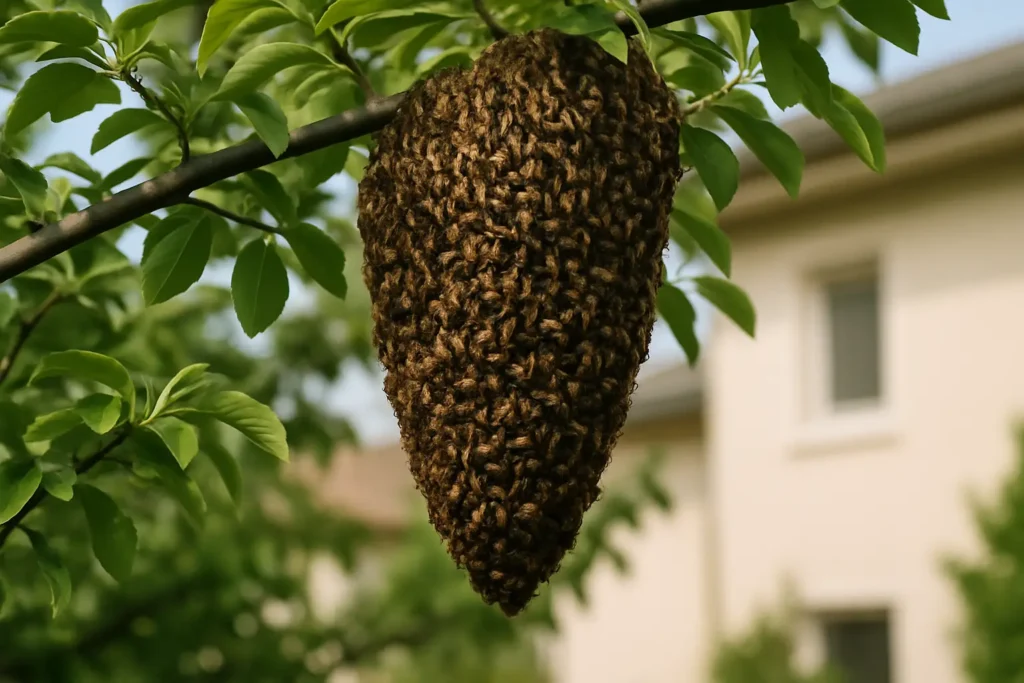
Bees have captivated human attention for centuries, celebrated for their diligent work and honey production. Beyond these roles, bees are linchpins within ecosystems. They pollinate a staggering variety of plants, contributing to biodiversity and food security. However, encounters between humans and bee colonies can sometimes lead to conflict, especially when bees choose to establish their homes in inconvenient or hazardous places.
Why Use a Bee Removal Expert?
The presence of bees in close proximity to human activity presents unique challenges. Finding bee removal experts near you ensures that both the bees’ welfare and your safety are prioritized. These professionals possess the necessary skills to handle bees ethically and effectively without resorting to harmful chemicals or temporary fixes. The right approach not only minimizes immediate risks but also prevents future issues by addressing root causes.
What Sets Eli the Bee Guy Apart?
Living in Southern California means facing frequent encounters with buzzing visitors, especially in counties like Los Angeles, Orange, and Riverside. It’s crucial to find someone who understands the local environment and caters specifically to your needs. Eli the Bee Guy is recognized for offering more than just removal services; Eli’s approach involves live removals, sustainable relocation to verified apiaries, and preventive measures such as entry-point repairs. This holistic service ensures the safety of both you and these vital pollinators.
How Does Bee Removal Work?
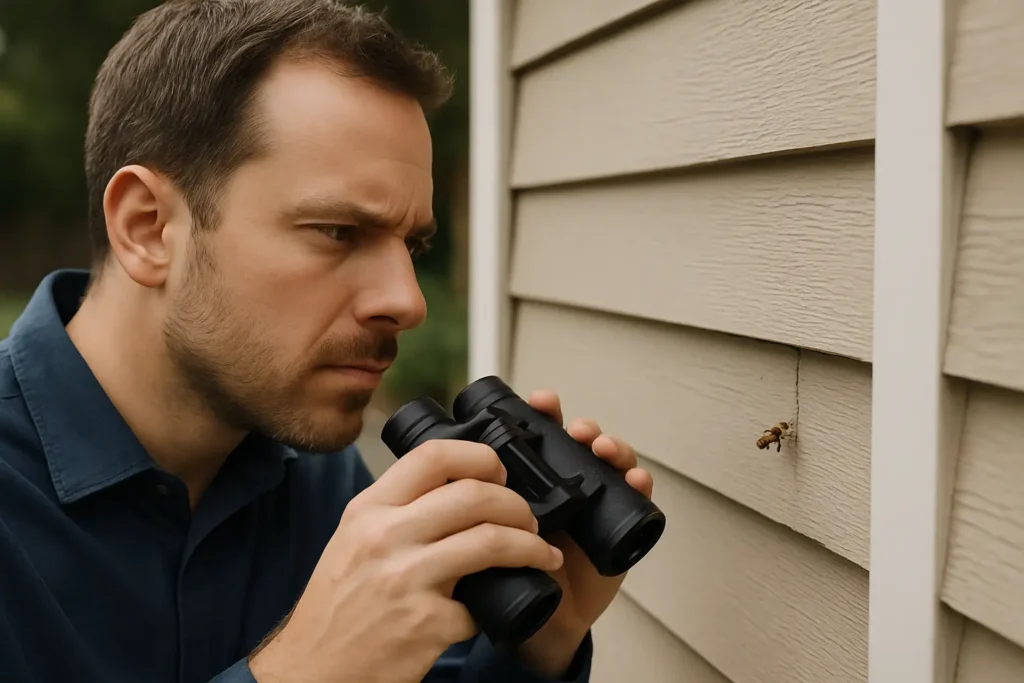
- Inspection and Assessment: Every successful removal begins with a thorough inspection. Experts evaluate the situation, identifying the bee species involved, the size of the colony, and the best course of action. Eli the Bee Guy, for example, starts with a comprehensive assessment to determine the most ethical and effective approach.
- Safe and Humane Removal: Professionals use non-invasive techniques to gently coax bees from their hives. Unlike extermination methods, live removals focus on preserving the integrity and health of the bee colony. Tools such as bee vacuums and smoke are employed to calm the bees during the process.
- Relocation and Conservation Efforts: Post-removal, the bees are transported to vetted apiaries. This ensures the sustainability of bee populations and supports biodiversity. Safe relocation is crucial in maintaining environmental balance and preventing the unnecessary loss of pollinator populations.
- Preventative Measures and Repairs: Once the bees have been safely removed, steps are taken to prevent future invasions. This often involves repairing and sealing entry points to deny reoccupation. Such preventative measures are vital in providing a long-term solution rather than a temporary fix.
The Ethical Angle: Why Humane Bee Removal Matters
The decline of bee populations is a pressing global issue, with significant implications for agriculture and the environment. Ethical bee removal practices contribute to conservation efforts by ensuring that these critical pollinators are preserved and respected. Ethical considerations also align with broader environmental goals and local regulations regarding wildlife protection.
Pro Tips for Choosing the Right Bee Removal Service
- Research and Reviews: Begin by searching for “bee removal experts near me” and scan through reviews and ratings. A respected service will have positive feedback from past clients.
- Licensing and Credentials: Ensure that the company is licensed and their technicians are trained in humane and ethical removal practices.
- Experience in Local Conditions: Expertise is often measured by experience. Someone familiar with the local ecology will better understand the specific bee species and potential issues relevant to the area.
- Detailed Estimates: Professional services provide clear, detailed estimates outlining the costs involved and the steps they will undertake.
Addressing Safety Concerns: Allergies and Immediate Threats
For individuals with allergies to bee stings, or families with young children, the arrival of a bee colony can be especially concerning. In cases of severe allergic reactions, timely, professional intervention is paramount. With services like Eli the Bee Guy, prompt and efficient resolutions ensure that safety is restored without delay.
Common Myths About Bees and Their Removals
- Bees Are Aggressive by Nature: Contrary to popular belief, most bees are non-aggressive unless provoked or threatened. Understanding bee behavior can reduce unnecessary fear and promote coexistence.
- All Bees Sting: Some bee species are stingless, and many bees only sting when their colony is threatened.
- Bees Can Be Left Alone: While in some situations bees can coexist with humans, it is often unsafe or impractical in dense urban or suburban settings.
Frequently Asked Questions
1. How do I know if I have a bee infestation? Signs of a bee infestation include large numbers of bees near an area, visible hives or honeycomb, or the presence of buzzing sounds in walls or roofing.
2. What types of bees might need removal in Southern California? Common species include honeybees, carpenter bees, and occasionally bumblebees.
3. Why not attempt DIY bee removal? DIY bee removals often fail to consider the safety of the bee colony and the potential hazards involved. Without proper tools and expertise, you risk provoking the bees or causing harm to both the bees and yourself.
Conclusion: Making a Buzz With a Bee-Friendly Approach
Choosing a bee removal expert is a decision that reflects both environmental responsibility and personal safety. By selecting services that prioritize humane, ecological methods and offer comprehensive solutions, you’re contributing to sustainability and harmony with nature. If you’re seeking peace and protection within your home or business, connecting with conscientious specialists like Eli the Bee Guy ensures that your “bee removal experts near me” search leads to the best possible outcome for you and these magnificent insects. Trust and dedication lead to resolution – one bee colony at a time.
Remember, in the dance between humans and nature, the goal is not just to share the stage but to ensure each performer thrives in their role.