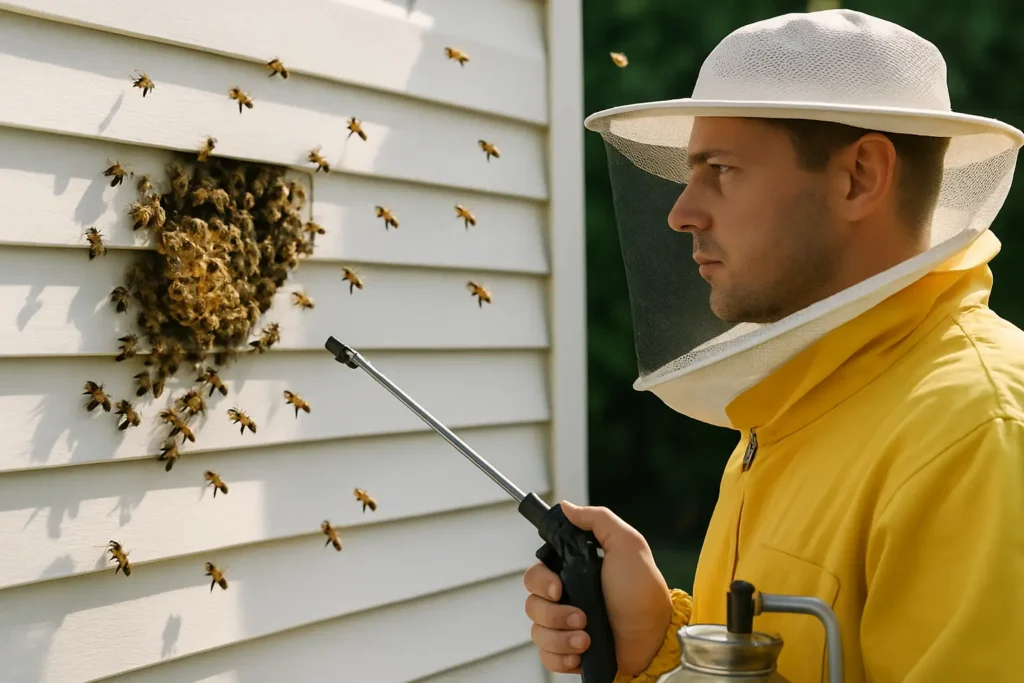
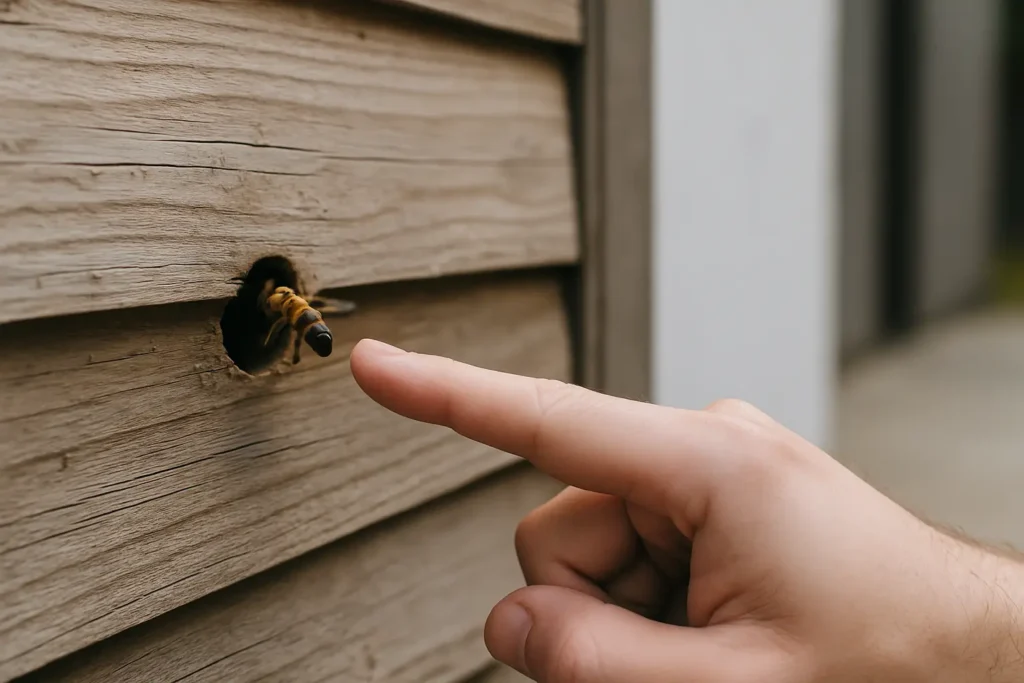
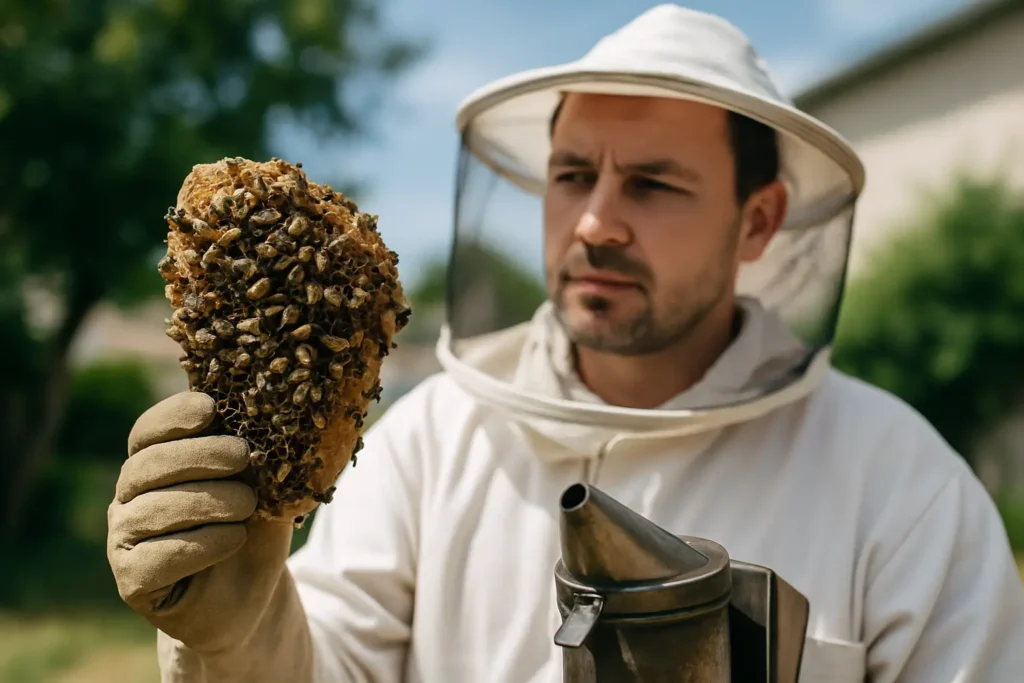
A quiet afternoon can turn tense fast when you notice a steady line of bees disappearing into a crack near your eaves—or when a “swarm” appears like a moving, humming cloud on a tree you walk past every day. In Los Angeles, that moment is common. Our mild winters and long bloom seasons make this an easy place for bees to thrive, and for colonies to settle into walls, roofs, and other hidden voids.
The hard part isn’t identifying that you have bees. The hard part is choosing the right help—someone who can restore peace and home without turning the situation into a bigger repair bill, a repeat infestation, or an unnecessary loss of healthy pollinators.
Why experienced bee handlers in Los Angeles matter
When people search for experienced bee handlers in Los Angeles, they’re usually looking for two things at once: immediate safety and a permanent solution. Those goals can pull in opposite directions if the “solution” is rushed.
A true hive in a structure isn’t just bees you can see at the entry point. It’s comb attached to framing, stored honey, brood, and a workforce that’s oriented to that location. If the colony is killed or blocked in without removing the comb, what’s left behind can melt, leak, ferment, attract ants and rodents, and soak into insulation and drywall. That’s why experience matters: the best outcomes come from understanding bee behavior, construction realities, and the timing of removal so the job is done once—and done cleanly.
Los Angeles adds extra nuance. Many properties have layered remodels, stucco patches, and tricky rooflines that hide entry points. In commercial settings, there’s often a need to coordinate with tenants, maintenance teams, and operating hours. And in some neighborhoods, you’re dealing with high foot traffic and public safety concerns where you can’t “wait it out.”
Swarm, hive, or wasps? Getting the situation right
Not every “bee problem” is the same, and the first sign of a good handler is that they don’t treat them the same.
A swarm is typically a temporary resting group looking for a new home. It can look dramatic, but swarms are often less defensive because they don’t have established brood or stored resources to protect. In many cases, a prompt live capture and relocation can resolve it with minimal disruption.
A colony in a wall or roof is different. If you’re seeing bees consistently entering and exiting the same gap day after day, or hearing buzzing inside a wall, you may have an established hive. That generally calls for a full extraction, not a “spray and walk away” approach.
Then there are wasps and yellowjackets, which are often mistaken for bees but behave differently and require different methods. A reputable professional will confirm what you have before recommending any plan.
What “humane” actually looks like in bee removal
Humane bee removal isn’t a buzzword. It’s a set of choices that protect people while giving bees the best chance to survive and continue doing what they’re meant to do.
At a practical level, humane service usually means live removal and relocation to a vetted apiary where the colony can rebuild naturally. It also means taking the time to remove comb and clean the cavity when bees have been living inside a structure. That step isn’t just about neatness—it’s what prevents lingering odors, pests, and future re-occupation.
Humane also means honest trade-offs. Sometimes access is difficult, and opening a wall or soffit is the only way to remove the hive completely. A careful handler will talk through those realities up front: what needs to be opened, how it will be repaired, and how to prevent bees from coming right back.
The difference between “removal” and a permanent fix
One of the most common problems we see in Los Angeles is the quick fix that turns into a repeat call. Bees are excellent at finding openings, and they also cue off residual pheromones and the scent of old comb.
A permanent fix is usually a combination of:
A complete extraction when a hive is inside the structure, including comb removal and proper cleanup. This reduces the likelihood of pests and eliminates the strongest attractants.
Targeted repairs that close the entry point and reinforce vulnerable gaps. This might include sealing and rebuilding small sections of fascia, patching stucco cracks, screening vents, or correcting warped trim.
A prevention mindset that considers the whole building envelope, not just the obvious hole. In older homes, there may be multiple access points that aren’t visible from the ground.
This is where experience pays off. Skilled bee handlers don’t just remove bees—they reduce the odds you’ll face the same situation next season.
Questions to ask before you hire anyone
Los Angeles has plenty of “bee services” advertised online, but the quality varies. Before you commit, it helps to ask questions that reveal whether you’re getting true expertise or a temporary patch.
Ask what their plan is for the comb. If the bees are in a wall, any approach that avoids addressing the comb should come with a clear explanation of the consequences—and what steps they’ll take to prevent problems afterward.
Ask whether they relocate live colonies and where they take them. Ethical relocation isn’t just “moving them somewhere else.” A responsible handler should be able to speak to the destination and how the colony will be managed.
Ask how they handle repairs. Some companies remove bees and leave you to find a contractor. Others provide entry-point repairs so the structure is secured right away. Either is workable, but you should know before the work starts—especially if the hive is inside an exterior wall that will be opened.
Ask about safety and scheduling. If you have children, pets, or high tenant traffic, timing and containment matter. The right handler can explain what to expect during the removal, where people should stay, and how long bee activity may continue as stragglers return.
What you should do (and not do) while you wait
If you’ve discovered a swarm or active entry point, your next steps can make the situation calmer—or much worse.
Give the area space. Most stings happen when people get too close, try to spray, or vibrate the surface near the hive (like mowing near a wall colony). Keep kids and pets away and avoid tapping or sealing the opening.
Don’t use store-bought sprays on a suspected wall hive. Aside from the ethical concern, partial kills can drive bees deeper into a structure, spread contamination, and leave comb behind.
If you can, take a clear photo or short video from a safe distance. The pattern of flight and the entry location help a professional assess what’s happening before arriving.
If someone in the home has a history of severe allergic reactions, treat this as time-sensitive. Your priority is reducing exposure and getting professional help quickly.
Cost, access, and “it depends” realities in Los Angeles
People understandably want a simple price over the phone. The honest answer is that bee removal pricing depends on access, colony location, and how much repair is needed to restore the structure.
A reachable swarm on a low branch is often simpler than a hive inside a second-story eave. A colony that’s been building comb for months generally requires more time than one that moved in recently. And in Los Angeles, roof access, parking, and multi-unit coordination can affect labor and scheduling.
The key is transparency. A professional should be able to explain what drives the cost—extraction complexity, cleanup requirements, and repair scope—so you’re not surprised halfway through the job.
When commercial properties need experienced handling
For property managers, the stakes are different. The goal is still safety and humane outcomes, but you’re also managing liability, tenant communication, and business continuity.
Experienced handlers understand how to work around operating hours, secure work zones, and document what was found and fixed. They also understand that “just remove the bees” isn’t enough if the entry point remains open—because a repeat colony can become a repeated incident.
A local option for humane removals
If you’re looking for a service that focuses on live bee removals, full hive extractions, safe relocations to vetted apiaries, and entry-point repairs to prevent re-occupation, you can learn more about Eli the Bee Guy. The goal is simple: bees rescued, people protected, and peace and home restored—without shortcuts that create new problems later.
The outcome you’re really hiring for
When you hire experienced bee handlers in Los Angeles, you’re not just hiring someone to “get rid of bees.” You’re hiring for calm decision-making under pressure, careful hands around living pollinators, and the kind of follow-through that leaves your property safer than it was before the bees arrived.
If you’re standing in your yard right now watching bees move in and out of your home, take a breath and resist the urge to rush into DIY. The best next step is the one that protects your household today and keeps the bees from needing to be “handled” again tomorrow.