You don’t usually notice how many tiny entry points a building has until something starts living in one.
In Southern California, a warm week can turn into ants in the kitchen, yellowjackets around the patio, or a buzzing “mystery” in a wall that suddenly feels urgent. When that happens, the fastest solution often looks like a can of spray or a fogger. But the fallout can be bigger than the pest you’re trying to solve – especially if the target is actually a beneficial pollinator like a honey bee.
Eco-friendly pest control options are about two things at once: protecting people and property while reducing unnecessary harm to the surrounding environment. The best versions of these options aren’t “do nothing and hope.” They’re targeted, preventive, and built to last.
What eco-friendly pest control options really mean
“Eco-friendly” is sometimes used like a label you can slap on a product. In practice, it’s a way of making decisions.
A genuinely eco-conscious approach tends to share a few traits. It focuses on prevention first, because the safest pesticide is the one you never need. When treatment is necessary, it favors targeted methods over broad-spectrum chemicals that drift, linger, or kill indiscriminately. And it aims for long-term control, not quick knockdowns that guarantee repeat problems.
There are trade-offs. Some low-toxicity treatments work more slowly and may require follow-up. Sealing a structure correctly takes time. And some pests – especially stinging insects in high-traffic areas – can’t be “waited out” when safety is on the line. Eco-friendly doesn’t mean risk-friendly.
Start where most infestations start: food, water, and access
A lot of pest pressure is created by basic conditions. If you remove what pests need, you usually reduce the problem dramatically, and you do it without adding anything to the environment.
Inside homes, moisture is a magnet. Leaky valves under sinks, a slow-dripping hose bib, or condensation around an HVAC line can support ants, cockroaches, and even rodents. Fixing the water source often changes the whole situation.
Food is the second big driver. Stored pet food in open bags, crumbs under appliances, or uncovered trash can keep a “small” pest problem from ever ending. Using sealed containers and tightening up trash routines sounds simple, but it’s one of the most effective non-chemical controls available.
Access is the third leg of the stool. In our area, buildings expand and contract, stucco cracks, weatherstripping wears out, and vents get loose. Sealing gaps, screening vents, adding door sweeps, and repairing damaged eaves is pest control that keeps working year after year. It’s also one of the most pollinator-friendly steps you can take because it prevents insects from moving into walls where they’ll later be treated with harsher measures.
The heart of sustainable control: Integrated Pest Management
If you’ve heard of IPM (Integrated Pest Management), it’s not a product – it’s a decision system. It’s also the most practical framework for eco-friendly pest control options because it’s built around restraint and precision.
IPM starts with correct identification. Ants and termites require very different strategies. Honey bees and yellowjackets are not the same problem, and treating them the same way can create safety risks and ecological damage.
Next comes monitoring and thresholds. A few outdoor ants on a walkway may not require any treatment. A growing line of ants inside the kitchen probably does. With IPM, you treat based on what’s happening, not on fear.
Finally, you select the least disruptive tool that will solve the problem. Sometimes that’s sanitation and exclusion. Sometimes it’s traps or baits. Sometimes it’s a targeted application of a lower-toxicity material where it actually matters.
Low-toxicity tools that can be effective when used correctly
Eco-friendly pest control is often about choosing tools that are specific and localized, then using them with care. The following options can work well, but they work best when they match the pest and the situation.
Baits instead of sprays for ants and some roaches
For many ant issues, baits are more eco-conscious than perimeter spraying. A good bait is carried back to the colony and shared, which targets the source rather than just killing the ants you see.
This matters because spraying can scatter ants, create “phantom control” for a few days, and then leave you right where you started. Baits take more patience, but they usually do more to end the problem.
Mechanical traps for rodents
Rodents create an understandable sense of urgency, especially for property managers. But rodenticides can harm pets, wildlife, and even raptors that feed on poisoned rodents.
Snap traps and enclosed multi-catch traps are a more targeted choice. They require good placement and consistent checking, but they reduce secondary poisoning risk. Pair trapping with exclusion and habitat cleanup, or you’ll be trapping forever.
Diatomaceous earth and silica dust – useful, but not casual
These dusts can help with certain crawling insects when applied lightly in voids and hidden areas. They work by damaging an insect’s protective outer layer.
The trade-off is that dust is still particulate matter. It can irritate lungs if it becomes airborne, and it’s not something you want spread across living spaces. If you use it, use it in the right places, in the right amount, and keep it out of reach of kids and pets.
Soaps and oils for soft-bodied pests
For garden pests like aphids or mites, insecticidal soaps and horticultural oils can be effective. They can also harm beneficial insects if sprayed carelessly, especially if you hit flowering plants when pollinators are active.
Timing makes the difference. Apply at dusk or early morning, avoid open blooms, and treat only the plants that need it instead of “blanketing” the yard.
Bees, wasps, and yellowjackets: protect the helpers, manage the hazards
This is where a lot of well-intended homeowners get stuck. You want an eco-friendly approach, but you also need your family, tenants, or customers to be safe.
First, it helps to separate the players.
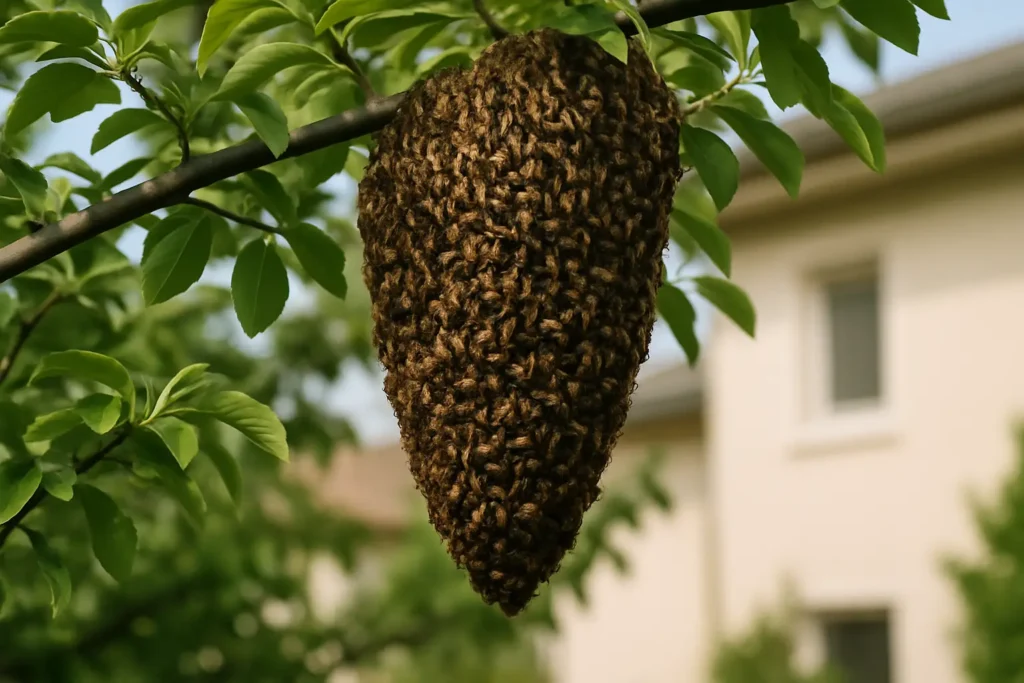
Honey bees are vital pollinators and are often present because they’re swarming (temporarily resting) or because a colony has established a hive in a structure. A swarm on a branch may move on, but a colony in a wall will not. Once comb is built, it attracts pests, holds moisture, and can create recurring problems even if the bees are killed.
Yellowjackets and some wasps are different. They’re not the same kind of pollinator asset, and they can be aggressive, especially late in the season. An underground yellowjacket nest near a walkway can be a serious safety issue.
Eco-friendly pest control options here depend on risk.
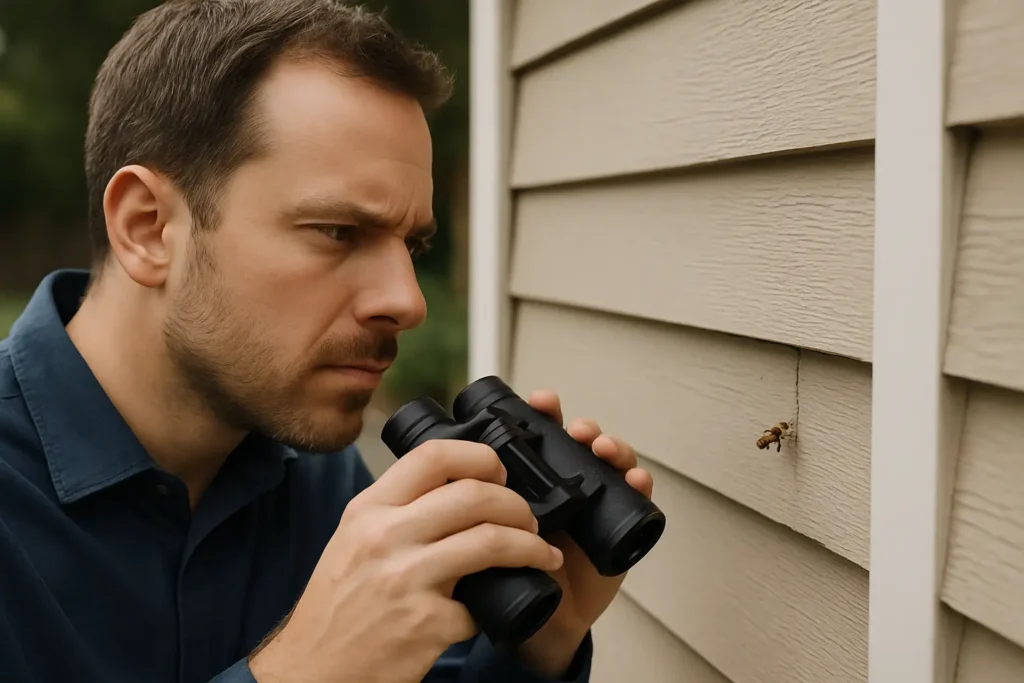
If there’s any chance you’re dealing with honey bees, avoid spraying. Many over-the-counter products kill on contact but don’t address the comb inside a wall, and they can push bees deeper into the structure. A live removal and proper repair is often the most responsible long-term fix, especially when the goal is peace and home restored rather than temporary relief. If you need help identifying what you’re seeing or you suspect a hive in a wall, a humane specialist like Eli the Bee Guy can remove and relocate bees and address entry points so the same cavity doesn’t get re-occupied.
If the insect is a high-risk stinger near people and pets, you may still choose a targeted treatment. The eco-friendly angle is to avoid broad outdoor spraying and instead focus on the nest itself, paired with prevention steps that keep new queens from choosing your property next season.
Yard habits that reduce pests without harming pollinators
Outdoor spraying is one of the easiest ways to hurt the insects you actually want. Fortunately, yards offer many prevention levers.
Standing water is a mosquito factory. Dump and refresh birdbaths, clear clogged gutters, and check for forgotten containers. If you have irrigation, adjust schedules so you’re not creating constant damp zones.
Overgrown vegetation touching the house acts like a bridge for ants and other insects. Trimming plants back a few inches from siding and keeping mulch from piling against the foundation can reduce pest access.
Lighting matters too. Bright white lights attract insects, which then attract spiders, lizards, and sometimes stinging insects hunting prey. Warmer-toned bulbs and directing light downward can reduce the nightly “bug beacon” effect.
When eco-friendly means “call a pro”
There’s a moment when DIY stops being responsible, not because you can’t do anything, but because the risk and complexity spike.
Stinging insects in walls, attics, or high-traffic areas are one clear example. Another is any situation involving allergies. If someone on the property has a history of severe reactions, you want a plan that prioritizes safety and doesn’t escalate defensive behavior.
The other big professional moment is structural exclusion. A truly effective seal-up takes experience – knowing where pests actually enter, how to close those points without creating moisture issues, and how to avoid trapping insects inside living spaces.
Choosing products carefully (and spotting greenwashing)
If you’re shopping the aisle for “natural” solutions, take a second look.
A product can be plant-based and still be harmful to beneficial insects. Essential oil-based sprays, for example, can kill a wide range of insects on contact. “Natural” can also mean “short-lived,” which sometimes leads to repeated applications that add up.
Look for specificity in the label: what pest it targets, where it can be applied, and what precautions it requires. Be wary of anything that claims it works on everything. The more universal the promise, the more likely the collateral damage.
The most eco-friendly choice is often the one that reduces your need for products altogether: fix moisture, remove food sources, seal access, and treat only when monitoring shows you have a real problem.
A calmer home usually starts with one small, practical move – tightening a door sweep, repairing a vent screen, or simply identifying what’s actually buzzing before you react. That’s how you protect your space while still leaving room for the creatures that belong in it.