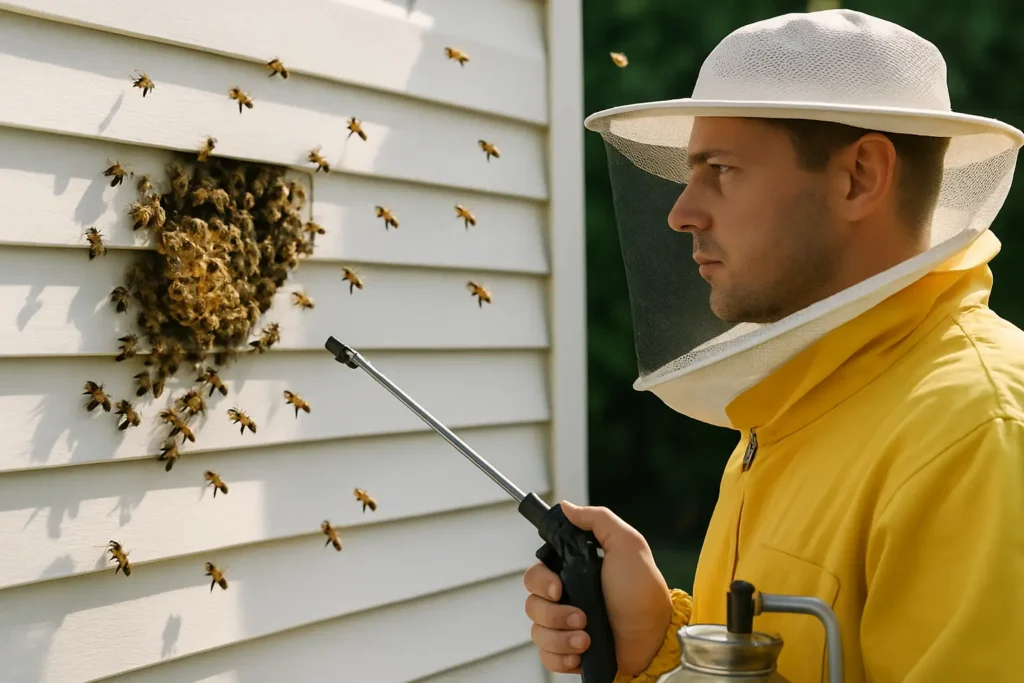
In the warm months, the buzzing of wasps can be both a sign of summer and a source of homeowner anxiety. Often mistaken for bees due to their striped appearance and tendency to invade residential areas, wasps are unique creatures with ecological roles that differ markedly from their bee counterparts. This article delves into the increasingly relevant topic of humane wasp removal services, exploring their importance, challenges, and the nuanced considerations that guide these practices.
Understanding Wasps: More Than Just a Nuisance
Wasps occupy an essential niche in the environment as predators of pest insects and as pollinators. While their ecological contributions are beneficial, their presence can pose risks, particularly to individuals with allergies or those who inadvertently disturb nests.
The Role of Wasps in Ecology
- Pest Control: Unlike their vegetarian cousins, the bees, wasps are primarily carnivorous, feasting on spiders and caterpillars that can devastate gardens and crops.
- Pollination: Certain wasp species contribute to the pollination process, albeit less efficiently than bees, supporting plant biodiversity.
The Problem with Conventional Wasp Removal
Many traditional methods of wasp removal rely on eradication through chemical sprays or traps. These methods often fail to consider the environmental impact and the intrinsic value of wasps in their ecosystems. Here’s why those approaches are problematic:
- Environmental Impact: The use of insecticides can harm non-target species, such as bees, and disrupt local ecosystems.
- Failure to Address Root Causes: Prevalent methods often overlook the need for preventive measures to stop re-infestation.
- Inhumane Practices: Indiscriminate killing negates the ethical responsibility we have towards maintaining ecological balance.
Humane Wasp Removal: What It Entails
Humane wasp removal services prioritize the safe relocation of wasps and the preventive measures needed to keep them from returning. Here are the core components of this conscientious approach:
- Assessment: A thorough evaluation of the affected area to identify the type and size of the wasp population, and to locate nests without disturbing them.
- Non-Toxic Solutions: Utilizing methods such as exclusion techniques and manual relocation without resorting to harmful chemicals.
- Preliminary Relocation: Safely capturing wasps and relocating them to more suitable, remote environments.
- Structural Integrity: Repairing entry points to prevent future invasions—particularly essential in ensuring nests aren’t built in vulnerable spots again.
The Process of Humane Wasp Removal
To effectively manage wasp populations without harm, a multi-step process is employed. Eli the Bee Guy, a leader in this field, exemplifies best practices in humane wasp removal. Here’s how such a service typically unfolds:
- Consultation and Planning
- Initial Site Visit: Expert technicians inspect the property, identifying wasp species and nesting sites.
- Customized Plan Creation: Based on inspection findings, a tailored plan is crafted that specifies removal and prevention methods.
- Safe Removal Techniques
- Physical Removal: Technicians use protective gear to physically remove nests and wasps, ensuring safety for both humans and insects.
- Alternative Relocation: Wasps are carefully transported to areas where they can contribute positively to the ecosystem without posing a threat to humans.
- Exclusion and Habitat Modification
- Sealing Entry Points: Gaps in the structure are sealed, reducing the likelihood of future nesting.
- Creating Unfavorable Conditions: Modifying the environment around your home to be less attractive to wasps, such as removing accessible food sources and reducing nesting materials.
- Follow-up and Monitoring
- Routine checks ensure wasps do not return. Necessary adjustments are made to keep properties wasp-free over the long term.
Ethical Considerations and Challenges
While humane wasp removal presents a responsible alternative, it is not without its challenges:
- Public Perception: Often, people are unaware of the benefits of wasps, leading to fear and demands for immediate eradication.
- Cost Considerations: Humane practices can sometimes be more labor-intensive and costly due to their thoroughness.
- Effectiveness: Ensuring long-term prevention requires constant vigilance and maintenance, which can be seen as a deterrent to choosing humane solutions.
What Clients Can Do: Best Practices for Homeowners
Homeowners looking to resolve wasp issues ethically can take several proactive steps:
- Education and Early Detection: Understanding wasp behavior and recognizing early signs of nesting can preempt larger issues.
- Regular Maintenance: Regular checks for structural damage and potential entry points can prevent wasps from establishing nests.
- Professional Help: Engaging services like those offered by Eli the Bee Guy ensures professional handling and ethical treatment.
The Future of Wasp Management
As awareness grows about the ecological role of wasps and the benefits of humane removal practices, the industry is witnessing a shift towards more sustainable solutions. Governments and environmental associations are increasingly advocating for non-lethal methods, underscoring a broader commitment to preserving biodiversity.
Closing Thoughts
Humane wasp removal represents a paradigm shift in pest management, prioritizing safety, ethical treatment, and environmental stewardship. As more households embrace these practices, the dream of harmonious coexistence with the natural world seems more attainable. Property owners and service providers must continue to lead with conscience, prioritizing solutions that address both their immediate concerns and the broader implications for the planet.
In choosing humane methods, homeowners not only protect their families and properties but also contribute to sustainable ecological practices that preserve one of nature’s critical contributors: the wasps.