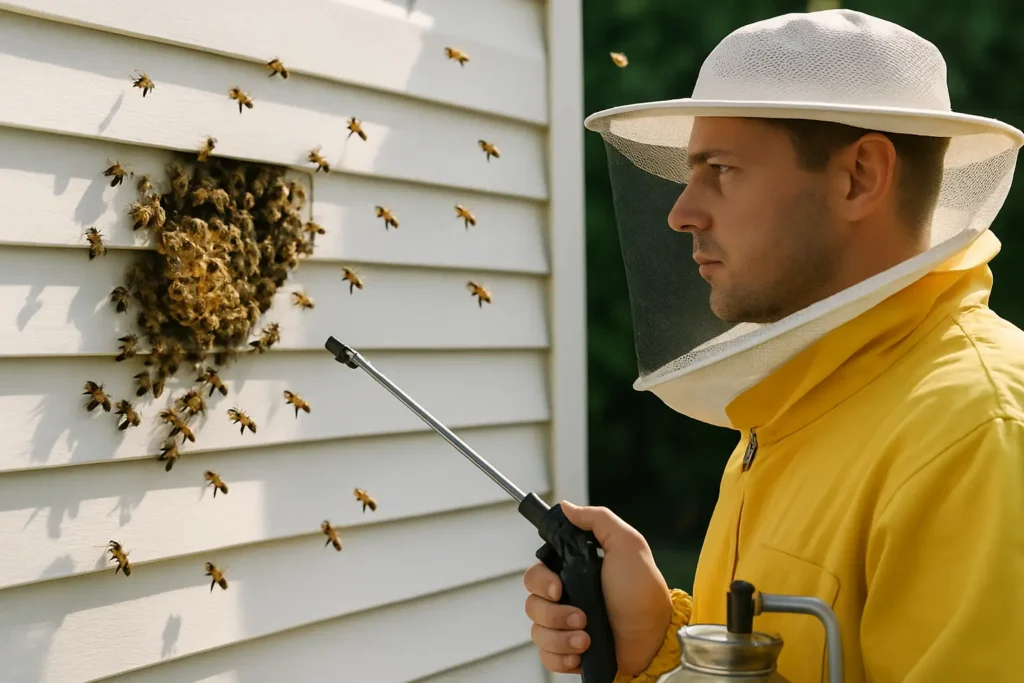
A yellowjacket problem usually announces itself fast – a sudden stream of insects at a fence line, a papery nest under the eave, or a few “scouts” nosing around your trash cans. For homeowners and property managers, the goal is simple: restore peace and home restored without turning your yard into a chemical zone or creating a bigger hazard.
This guide to humane yellowjacket control methods focuses on reducing risk to people and pets, avoiding unnecessary pesticide exposure, and choosing solutions that actually hold up over time. Yellowjackets are not honey bees, and they do not get “rescued” and relocated in the same way – but you can still handle the situation thoughtfully.
Yellowjackets vs. bees (and why it matters)
In Southern California, many calls that start as “bees” turn out to be yellowjackets. Yellowjackets are wasps. They tend to be more defensive around their nest, and they’re attracted to protein and sweet drinks, especially late summer into fall.
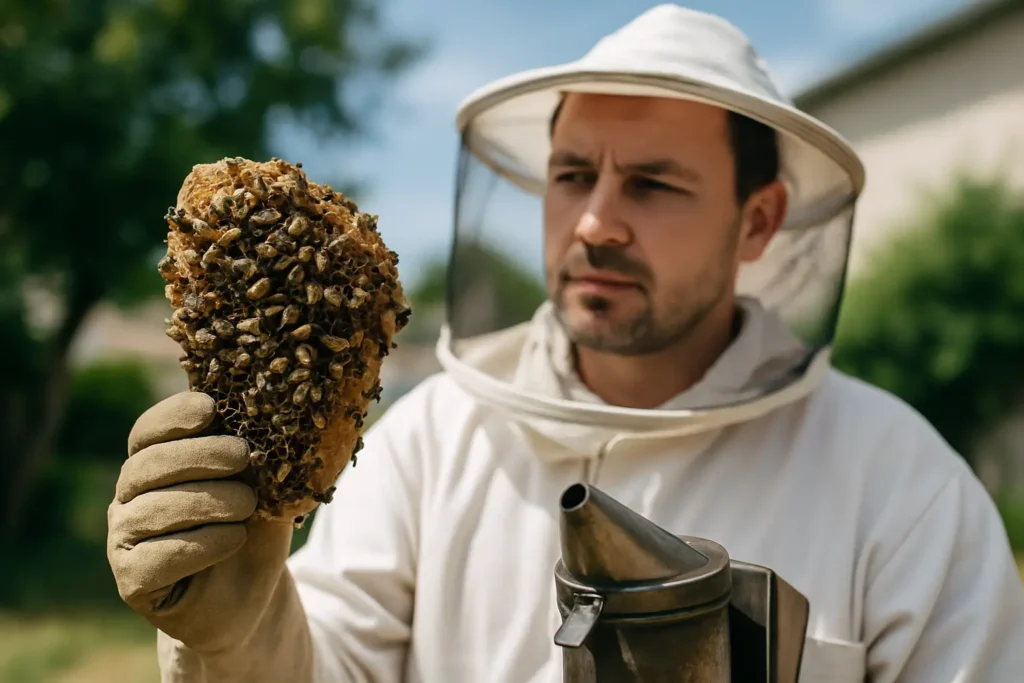
The reason identification matters is that honey bees and many native bees are pollinators with very different behavior and nesting habits. Humane practice starts with not treating every flying insect like a threat. If you’re seeing a steady line of insects entering a single hole in the ground, that often points to yellowjackets. A large cluster of insects hanging from a branch may be a honey bee swarm, which is typically manageable with live removal.
If you’re unsure, keep your distance and observe patterns. A clear “flight path” back to one entry point is useful information for control, and it reduces the chance of a panicked, rushed decision.
What “humane” means for yellowjacket control
With honey bees, humane usually means live removal and relocation. With yellowjackets, relocation is rarely practical or safe because colonies are seasonal, defensive, and not maintained by beekeepers in the same way. So humane yellowjacket control usually means:
Using the least toxic option that can reasonably solve the problem, starting with prevention and exclusion.
Reducing conflict rather than escalating it – less swatting, less blowing up a nest, less “try anything” that provokes stings.
Protecting non-target insects and animals, especially pollinators, by avoiding broad spraying and timing interventions carefully.
Being honest about trade-offs. Sometimes the most humane outcome for your household is professional removal with targeted methods rather than days of DIY attempts that repeatedly agitate the nest.
Start with safety and a quick risk check
Before you do anything else, consider the location. A nest near a doorway, play area, pool equipment, or a high-traffic walkway is a higher-risk situation than a nest at the back of a large property.
Also consider allergies. If anyone on-site has a history of anaphylaxis, treat this as urgent. Humane control includes protecting human life first. Keep an epinephrine auto-injector available if prescribed, and avoid “let’s see what happens” experiments.
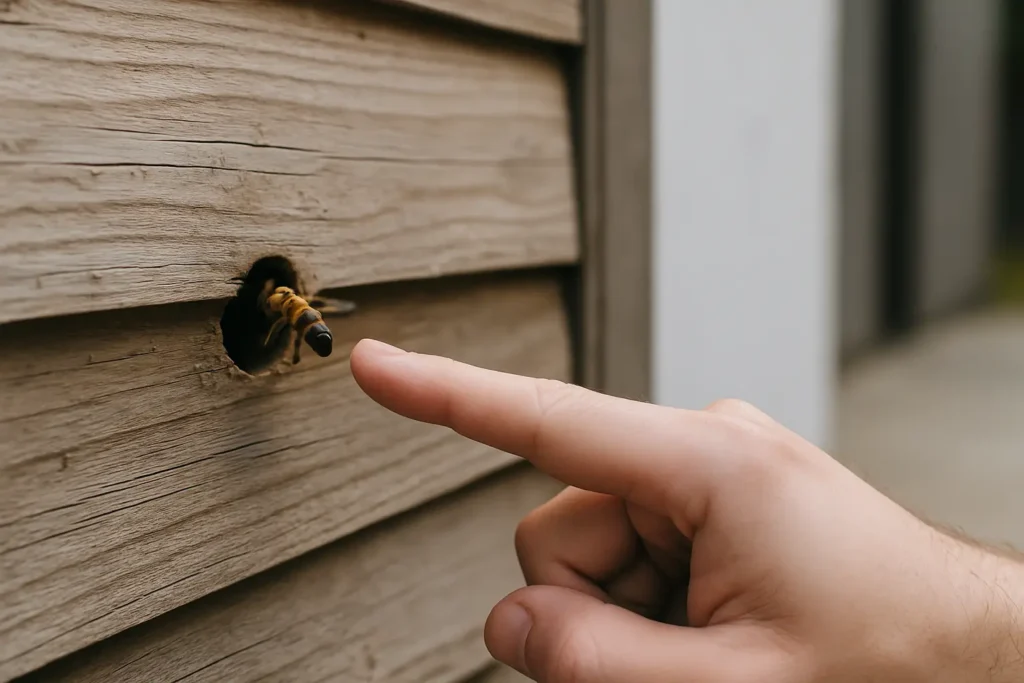
If you see yellowjackets entering a wall void, attic, or crawlspace, be careful. Attempts to block an entry hole can drive them indoors or into living spaces. That is one of the most common ways a manageable problem turns into a stressful emergency.
Guide to humane yellowjacket control methods at home
Reduce what attracts them
Yellowjackets are opportunists. If you remove easy food, you often reduce the number of foragers you’re dealing with.
Keep trash lids tight and rinse sticky containers before tossing them. If you manage a commercial property, increase dumpster area cleaning during peak season. For backyards, pick up fallen fruit quickly and keep outdoor pet food indoors.
If you’re hosting outdoors, use cups with covers and keep meats sealed until it’s time to cook. None of this eliminates a nest, but it lowers pressure and helps traps work better.
Use distance, not force
Swatting and spraying from close range tends to provoke defensive behavior. A calmer approach is to create space. Rope off the area if you can. For properties with tenants or crews, a simple temporary barrier and clear signage can prevent accidental encounters.
If the nest is in the ground, avoid mowing or edging nearby. Vibrations can trigger attacks even if you never touch the entry hole.
Try trapping thoughtfully (and at the right time)
Traps can be a humane tool when used correctly, especially for reducing foragers and protecting outdoor eating areas. Place traps away from where people gather – pulling yellowjackets toward your patio defeats the purpose.
Bait choice matters. In early to mid-season, protein-based baits can be more attractive. Later in the season, sweeter baits often perform better. Check traps regularly so they don’t become a lingering mess, and keep them away from flowering plants so you don’t accidentally catch beneficial insects.
Trapping is best viewed as pressure reduction, not a stand-alone cure for a nest that’s already established near the home.
Exclusion and sealing (only when the timing is right)
If yellowjackets are entering a structure, the humane goal is to stop re-entry without trapping insects inside walls where they can die and create odor issues.
When there is confirmed activity in a wall void, sealing immediately can backfire. This is a “it depends” situation that often calls for professional assessment. After the nest is inactive, repairing gaps, screens, and entry points helps prevent a repeat.
For ground nests, avoid filling holes while there is active traffic. Soil and debris can redirect them to surface exits closer to people.
Choose low-impact interventions over broad spraying
Many over-the-counter aerosols rely on broad insecticides and encourage close approach. From a humane and safety standpoint, broad spraying is rarely the best first move, especially around kids, pets, gardens, or water features.
If you do use any product, prioritize targeted application, follow label directions exactly, and time it to reduce risk to non-target insects. Evening tends to be calmer because more yellowjackets are in the nest, but the main point is to avoid daytime attacks and avoid drifting chemicals.
If you find yourself needing multiple applications, that’s usually a sign the plan isn’t working – and repeated disturbance can increase defensive behavior.
Situations where DIY is not the humane choice
There’s a point where “humane” means not escalating the danger. Consider stepping back and calling a professional if:
The nest is inside a wall, attic, or soffit.
You cannot locate the nest but yellowjackets are consistently present indoors.
The nest is near a high-traffic area and you can’t reliably keep people away.
You’ve already been stung, or the colony reacts strongly when you’re not even close.
A property manager is dealing with repeated complaints and needs a solution that protects tenants and staff.
Professionals can use targeted methods, proper protective gear, and a plan for repairs or exclusion so the issue doesn’t return in the same spot.
Preventing yellowjackets next season
Prevention is where humane control shines. If you reduce nesting opportunities and food attractants early, you often avoid peak-season crises.
In late winter and spring, walk the property and look for gaps in vents, damaged screens, and openings around utility lines. Keep eaves and soffits in good repair. For commercial sites, make dumpster enclosures easier to clean and keep lids functional.
Also pay attention to irrigation and soil voids. Ground nests often start in existing cavities. You don’t need to sterilize your yard, but you can limit the obvious ready-made homes.
If you typically see yellowjackets every year, early-season monitoring helps. Fewer workers early can mean fewer conflicts later.
A note on bees, wasps, and choosing the right help
If what you have is actually honey bees or a swarm, humane live removal and relocation is the right path, and it protects pollinators while solving the safety issue. If you’re in Southern California and you need help confirming what you’re seeing, Eli the Bee Guy can advise on bee situations and next steps with an ethical, safety-first approach at https://elithebeeguy.com/.
For yellowjackets specifically, the best providers will talk you through risk, timing, and prevention rather than selling a quick spray-and-go.
Closing thought
When yellowjackets move in, it’s tempting to treat it like a battle. A calmer plan usually works better: identify what you’re dealing with, reduce the reasons they’re hanging around, and choose the least aggressive fix that genuinely protects the people who live and work there.