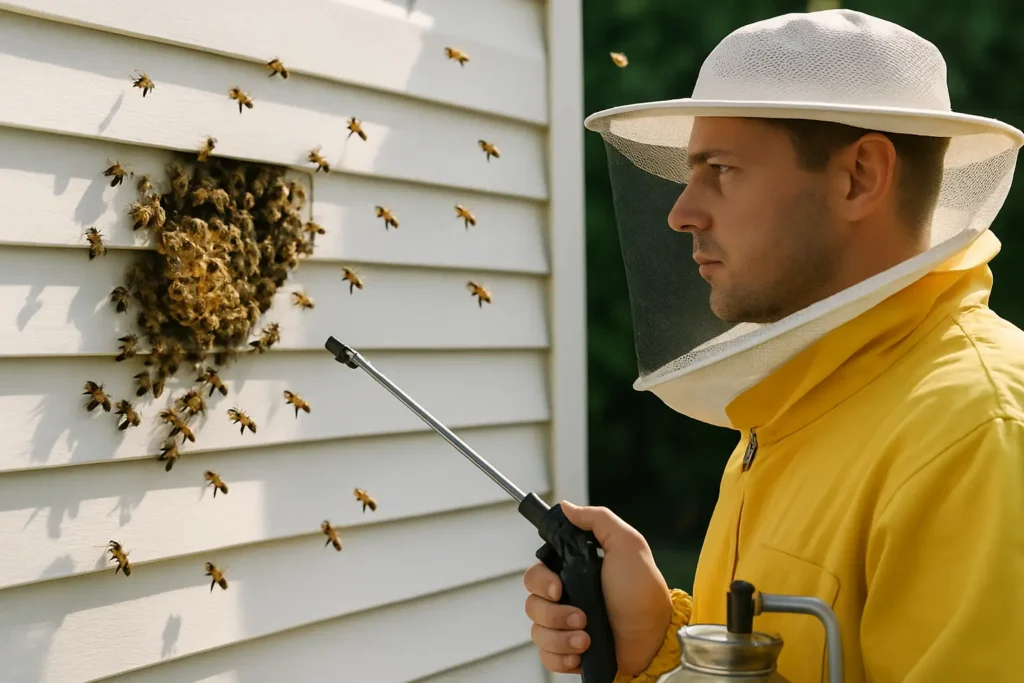
Queen Bee in Your Home? A clear, humane guide for Southern California homeowners
Finding a queen bee inside your house can be unsettling. Knowing how to tell a queen from other bees, what to do right away, and the humane removal options available will keep your family safe and protect the colony when possible. This comprehensive guide, informed by the expertise of Eli the Bee Guy, a trusted name in Southern California for humane bee removal, walks you through identification, immediate steps, and prevention, and explains careful relocation services.
How to spot a queen bee inside your home
Being able to recognize a queen matters if a bee ends up indoors. Queens are larger than workers, though usually smaller than drones, and they show several visual and behavioral clues that help you tell them apart from other bees.
What physical traits should you look for?
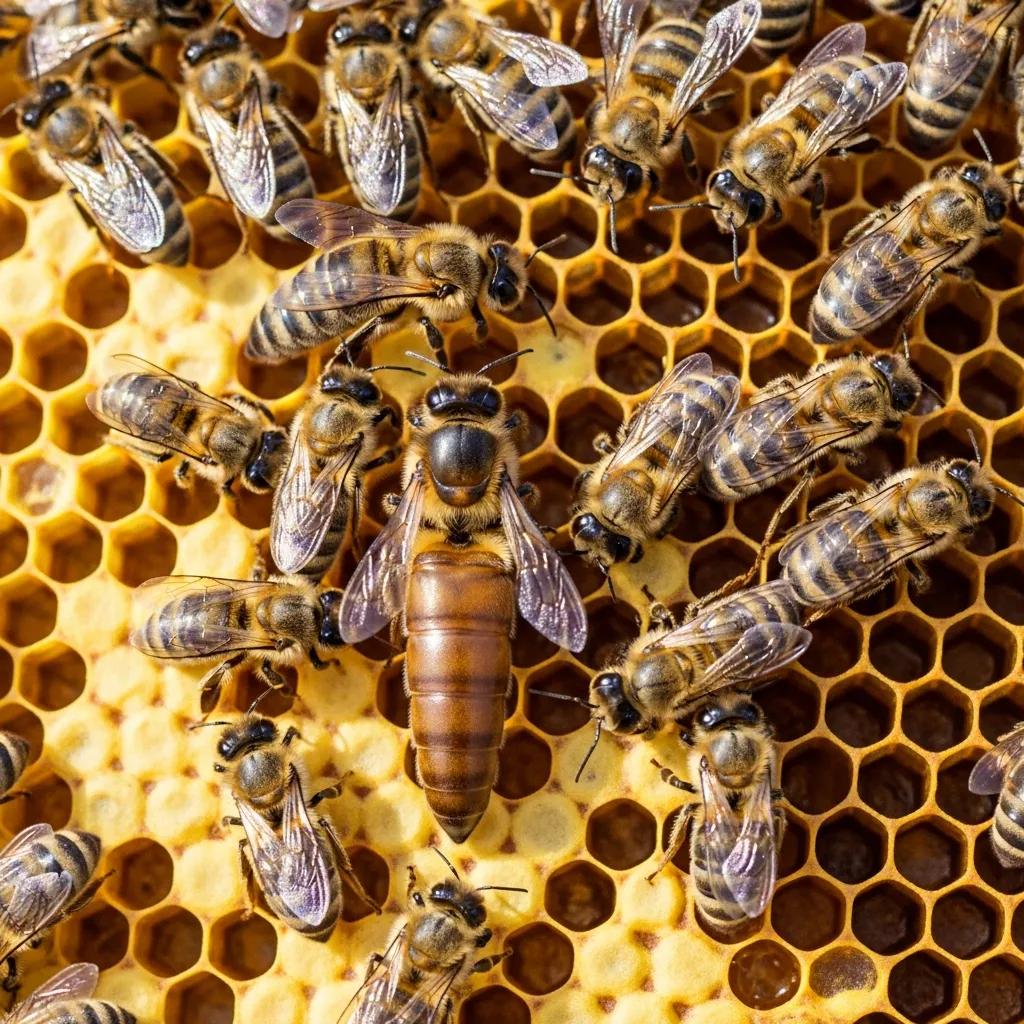
Look for these identifying features:
- Size and shape: Queens are noticeably larger than worker bees — roughly 1.25 to 1.5 times the length — with a longer, more tapered abdomen built for laying eggs.
- Color and markings: A queen’s abdomen is often smoother and slightly lighter or more golden than workers, which can stand out at a glance.
- Behavior: Queens don’t forage. If a bee stays in one area or is attended by others, it’s a clue you may be looking at the queen.
Spotting these signs will help you decide the safest next steps.
What to do immediately if you find a queen bee indoors
If a queen bee appears inside your home, quick, calm action reduces risk and keeps the situation under control. Follow these basic steps before calling for help.
Staying safe around a queen bee
- Stay calm: Slow movements and quiet behavior reduce agitation. Panic or flailing can provoke defensive responses.
- Give it space: Keep a respectful distance and move people and pets out of the room if you can.
- Contain the area: Close doors and, if possible, open a nearby window so the bee can leave on its own while it’s less likely to fly deeper into the house.
These simple precautions buy you time while you assess whether this is a lone bee or something more serious.
When you should call a professional
- Signs of a colony: Multiple bees, returning traffic, or visible comb means there’s likely a hive nearby and professional help is recommended.
- DIY risks: Trying to remove a queen or hive without experience can trigger aggressive behavior and create more danger.
- Why hire a pro: Engaging a professional bee removal service ensures humane handling, reduces property damage, and protects people and pets.
Knowing when to escalate to an expert keeps everyone safer and increases the chance the colony can be preserved.
What does humane queen bee removal look like in Southern California?
Humane removal focuses on relocating bees rather than exterminating them. Understanding the steps used by experienced teams helps homeowners feel confident about the process.
How Eli the Bee Guy removes and relocates queen bees
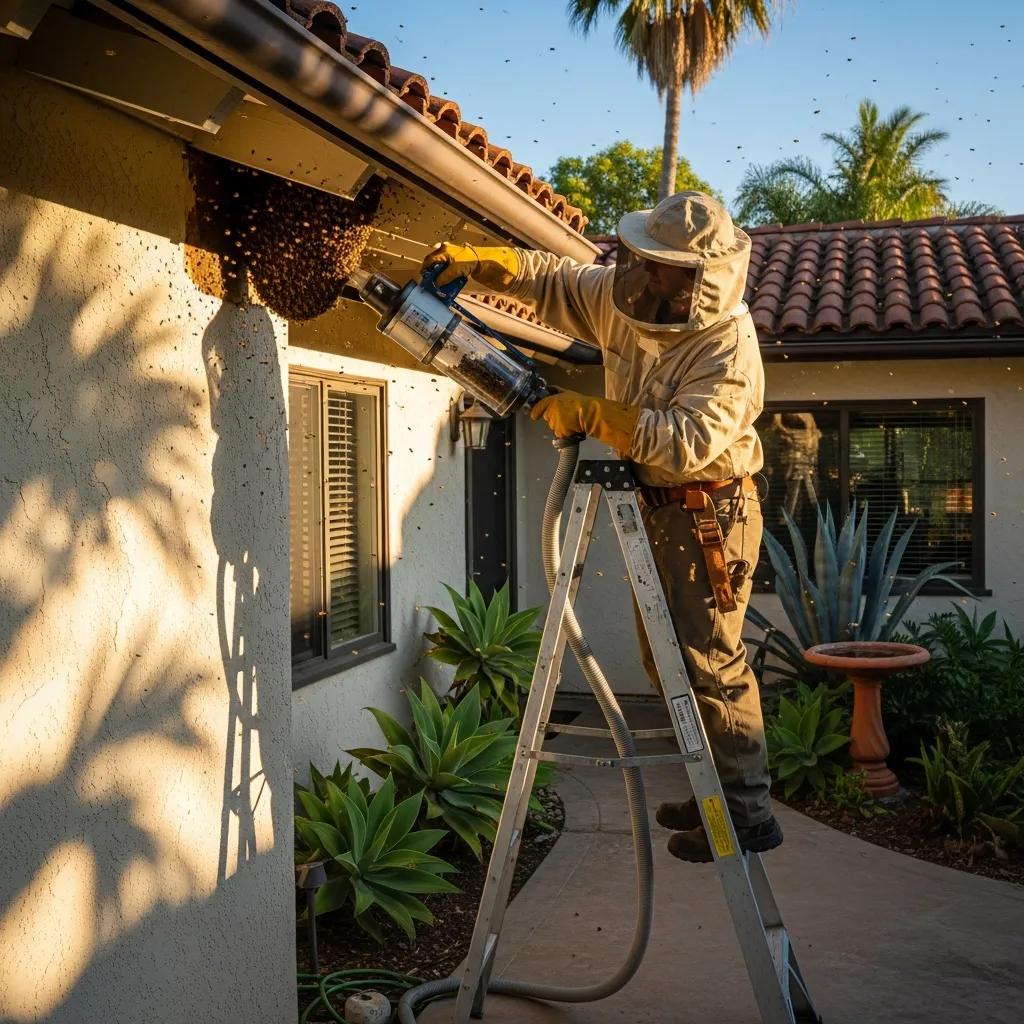
- Inspection and assessment: We perform a careful inspection to find the queen, map the hive, and determine the best removal plan with minimal disturbance.
- Hive extraction techniques: Using specialized tools and methods, the team removes comb and bees safely, prioritizing the colony’s health and limiting harm to your property.
- Relocation methods: Bees are transported to a suitable, protected site where they can thrive, supporting local conservation efforts.
This approach balances homeowner safety with respect for the bees.
Commercial properties and businesses in Southern California may face larger or harder-to-access infestations. Professional teams are prepared to handle these safely and discreetly to keep operations—and people—running smoothly. Learn more about our work with businesses here.
What about repairs and cleanup after removal?
- Sealing entry points: We recommend closing gaps, vents, and holes that allowed bees to enter to prevent repeat visits.
- Cleaning hive remnants: Removing wax, comb, and honey eliminates odors and pheromones that could attract new swarms.
- Ongoing prevention: Routine checks and timely repairs reduce the chance a new colony will take hold.
Post-removal care protects your home and lowers the chance you’ll see bees return.
The Ecological Significance of Bees in Southern California
Southern California’s diverse ecosystems rely heavily on pollinators, with bees playing a critical role in the reproduction of many native plants and agricultural crops. According to the California Department of Food and Agriculture, honey bees alone contribute billions of dollars annually to the state’s economy through pollination services. Protecting these vital insects, even when they nest in inconvenient locations, is not just an ethical choice but an ecological imperative. Humane removal ensures these essential pollinators continue their work, supporting biodiversity and local agriculture.
How to prevent future queen bee infestations in your home
Prevention is mostly about removing access and making your property less attractive for nesting. A little maintenance goes a long way. For more information, visit about us.
Effective bee-proofing tips for Southern California homes
- Seal gaps and cracks: Inspect eaves, vents, foundation lines, and rooflines; seal openings larger than a pencil width.
- Use natural deterrents: Scents like peppermint oil can discourage bees from settling near entry points without harming pollinators.
- Schedule regular inspections: Check attics, wall voids, and crawlspaces seasonally so you catch activity before it becomes a problem.
These steps reduce the chances of a queen choosing your home as a nesting site.
Maintenance habits to keep bees from nesting
- Regular property checks: Walk your property in spring and summer to spot early bee activity, especially in sheltered areas.
- Landscaping considerations: Keep shrubs and vines trimmed away from siding and avoid planting dense, bee-attracting blooms right next to entry points.
- Seasonal upkeep: Before warm months, reseal gaps and repair damaged soffits, fascia, and roofing where bees commonly enter.
Consistent care is the best long-term defense against colonies moving in.
| Removal step | What it means | Why it matters |
|---|---|---|
| Inspection and assessment | Thorough check of the property to locate the queen and hive | Ensures the removal plan is accurate and safe |
| Hive extraction techniques | Specialized tools and methods used to remove the hive | Minimizes harm to the bees and your home |
| Relocation methods | Transporting bees to a suitable new environment | Supports bee conservation and local ecosystems |
Why Trust Eli the Bee Guy for Humane Bee Removal?
Choosing a professional for bee removal is a decision that impacts both your property and the local ecosystem. Eli the Bee Guy stands out in Southern California for a commitment to ethical practices, deep local knowledge, and proven expertise.
- Certified Expertise: Our team comprises trained and experienced bee specialists, well-versed in bee biology and safe handling techniques specific to Southern California’s diverse bee populations.
- Humane & Sustainable Practices: We prioritize the health of the colony, ensuring safe relocation to local apiaries or natural habitats where they can continue to thrive.
- Local & Responsive Service: As a Southern California-based service, we understand the unique challenges and urgency of local bee encounters, offering prompt and effective solutions.
- Comprehensive Solutions: From initial inspection to post-removal repairs and prevention, we offer a complete service to ensure long-term peace of mind.
In short, learning to identify a queen bee, taking calm immediate steps, and choosing a humane removal option gives Southern California homeowners the best chance to protect their families and the bees. Follow these guidelines and keep up preventive maintenance to keep your home safe and bee-free.