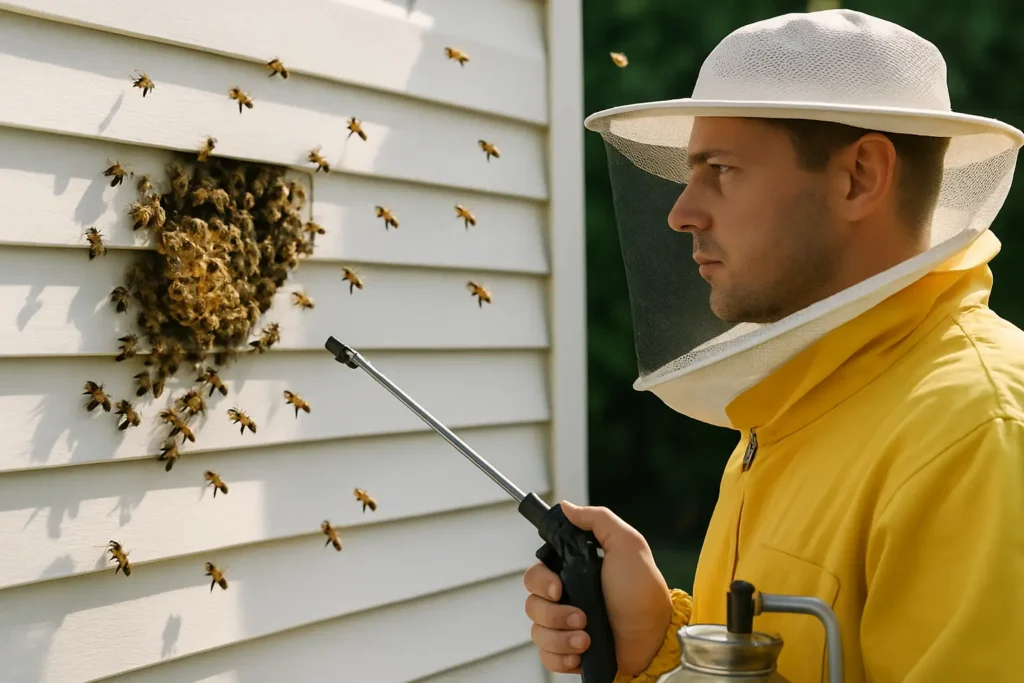
How to Spot a Hidden Hive Early — before it becomes a costly problem
A hidden hive is a colony nesting inside a wall, attic, chimney, or other structural cavity where comb, honey, and bees stay out of sight but remain active. Finding a hive early saves money, limits damage, and protects the bees. This guide shows how hidden hives form, why bees choose cavities, and what homeowners should watch for so a small problem doesn’t become a big one.
Benefits of Early Bee Hive Detection
- Saves money on extensive repairs.
- Limits structural damage to your property.
- Protects the bees by allowing humane relocation.
- Reduces overall repair costs.
- Avoids secondary pest issues.
- Preserves beneficial bee populations.
You’ll learn to read audible clues like steady buzzing and subtle vibrations, spot visual signs such as honey stains and flight lines, and interpret smells — sweet or musty — that point to leakage or decay. The article also walks through quick home checks, triage steps to keep people safe, and when tools like thermal imaging make a professional inspection the right call. Keep these detection tips in mind to reduce repair costs, avoid secondary pest issues, and preserve beneficial bees while you prepare to call a trained technician if needed.
What Are the Most Common Audible Signs of a Hidden Bee Hive?
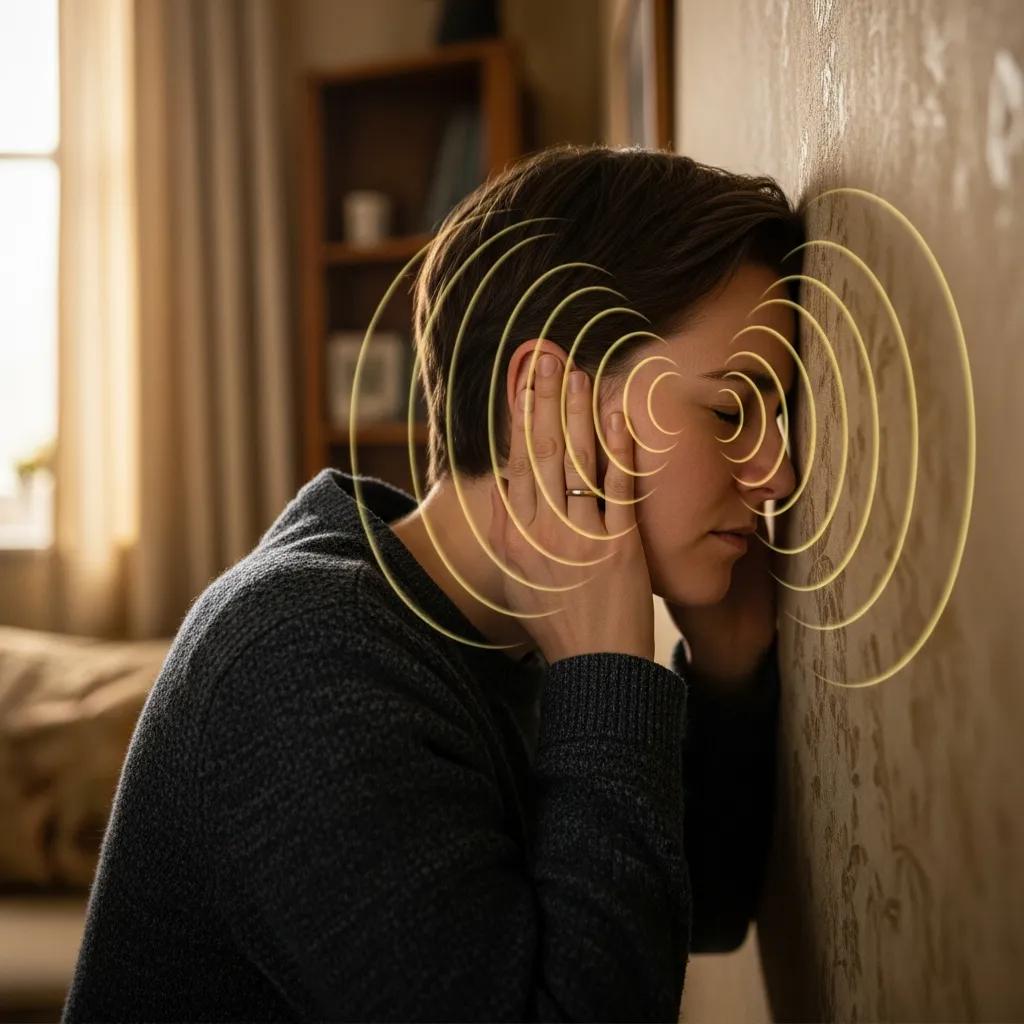
Sound is often the first clue because noise carries through cavities more clearly than open air. Listen for a steady, low hum or persistent daytime buzzing focused on one wall, ceiling, or chimney — that pattern usually means regular foraging and brood activity rather than a passing swarm. Bees vibrating inside a void create a resonant hum that can amplify across drywall and rafters; using that resonance helps you zero in on the likely location. Do simple, cautious, non-invasive checks and note where and when the sound happens. Consistent daytime buzzing that grows louder in warm weather is a strong sign of an active hive.
Quick checklist — what to listen for before you call a pro:
- Persistent buzzing focused on a single wall or ceiling during daylight, repeating over several days.
- A noticeable change in volume or tone when you press a glass cup lightly to the wall and listen.
- Intermittent piping or higher-pitched chirps that can signal crowded cells or swarming preparations.
These simple listening checks help you prioritize urgency and collect photos or short audio clips to share with a professional — which speeds diagnosis and improves safety when experts arrive.
Audible Indicators of a Hidden Bee Hive
| Audible Indicator | Characteristic | Urgency |
|---|---|---|
| Persistent daytime hum | Low-frequency, continuous during daylight | High — likely an active colony |
| Piping or high-pitch bursts | Short, sharp vibrations from crowded brood | Medium — watch for escalation |
| Localized cavity resonance | Sound louder near eaves or attic junctions | High — indicates containment in a void |
How Can Buzzing Sounds Indicate Bees in Your Walls?
Buzzing that’s strongest at a structural joint or opening usually means bees are clustered and moving inside a cavity, producing an amplified hum. Bee activity follows daily cycles: foraging and flight are busiest in warm daylight, so a steady daytime buzz often points to an established colony rather than a transient swarm. For a quick home check, cup your palm near the area or press a glass lightly against the wall to find the loudest spot — but don’t cut into walls or use noisy tools. A short phone recording can be very helpful; note whether the noise repeats across days. That record speeds professional triage and reduces unnecessary invasive inspections.
Research shows honey bees pick nest sites carefully, and cavity volume is an important factor. Colonies tend to prefer cavities within a certain size range and will reject options that are too small or too large.
Honey Bee Nest Cavity Volume SelectionMeasurement of nest cavity volume by the honey bee (Apis mellifera), T. Seeley, 1977
- Honey bee swarms exercise considerable care when selecting a nest site; one variable scouts evaluate is cavity volume.
- Natural nest volumes vary widely (12 to 4431 observed), but most fall in the smaller range; many clustered examples sit between roughly 20 and 100 units, with a modal volume reported near 351. This pattern reflects active volume selection by swarms, which tend to reject cavities that are clearly undersized or oversized.
- Scouts can discriminate between cavity sizes to a limited extent — about a 15% difference in cube edge length in experimental tests.
- A scout’s inspection of a potential nest lasts around 40 minutes and consists of many brief checks inside and outside the cavity. While inside, a scout walks rapidly along interior surfaces, progressing from near the entrance to deeper regions and sampling different areas over repeated inspections.
- Bees can estimate cavity volume when either the interior is at least dimly lit or the surfaces are fully traversable by walking. In natural settings the light is usually low, so walking behavior appears critical to volume perception.
What Other Noises or Vibrations Suggest a Hidden Bee Colony?
Besides a steady hum, listen for wing‑beat vibrations, intermittent piping or chirps, and rolling structural vibrations when bees bunch or agitate in tight comb spaces. Wing-beat sounds are higher and faster, while mass movement creates a deeper, rolling vibration you might feel in rafters or plaster. These differences help distinguish bees from rodents, plumbing, or HVAC noise. If vibrations line up with visible flight lines or smells, treat the combination as a clear sign to avoid DIY probing — cutting into walls without a plan can provoke bees and make repairs harder. When you notice multiple indicators together, call a professional rather than attempting removal yourself.
How Do You Identify Visual Clues of a Hidden Bee Infestation?
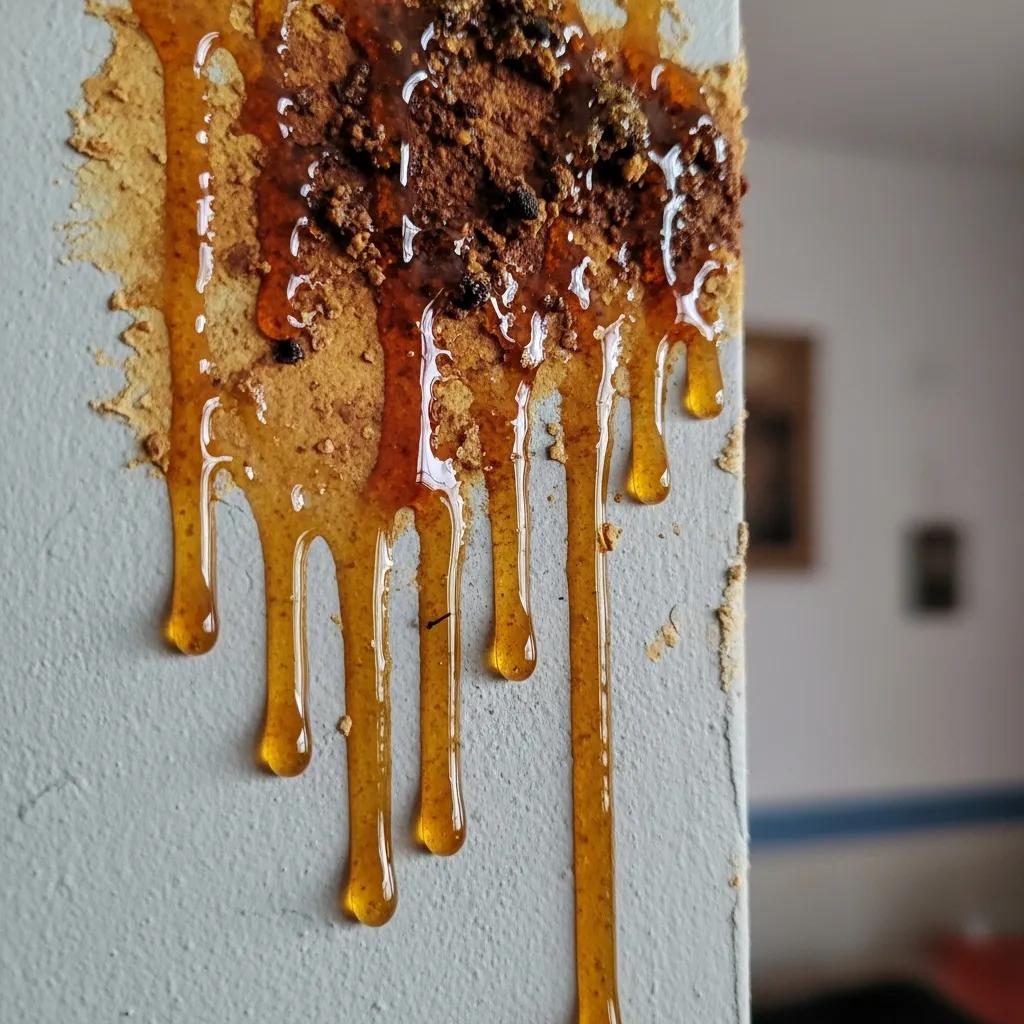
Visual clues often confirm what your ears suggest: bees use predictable entry points and leave residues like honey stains, propolis marks, and concentrated flight lines near an opening. Increased bee traffic near a single spot, sticky yellow‑brown streaks on eaves or ceilings, and dark propolis deposits around vents or soffits are strong indicators of internal comb. These signs occur because bees expand comb inside cavities and sometimes carry honey or propolis outward. Photograph stains, holes, or flight lines from a safe distance and note peak activity times — those records help pros decide whether thermal imaging or a full inspection is needed.
Common exterior entry points and what they typically reveal:
- Eaves and soffits: small gaps or dark stains near joints, suggesting comb behind roof cavities.
- Vents and exhaust outlets: poorly sealed vent caps or chimney crowns often become access points.
- Cracks around windows, siding seams, and fascia: repeated bee traffic and propolis buildup mark established access.
After you document these spots, resist sealing or stuffing holes right away; trapping bees inside can raise pressure in the cavity and increase the risk of honey leakage and structural damage.
Typical Bee Entry Points and Visual Cues
| Entry Point | Visual Cue | Likely Condition |
|---|---|---|
| Eaves/soffits | Yellow‑brown streaks or sticky residue | Comb directly behind eaves |
| Chimney/vent | Concentrated propolis around the opening | Nesting in the chimney flue or chase |
| Siding seams | Small entry hole with a clear flight line | Wall cavity hive access |
Where Are Typical Bee Entry Points Around Your Home?
Bees prefer small, dry cavities protected from weather, so common entry points include gaps in eaves, loose shingles in valleys, open or damaged vents, chimney crowns, and voids behind siding or trim. These spots provide stable temperatures for brood and shelter from rain and predators. Inspect visually from ground level or an attic hatch — do not probe openings — and photograph flight lines and residue patterns to aid a safe assessment. Recording exact entry locations and activity times helps technicians plan a humane, non‑destructive removal and reduces unnecessary wall openings.
What Do Honey Stains, Propolis, and Bee Swarms Look Like?
Honey leakage appears as sticky yellow‑brown stains that darken with age and attract ants or flies; propolis looks like darker, resinous streaks near openings or under eaves. Swarms hanging on branches, rails, or close to a structure form dense, moving clusters that may point to a nearby established hive if they persist or recluster. Photograph stains or swarms without disturbing them and note whether stains are fresh and tacky — fresh leakage usually indicates active honey stores and a higher chance of rapid escalation. Those images help professionals determine whether bees can be removed and if comb can be salvaged for an apiary.
Visual Signs and Their Implications
| Visual Sign | Appearance | Urgency/Action |
|---|---|---|
| Honey Stain | Yellow‑brown, sticky, darkening over time | High — risk of mold and pest attraction |
| Propolis Deposit | Dark, resinous streaks near openings | Medium — shows regular bee traffic |
| Persistent Swarm | Dense, hanging cluster near the structure | High — search for a nearby hive |
What Are the Distinct Smells That Reveal a Hidden Bee Hive?
Scent adds another diagnostic layer: fresh honey and wax give off a sweet, floral aroma that signals active leakage, while musty or fermenting smells point to older honey breakdown, mold growth, or dead comb. Decomposition and fermentation occur when honey is exposed to moisture, producing sour, musty odors that attract secondary pests like ants and rodents. If a sweet smell is strongest near an attic or wall, pair that cue with buzzing or stains to confirm urgency; foul or persistent odors mean decay that can quickly affect insulation and framing. Don’t cut into walls chasing smells — document the location and timing, then share that information with a professional for a targeted evaluation.
Olfactory checklist before you act:
- Sweet, honey‑like aroma near ceilings or attics: suggests fresh leakage and active stores.
- Musty, sour, or fermented scents: suggest older leakage, mold colonization, and pest attraction.
- Foul, decaying smells: may signal dead bees or advanced contamination needing immediate cleanup.
These scent clues refine urgency and should be relayed precisely to inspectors so they can plan safe, efficient remediation.
How Does the Sweet or Musty Smell Signal a Bee Infestation?
A sweet, waxy scent usually means recent honey or wax exposure and an active colony storing nectar; the smell gets stronger in warm weather as volatiles intensify. A musty or sour odor usually comes from honey fermentation or mold when moisture reaches the comb, raising structural and health concerns. Knowing which scent you detect helps prioritize the response: sweet smells with buzzing suggest humane relocation planning, while musty or foul odors call for containment and cleanup to prevent mold spread. Always document scent details and pair them with visual and audible evidence before any invasive work.
When Should You Be Concerned About Unusual Odors in Your Walls?
Persistent or strong odors that don’t dissipate with ventilation are red flags for deeper contamination — honey‑saturated framing, insulation colonized by mold, or dead bees — all of which increase repair costs and health risks. If smells line up with stains, insect activity, or dampness, treat the situation as urgent and avoid DIY demolition that can release spores or provoke bees. Instead, get a professional inspection using non‑invasive tools like thermal imaging to pinpoint the source and plan controlled access. Quick action limits mold spread, reduces insulation replacement, and lowers the chance of attracting secondary pests that complicate cleanup.
Why Is Early Detection of Hidden Bee Hives Crucial for Your Property?
Early detection prevents cascading damage. Honey and comb inside walls can ferment, promote mold, soak insulation, and add weight that warps framing and plaster. That mechanical and biological damage often means larger repairs: saturated drywall, soiled insulation, and contaminated timber typically require multi‑trade remediation that costs far more than a timely hive removal. Early removal also cuts the chance of secondary pests — ants, rodents, and other insects — following honey into new entry points, and it reduces electrical risks if honey reaches wiring or junction boxes. Detecting a hive early preserves salvageable materials, shortens cleanup time, and lowers overall restoration costs while allowing humane relocation of bees whenever feasible.
Consequences of Undetected Bee Hives
| Damage Type | Consequence | Typical Repair |
|---|---|---|
| Honey leakage | Mold growth, staining, insulation contamination | Replace drywall and insulation |
| Wax and comb weight | Sagging ceilings, joist stress | Structural reinforcement or repair |
| Contamination | Secondary pests and persistent odors | Cleanup, pest control, sanitation |
This guide focuses on homes, but businesses and commercial buildings face the same risks from hidden hives. Early detection and professional removal are just as important for commercial properties to avoid structural damage, protect customers and staff, and prevent operational disruption. For larger structures, consider specialized commercial bee removal services.
Next Steps: What to Do When You Suspect a Hive
Recommended Actions
- Listen for persistent buzzing or humming.
- Photograph any visual signs like stains or flight lines.
- Note any sweet, musty, or foul odors.
- Document the location and timing of observations.
- Contact a professional for a safe and humane inspection.
Critical Actions to Avoid
- Do not cut into walls or use noisy tools.
- Resist sealing or stuffing entry holes.
- Do not probe openings or disturb the hive.
- Avoid DIY demolition or removal attempts.
- Do not spray pesticides or harmful chemicals.
Ready for a Professional Bee Hive Inspection or Removal?
If you see these signs and want a professional inspection or humane removal, Eli the Bee Guy offers inspections, safe extraction, relocation to an apiary, and post‑removal cleanup and repairs. We provide free inspections and quotes and offer same‑day or 24/7 emergency service when needed. Eli prioritizes humane, eco‑friendly relocation by a trained beekeeper and handles cleanup and repairs to limit long‑term damage.
Your trusted partner for humane bee removal and property protection.