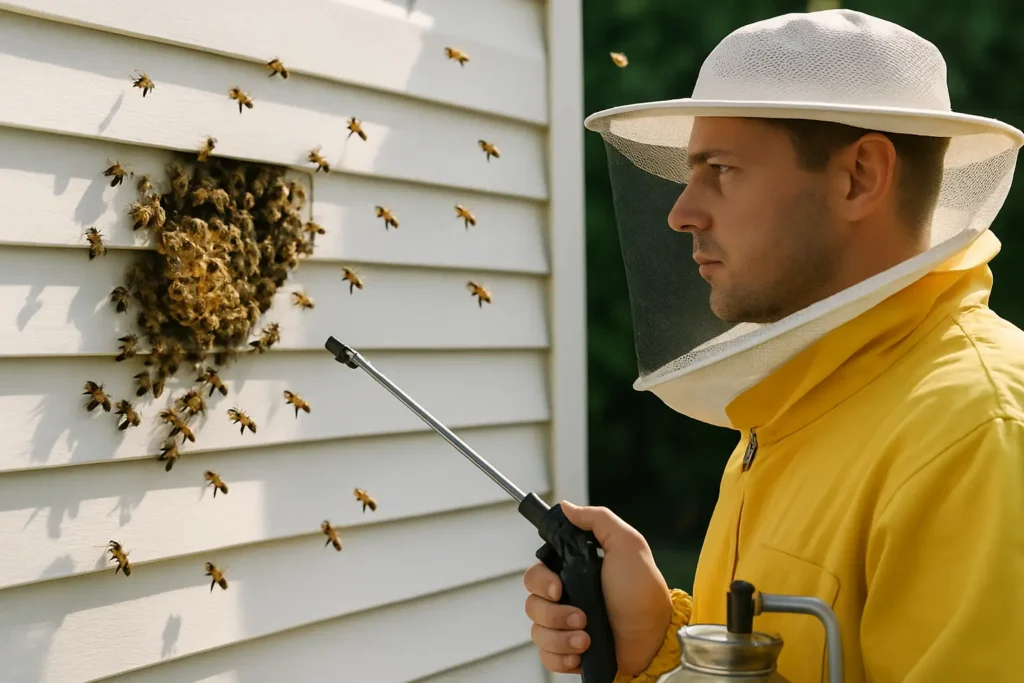
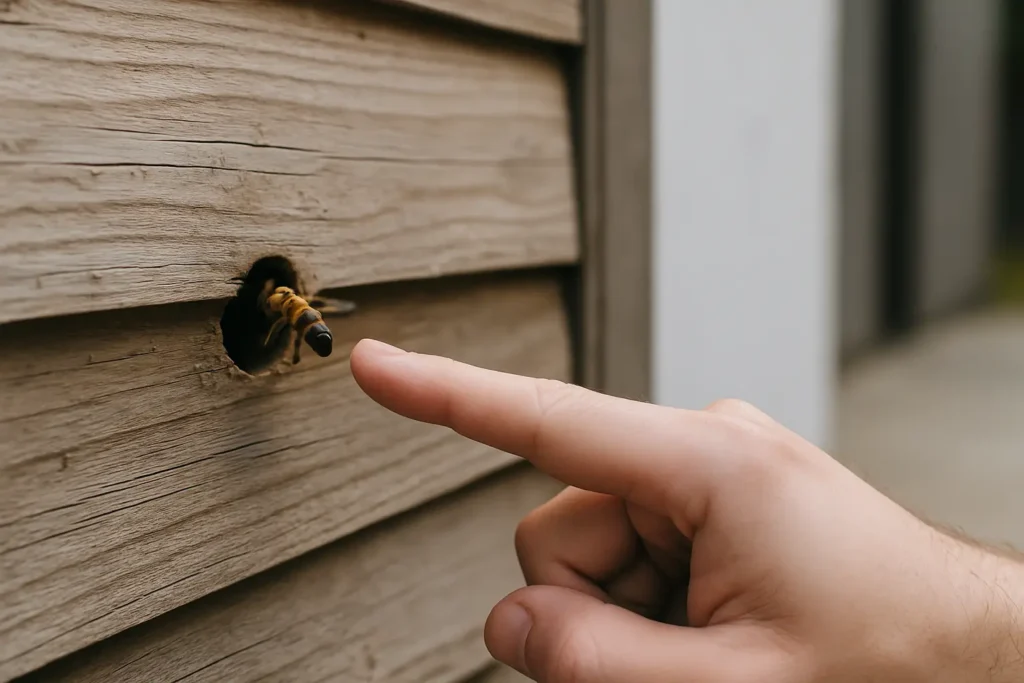
The call usually comes after the first close encounter – a swarm in the tree by the driveway, bees slipping in and out of a roofline crack, or a wasp nest that seems to appear overnight. Most people are not looking for a “spray and pray” fix. They want their home safe again, and they want to handle the situation without making the yard feel like a chemical zone.
That is exactly where sustainable pest management practices shine. They focus on solving the reason pests showed up in the first place, using the least harmful methods that still protect people. For homeowners and property managers in Southern California, this approach is not just a feel-good idea. It is often the only way to get peace and home restored without creating new problems for pets, landscaping, and beneficial insects.
What “sustainable” really means in pest control
Sustainable pest management practices are not the same thing as “never using pesticides.” They are about restraint, precision, and long-term prevention. The goal is to reduce harm to non-target wildlife (including pollinators), protect indoor air quality, and avoid repeating the same treatment every few weeks.
In practice, that means you start with inspection and identification, then reduce access to food, water, and shelter. You use mechanical and physical controls first (repairs, screens, trapping when appropriate), and only then consider targeted treatments – chosen carefully and applied in the smallest effective amount.
There is also an honest trade-off here: sustainable methods often take more thinking and better workmanship. Spraying is fast. True prevention takes follow-through.
Why pests keep coming back in Southern California
Our climate is a big part of the story. Mild winters and long warm seasons allow many species to stay active for more months of the year. Add drought cycles, irrigated landscaping, and dense neighborhoods, and you get reliable food and water sources for insects, rodents, and birds.
Bees and wasps also respond quickly to available shelter. A gap under a tile, an opening in fascia boards, or an unsealed vent can become a perfect entry point. If the structure stays inviting, another colony or nest can move in even after an earlier one is removed.
Sustainable pest management practices treat your home like a system. If the system stays open, the problem returns.
Start with identification, not assumptions
If you only remember one principle, make it this: the right solution depends on what you are dealing with.
Honey bees, bumblebees, yellowjackets, paper wasps, and mud daubers all behave differently. A swarm resting on a branch is typically temporary and may move on. A steady stream of bees going into a wall or roof indicates an established colony. Yellowjackets can be aggressive, especially late summer and fall, and nests may be underground or tucked into cavities.
Misidentification leads to the most common mistakes: using the wrong method, damaging the structure while trying to “reach” the nest, or harming beneficial insects that are not the problem.
If stings are a medical risk in your household or workplace, identification and response timing matter even more. Safety comes first, and a sustainable approach never asks you to gamble with anaphylaxis.
The sustainable hierarchy: prevention beats treatment
Sustainable pest management practices are easiest to understand as a hierarchy. You do the least disruptive things first, and you only escalate when necessary.
Exclusion is the real “permanent solution”
Exclusion means physically preventing entry, and it is the reason some properties stop having repeat issues.
For stinging insects, this often involves sealing gaps in eaves and fascia, screening vents properly, repairing soffit returns, and addressing wood rot or warped trim that opens new cracks. Around commercial buildings, it can also include door sweeps, tighter dumpster enclosures, and better sealing around conduit and utility penetrations.
Exclusion has an upfront cost, but it pays back by reducing the chance of re-occupation. If you remove bees from a cavity but leave the entry point open, the address remains on the map.
Sanitation and habitat tweaks reduce pressure
A lot of pest activity is simply a response to easy resources.
For ants and roaches, that means cleaning grease, sealing pantry goods, and fixing moisture issues under sinks. For rodents, it means controlling food waste, securing feed or bird seed, and reducing harborage like dense groundcover against the foundation.
For wasps and yellowjackets, it can be as simple as managing outdoor food sources, keeping trash lids tight, and cleaning up fallen fruit. None of these steps are dramatic, but they reduce the constant pressure that forces you into repeated treatments.
Mechanical controls: simple, effective, and low-impact
Mechanical controls include removing a visible nest when it is safe to do so, using appropriate traps in the right locations, and using physical barriers.
The nuance is that traps can help or harm depending on timing and placement. Trapping yellowjackets near patios in peak season can reduce nuisance activity, but poorly placed traps can draw more insects into a high-traffic area. Sustainable pest management practices use tools with intention, not as a one-size-fits-all trick.
Bees: humane removal is part of sustainability
Bees are not “just another pest.” They are essential pollinators, and in many situations they are not aggressive unless threatened. When bees choose a structure, though, the risk to people and the building becomes real.
A sustainable approach to bee problems has three parts.
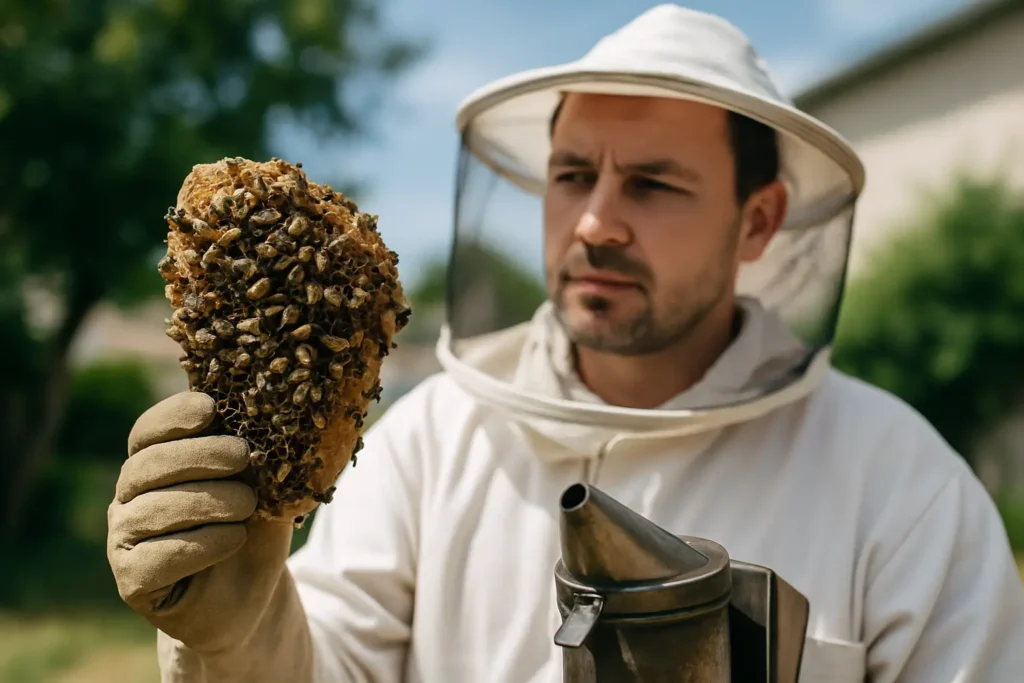
First is live removal whenever feasible. That means the colony is removed and relocated so it can keep doing what bees do best – pollinate and build a healthy hive.
Second is a full extraction when bees are established inside a cavity. Leaving comb and honey behind can attract other pests, create odors, and invite re-occupation. In warm weather, abandoned honey can melt and seep into insulation or drywall. Sustainable pest management practices do not stop at “bees gone today.” They remove what would cause the next problem.
Third is repair. Sealing and reinforcing the entry point is what turns an emergency call into a lasting outcome.
When homeowners want bees rescued and their home restored, this is the moment where professional help matters. A service built around humane removal and prevention, like Eli the Bee Guy, focuses on relocation and entry-point repairs so the same cavity does not become a repeat address.
When targeted treatments make sense (and how to keep them responsible)
Sometimes, the most sustainable choice is a carefully targeted treatment. For example, if yellowjackets are nesting in a wall void near a doorway with daily foot traffic, immediate risk management is part of responsible care.
Sustainability here means:
- Choosing the least harmful option that will work for that specific pest and location
- Applying it directly to the nest or harborage area rather than broadcasting it across the yard
- Avoiding applications during pollinator activity and avoiding flowering plants
- Pairing treatment with exclusion and sanitation so you are not locked into repeating it
The goal is not to “go chemical-free at all costs.” The goal is to stop the problem without creating collateral damage.
Property-by-property strategies that hold up
Southern California homes and commercial sites vary wildly – tile roofs, stucco walls, mature landscaping, irrigation lines, and outdoor living spaces. Sustainable pest management practices work best when they are tuned to the property.
For homeowners
If you are trying to reduce pest issues without living in fear of the next nest, focus on maintenance that quietly removes opportunity. Seal small openings before spring swarms and summer nesting pick up. Keep irrigation from constantly soaking walls or planter edges. Store outdoor cushions and pet food in sealed bins.
Also, be cautious with DIY foam and sealant around active bee or wasp activity. Sealing an active colony inside a cavity can drive insects into living spaces or cause them to search for new exits through drywall.
For commercial properties
Consistency is everything. Dumpster areas, loading docks, and landscaping edges should be part of a routine inspection schedule. Staff should know what to report and what not to disturb.
A sustainable program also protects your reputation. Tenants and customers notice strong odors from harsh sprays, and they notice when pollinators disappear from planted courtyards. Thoughtful control is part of good property management.
Common “green” mistakes that backfire
“Sustainable” can get misunderstood online, and that is where people waste money or make a situation more dangerous.
One mistake is relying on essential oils as a primary solution for established nests or colonies. Some products may repel insects temporarily, but they rarely solve a structural nesting issue. Another is using indiscriminate insect killers on flowering plants, which can harm bees that are simply foraging.
A third is skipping repairs after a removal. Even a perfectly executed removal can turn into a repeat call if the entry point stays open.
Sustainable pest management practices are not about clever hacks. They are about doing the unglamorous steps that actually change the outcome.
A calm way to decide what to do next
If you are staring at insect activity and trying to make the “right” call, start with two questions.
Is anyone at immediate risk, especially someone with allergies? If yes, prioritize safe distance and timely professional help.
Is the activity temporary or established? A transient swarm and an established hive are different problems with different solutions. If you see steady traffic into a structure, treat it as established and plan for removal plus prevention.
Then think long-term. The most sustainable outcome is the one that prevents re-occupation, protects people, and respects the role beneficial insects play in the environment.
A home can be safe and still be kind to nature. When you choose methods that solve the cause, not just the symptom, you get the rare result everyone wants – peace restored, and the outside world still buzzing in all the right places.