Why the Queen Matters: How One Bee Shapes the Whole Hive
The queen is the hive’s single reproductive female — her egg-laying and chemical signals set the pace for population, task distribution, and social order. Knowing how a queen influences the colony — through pheromones, brood pattern, and her presence among workers — explains why hives organize, when they prepare to swarm, and how they decide to replace a failing queen. This guide breaks down the queen’s biology, how queen bee pheromones work, what happens if a queen dies, and why swarming occurs, with practical advice for homeowners and anyone caring for bees. You’ll learn to spot queen-driven changes in foraging, brood care, and aggression, and when humane relocation or a pro’s help is the right call. Throughout, phrases like queen bee pheromones, replace queen bee, and bee swarming are used to link biology with real-world action. The sections below walk through the queen’s main role, pheromone effects, responses to queen loss, and swarming so you can read hive signals and make informed choices.
What Is the Queen Bee's Role in the Hive?
The queen’s job is twofold: she produces the fertilized eggs that keep the colony growing and she releases pheromones that coordinate worker behavior. Her steady egg-laying and the brood pattern she creates tell workers what tasks are needed — from foraging and nursing to guarding — and her chemical signals suppress worker reproduction and smooth social interaction. Together, egg production and pheromone output hold the colony together and reduce internal conflict. Understanding this makes it easier to interpret everyday hive behavior and shows why protecting the queen usually means protecting hive health.
| Caste | Primary Role | Typical Lifespan / Behavior |
|---|---|---|
| Queen (queen honey bee) | Main egg layer; source of queen pheromones that regulate workers | 1–5 years; central chemical controller |
| Worker (worker bees) | Foraging, nursing, hive upkeep, brood care | Weeks to months; tasks shift with age and colony signals |
| Drone (drone bees) | Mates with virgin queens; few hive duties | Weeks; present mainly in breeding season |
This table highlights how each caste’s role and lifespan support the colony’s goals, and why the queen’s reproductive and signaling roles are foundational.
How Does the Queen Bee Control Hive Activities?
The queen steers the hive through her pheromones, her egg-laying rhythm, and by moving among workers. Her pheromones spread through the hive to suppress worker ovaries and encourage cooperative tasks like brood care and foraging. A consistent egg-laying pattern creates steady brood needs that shape who does what inside the colony. Her physical presence also matters: workers that frequently interact with the queen reinforce social bonds and can detect declines in her condition. Changes in brood pattern or worker restlessness are often early signs of shifting pheromone levels and upcoming social adjustments.
Shifts in pheromone output or egg-laying often precede larger events such as supersedure or swarm preparation — topics we cover next when outlining the queen’s key duties.
What Are the Key Responsibilities of the Queen Bee?
- Reproduction: She lays the eggs that maintain colony numbers and set the worker-to-drone balance the hive needs.
- Chemical Regulation: Through queen pheromones she limits worker reproduction and helps organize roles across nurses, foragers, and guards.
- Colony Cohesion: Her presence and brood pattern give social signals that reduce conflict and coordinate collective work.
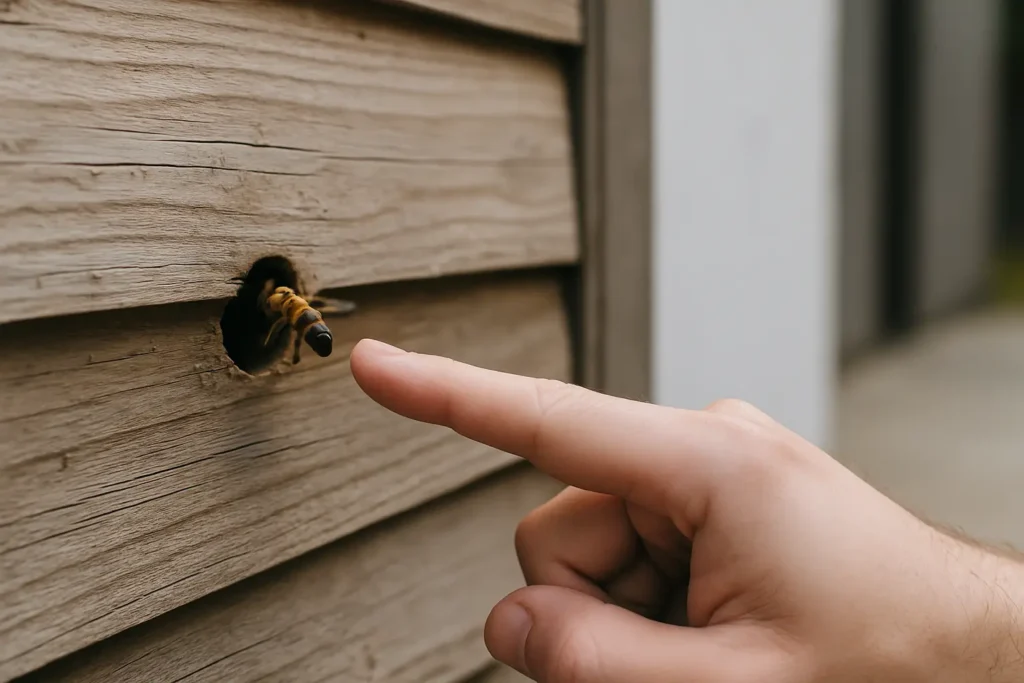
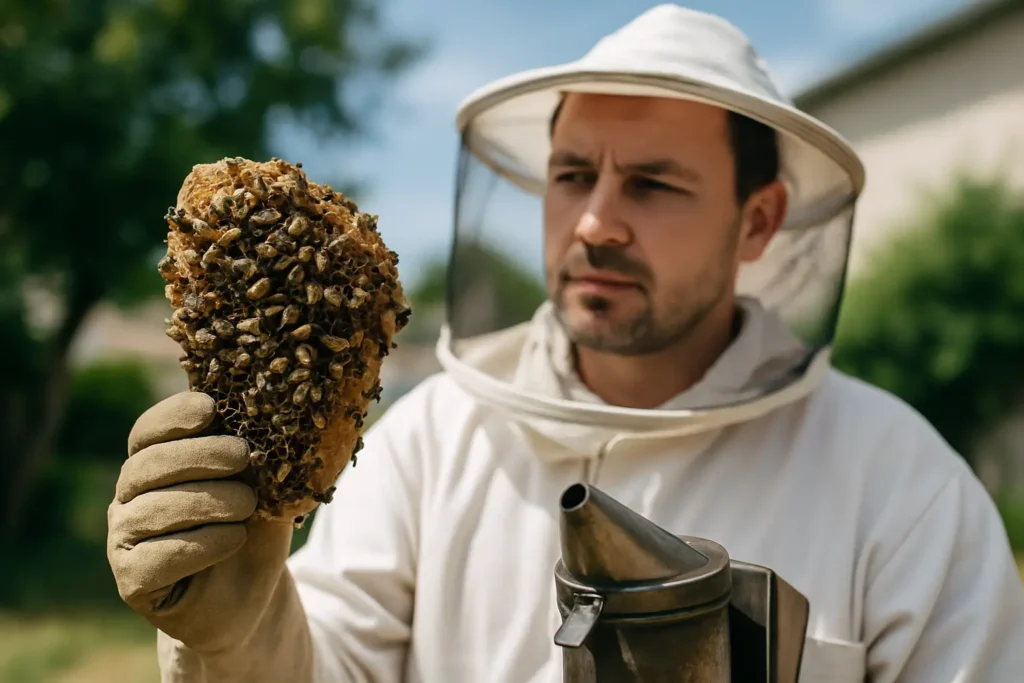
Eli the Bee Guy | Bee Removal and Rescue knows how central the queen is to a hive, which is why humane removal or relocation choices aim to protect the queen and brood when possible. If you find a hive on your property, a professional assessment can help preserve colony structure while addressing safety and property concerns.
How Do Queen Bee Pheromones Influence Hive Behavior?
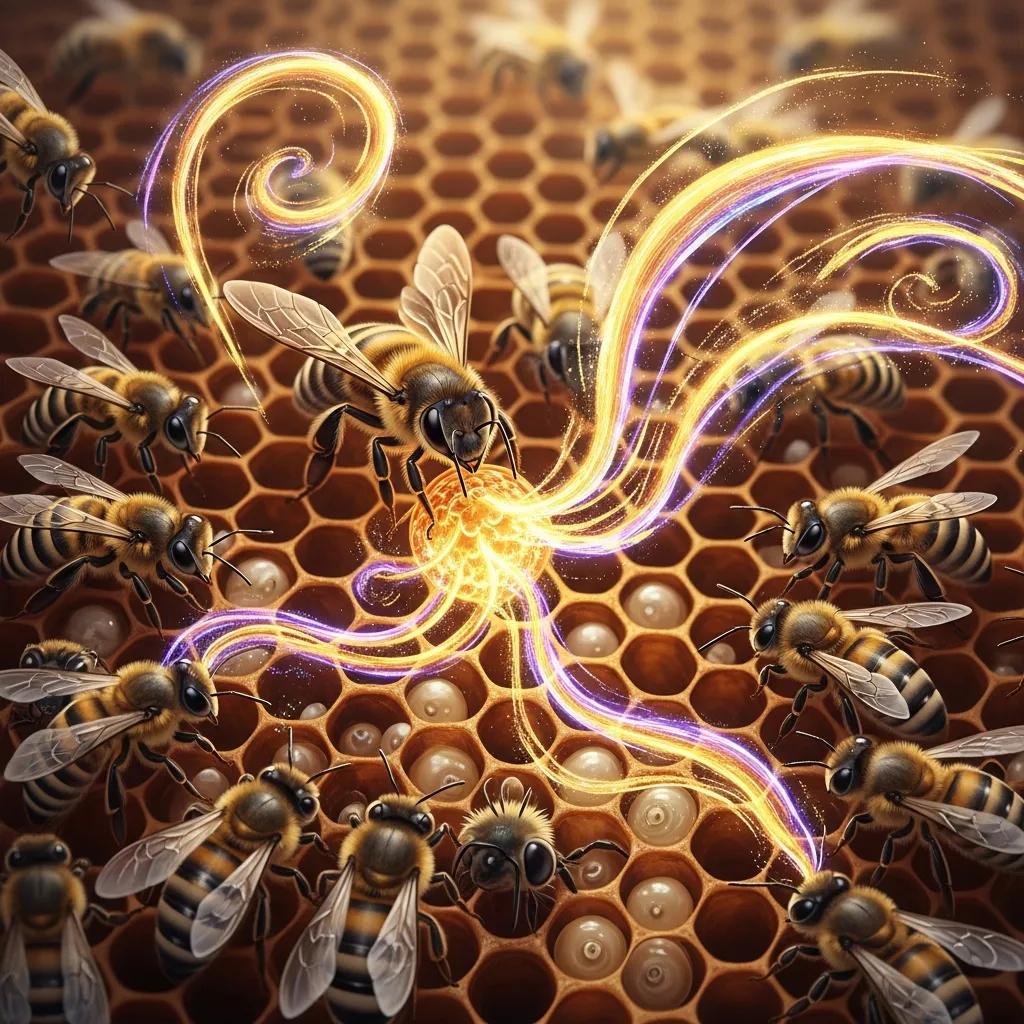
Queen pheromones are a mix of chemicals produced by the queen that shape worker development, inhibit rival queens, and coordinate group activities like brood care and defense. These compounds bind to worker sensory receptors and trigger changes in their physiology and behavior — shifting task roles, preventing ovarian development, and maintaining social tolerance. When pheromone strength drops or composition changes, workers may sense an aging or failing queen and start preparing to supersede or swarm. Knowing how these pheromones work explains how one individual influences the whole eusocial colony.
| Pheromone Component | Behavioral Effect | Colony Outcome |
|---|---|---|
| Queen mandibular pheromone (QMP) | Suppresses worker reproduction and draws a worker retinue | Supports cohesion and inhibits queen rearing |
| Brood pheromones (from eggs/larvae) | Encourage nursing and adjust foraging balance | Ensures brood gets care and resources |
| Volatile alarm/dispersal cues | Trigger defensive behavior or clustering for swarming | Rapid mobilization for defense or departure |
What Effects Do Queen Pheromones Have on Worker Bees?
Queen pheromones cause clear behavioral and physiological changes in workers that keep the colony functioning and limit internal competition. In strong-pheromone colonies, workers show reduced ovarian activity, focused nursing, and regular foraging schedules that match colony needs. When pheromone signals weaken, workers become more restless, queen-cell construction increases, and foraging patterns shift as the colony evaluates its reproductive options. Real-world signs include calmer guards when the queen is healthy and a surge in queen-cell building when pheromone levels fall.
Those individual changes add up to colony decisions like supersedure or swarming, which the next sections explore in relation to queen loss and replacement.
How Do Pheromones Maintain Hive Harmony?
Pheromones keep the hive running smoothly by synchronizing worker roles, reducing reproductive conflict, and sending clear social signals that limit aggression. With steady pheromone cues, task division stays predictable — nurses tend brood, foragers gather food, and guards watch the entrance — which makes the colony efficient and less likely to act aggressively toward neighbors or people. Homeowners often notice calmer colonies when a healthy queen is present. Watching for steady brood patterns and consistent foraging gives practical insight into pheromone-driven stability.
Harmony depends on queen health and outside stressors; disruptions to either can produce visible shifts that may call for homeowner attention or professional help.
What Happens If the Queen Bee Dies?
If a queen dies or becomes ineffective, the colony goes through detection, emergency response, and potential replacement over hours to weeks. Recognizing these stages helps homeowners decide how urgently to act. At first, workers reduce brood care and increase antennation as pheromone levels fall; within a few days they may begin emergency queen rearing or start supersedure if the queen is failing. A successful replacement restores normal function; failure can lead to decline and may make professional removal or relocation the best option for property owners. Knowing the process helps you choose whether to monitor the hive or call for humane assistance.
| Response Option | Trigger/Attribute | Likely Outcome |
|---|---|---|
| Leave-alone (natural recovery) | Strong brood and workers capable of rearing | Possible recovery if larvae and cues are sufficient |
| Emergency queen rearing | Sudden queen loss detected by workers | New queen may emerge ~16 days from an egg if larvae are available |
| Professional assessment/relocation | Property risk or failed natural replacement | Human-assisted relocation or supervised requeening may save the colony |
How Does the Hive React to the Loss of Its Queen?
The hive’s response occurs in stages: immediate confusion and less brood attention within hours; queen-cell construction starting within 24–72 hours; and a potential replacement queen emerging about 16 days after an egg is laid. Workers quickly detect falling pheromone levels and increase antennal contact and food sharing to spread whatever cues remain. If suitable larvae exist, nurse bees feed and transform selected larvae into queens by changing their diet and care. Homeowners might notice reduced foraging, tighter clustering, and peanut-shaped queen cells along comb edges as clues. Watching these signs over a couple of weeks indicates whether the hive will requeen itself or needs intervention.
Knowing the timeline helps property owners decide when to keep observing and when to request a professional assessment for humane relocation or requeening.
What Are the Processes for Replacing a Queen Bee?
A hive replaces its queen in a few ways: emergency queen rearing from very young larvae, supersedure where workers raise a new queen while an old queen fades, and beekeeper-assisted requeening that introduces a mated queen. Emergency rearing is fast but risky, taking about 16 days from egg to an egg-laying queen; supersedure is slower and often smoother because the colony can evaluate candidates. For property owners, human-assisted replacement or relocation by trained professionals can protect the brood and ensure a mated queen is introduced safely. Each option has trade-offs in success and disturbance, so colony condition and timing determine the best path.
If natural replacement seems unlikely or the hive is a safety concern, a professional assessment can offer humane removal or relocation while prioritizing colony survival.
Eli the Bee Guy | Bee Removal and Rescue provides assessments and humane relocations aimed at keeping brood intact and, when possible, preserving the queen or arranging requeening — balancing homeowner safety with pollinator conservation.
For larger sites, businesses and commercial properties often need specialized removal and relocation services. Handling these cases correctly protects people and follows environmental best practices for bee conservation.
What Is Queen Bee Swarming Behavior and Its Impact on the Hive?
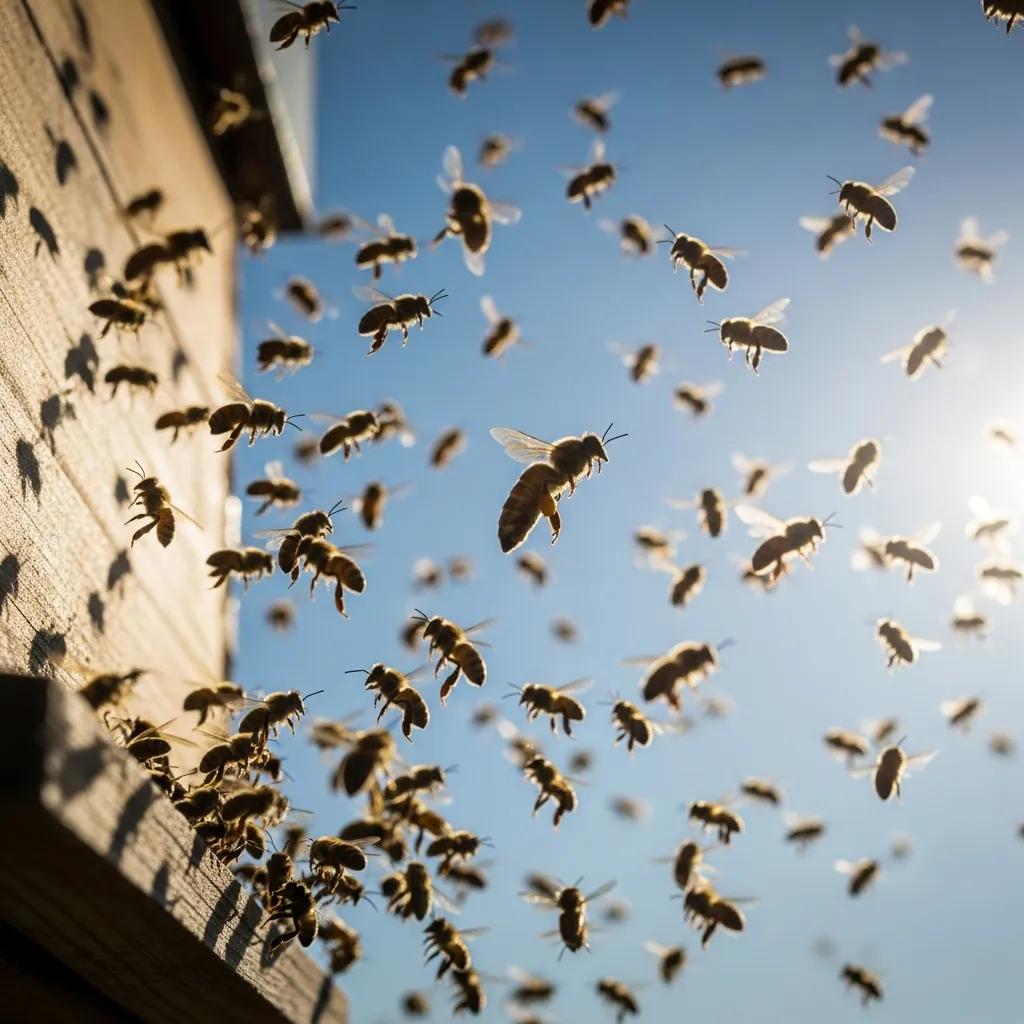
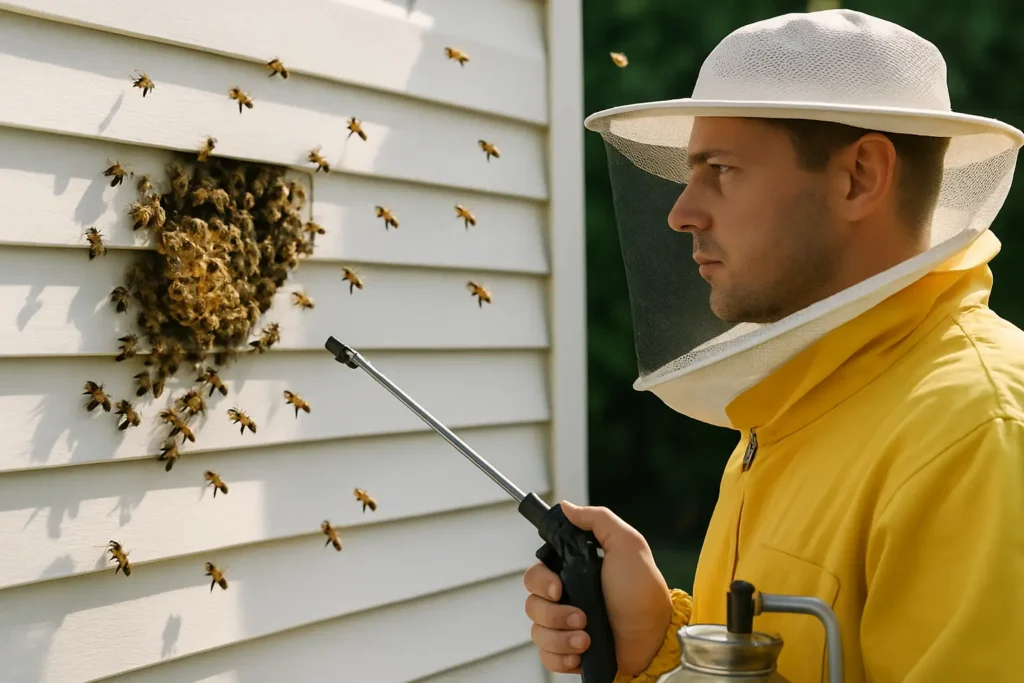
Swarming is the colony’s natural way to reproduce: a group of workers leaves with an old or new queen to start a new nest, easing overcrowding and spreading genes. It’s driven by internal and environmental cues. Swarming often happens when the colony produces virgin queens or when falling queen pheromones and high population density signal a split would increase survival odds. The parent hive loses workforce and must rebuild brood and foraging capacity, while the swarm faces short-term risks as it searches for a new home. If you find a swarm on your property, keep a safe distance and consider humane capture or professional relocation to protect both bees and people.
Below are common causes and practical steps homeowners can take when dealing with swarms.
- Typical biological and environmental triggers: overcrowding, abundant resources, and weakened queen pheromone signals.
- Immediate effects on the parent colony: fewer workers and short-term drops in honey production while brood care recovers.
- What homeowners should do: watch from a safe distance, avoid sudden disturbances, and call a humane relocation specialist if the swarm lands on your property.
Why Do Queen Bees Initiate Swarming?
Swarming starts from a mix of biological pressures — crowding, plenty of food, and changing pheromone dominance — that make splitting the colony the best reproductive strategy. High brood volume and limited comb space create internal signals workers interpret as overcrowding, pushing the colony to prepare for a split. A weakening or aging queen with altered pheromone output can speed that decision, and environmental factors like strong nectar flows and warm weather raise the odds a new colony will succeed. For homeowners, lush gardens and sheltered spots can unintentionally attract swarms looking for temporary landing sites.
Knowing these triggers helps you reduce attractants and respond quickly when swarms appear on your property.
How Does Swarming Affect Hive Structure and Survival?
Swarming changes hive structure by moving a reproductive queen and some workers into a new group, forcing both the parent colony and the swarm to reorganize for survival. The parent colony temporarily loses workforce, which can lower brood care and foraging until new workers emerge; the swarm faces immediate relocation risks and must quickly find a cavity to build comb and raise brood. Survival depends on timing, available resources, and exposure to predators or bad weather during relocation. Observing swarm timing and size gives clues about the health and resilience of both the original colony and the new group.
If a swarm lands on a home or creates a safety issue, contact a humane bee relocation expert to protect people and pollinators while giving the colony the best chance to establish successfully.