Why Live Bee Removal Matters: How Expert Relocation Protects Pollinators and Local Ecosystems
Live bee removal represents a critical, humane intervention: the professional inspection, precise extraction, and strategic relocation of a bee colony. This scientifically-backed approach ensures the continued vital pollination services of bees, rather than their destruction. This deliberate choice profoundly supports ecosystem health by preserving essential pollination services upon which diverse plants, agricultural systems, and urban environments critically depend. This article meticulously details the methodology of live removal, the humane techniques employed, and why relocation consistently outperforms extermination for biodiversity and the resilience of local food systems. You will gain a comprehensive, step-by-step understanding of the inspection process, safe extraction protocols, secure transport, and optimal apiary placement. Furthermore, we present compelling, practical justifications for prioritizing eco-friendly rescue when a hive manifests on residential or commercial properties. We also delineate the measurable impact of relocated colonies on Southern California’s native flora and agricultural yields, summarize the principal threats confronting bee populations, and provide a comparative analysis of the environmental outcomes of relocation versus extermination. By the conclusion, you will possess a robust understanding of the biological underpinnings of pollination and the critical, real-world decisions that safeguard pollinators while effectively resolving human–bee conflicts.
What Is Live Bee Removal and How Does It Support Bee Conservation? A Professional Approach to Pollinator Preservation
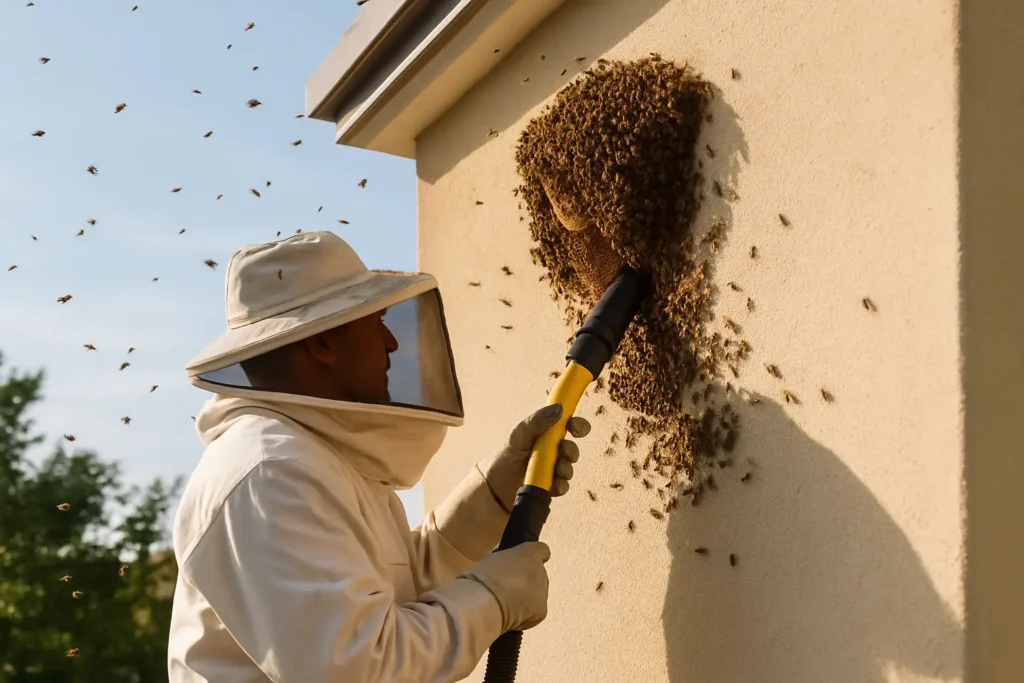
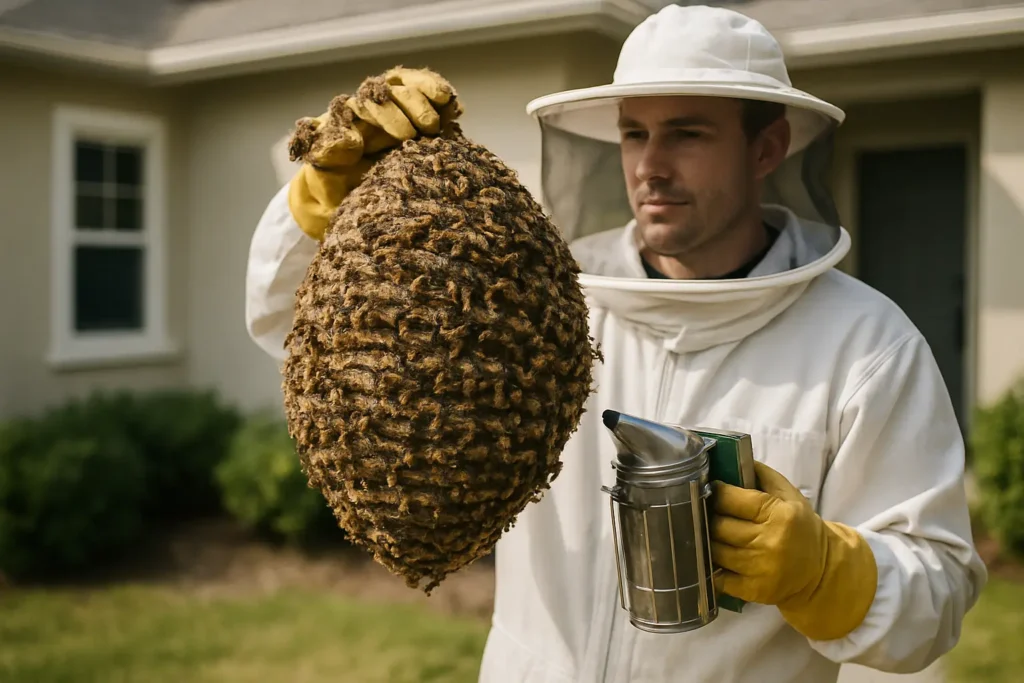
Live bee removal signifies the expert process of relocating an active colony—without causing mortality—to a managed apiary, thereby ensuring the bees’ uninterrupted contribution to pollination. In practice, certified responders conduct thorough site inspections, meticulously remove comb and bees utilizing advanced containment techniques, and then safely transport the colony to a designated apiary where the hive can recover and flourish under expert care. This methodology demonstrably lowers immediate pollinator mortality, preserves the colony’s intricate social structure (including the queen), and sustains critical pollination functions across the landscape. Extensive studies and field reports consistently affirm that strategic relocation significantly contributes to pollination continuity in fragmented urban and agricultural zones.
What Does Humane Bee Removal Involve? Precision and Expertise in Action
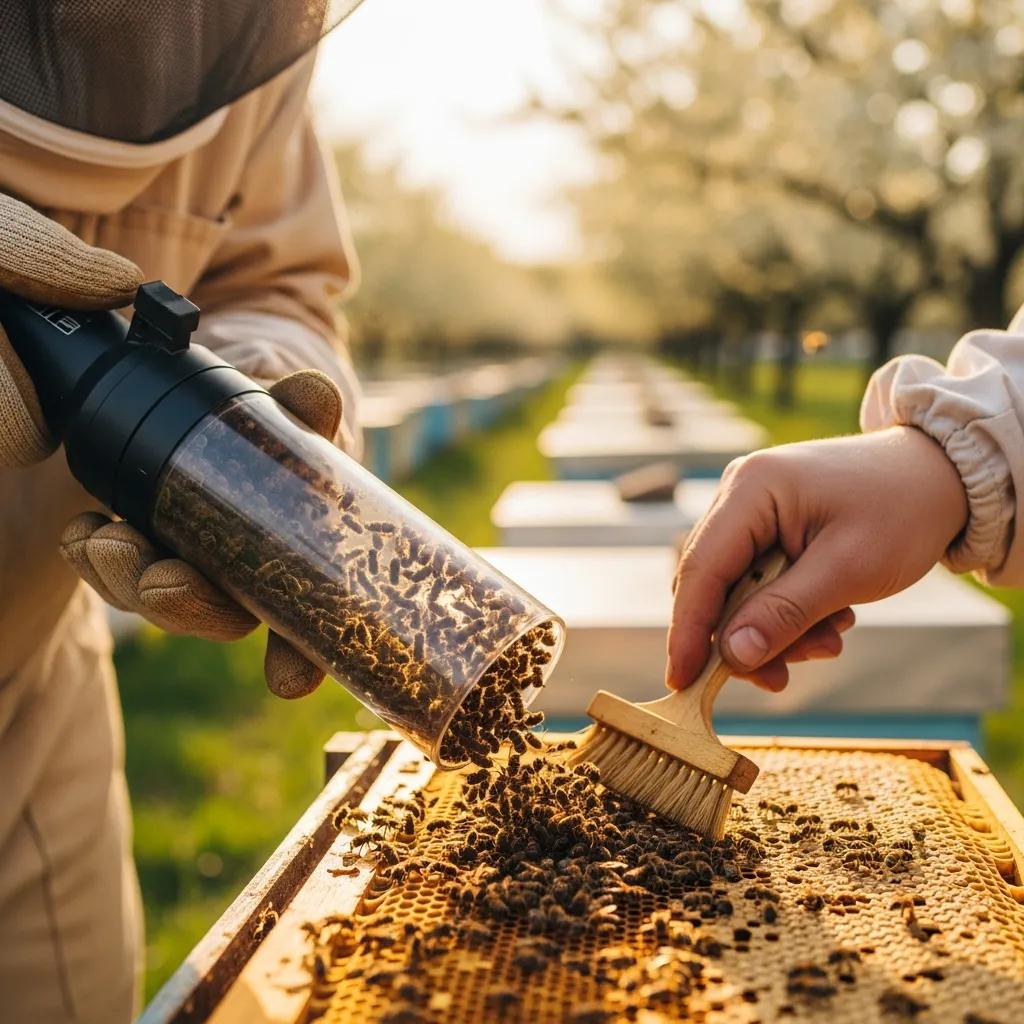
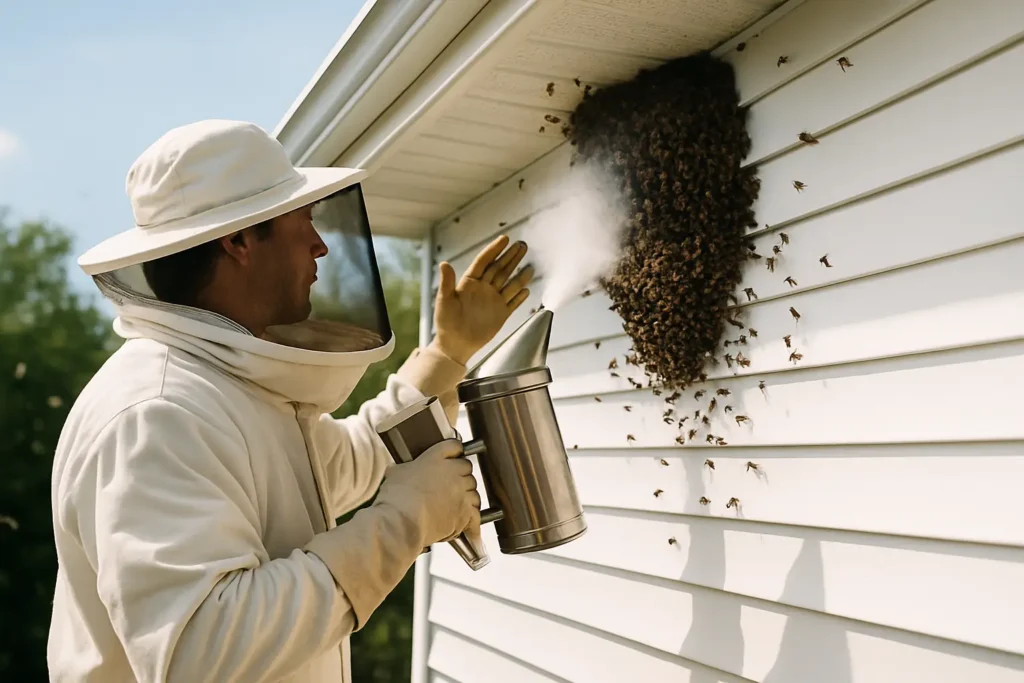
Humane bee removal commences with a rigorous inspection conducted by trained specialists to confirm species identification, accurately estimate colony size, and precisely locate the cavity. Technicians employ specialized non-lethal tools and low-stress techniques—including precise comb cutting when necessary, the judicious application of gentle smoke and brushes, or the strategic fitting of temporary containment boxes—to facilitate bee relocation with minimal harm. Transport adheres to stringent handling protocols designed to maintain colony integrity and protect the queen throughout transit. Upon successful relocation, the hive is strategically placed in a managed apiary where experienced beekeepers meticulously monitor its health and facilitate the colony’s integration and contribution to local pollination services.
Typical humane removal steps include:
- Expert Inspection and Identification: Confirming colony presence, precise species identification, and comprehensive risk assessment for people and property.
- Non-Lethal Extraction Protocols: Meticulous removal of comb and bees with secure containment and careful handling to minimize colony stress and ensure survival.
- Strategic Transport and Apiary Placement: Secure relocation of the colony to a professionally managed apiary for ongoing care and sustained pollination services.
These meticulously executed steps significantly reduce immediate bee mortality and maintain active pollination—outcomes rigorously summarized in the table below.
| Phase of Operation | Expert Protocol | Ecological Imperative |
|---|---|---|
| Inspection | Confirm colony, species, and safe access points | Avoids unnecessary extermination and directs a humane response |
| Extraction | Non-lethal comb removal and secure containment | Protects the queen and worker population, lowers stress |
| Relocation | Transport to a managed apiary | Restores pollination locally and supports colony recovery |
How Does Live Bee Removal Benefit the Environment Compared to Extermination? Ecological Imperative and Proven Outcomes
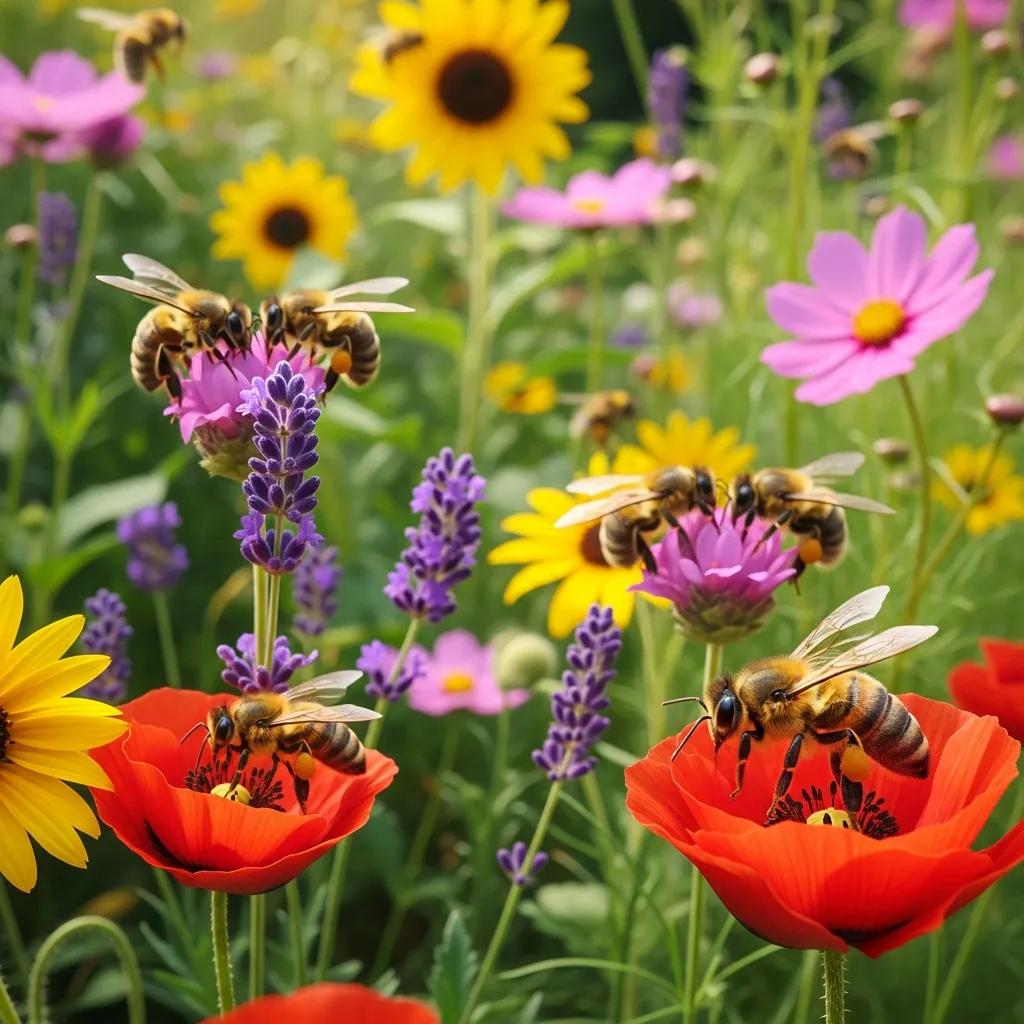
Relocating a colony strategically preserves those vital pollinators within the regional population; conversely, extermination irrevocably removes individuals and creates significant local deficits in pollination services. The deliberate avoidance of pesticides also critically mitigates collateral damage to non-target insects, essential soil microbiota, and adjacent plant communities that are susceptible to chemical residues. Relocated colonies are expertly integrated into managed apiaries, which actively support genetic diversity and contribute to broader conservation initiatives and enhanced pollination services. Fundamentally, relocation stands as the superior choice when the overarching objective is to sustain critical ecosystem services and minimize detrimental downstream impacts on agriculture and native plant communities. FAQs for Bee Removal Services
Why Are Bees Essential for Ecosystem Health and Food Security? The Indispensable Role of Pollinators in Global Ecology
Bees are unequivocally keystone pollinators: their indispensable activity of transferring pollen between flowers enables the production of fruit and seed for countless wild plants and a vast array of agricultural crops. Bee pollination demonstrably boosts plant reproductive success, fosters crucial genetic mixing, and significantly enhances landscape biodiversity—profound effects that underpin robust food webs and richer habitat structures. From an economic perspective, pollinator‑dependent crops experience substantial gains in yield and quality directly attributable to bee visits, rendering healthy pollinator populations absolutely critical to the stability of local and regional food systems. Safeguarding bees through humane practices is therefore paramount to maintaining resilient ecosystems and secure food supplies.
How Do Bees Contribute to Pollination and Biodiversity? Biological Mechanisms and Ecosystem Resilience
When a bee meticulously visits a flower, it efficiently carries pollen from one blossom to another, initiating fertilization and the subsequent production of fruit or seed. Numerous native wildflowers and cultivated crops are entirely dependent on these precise visits; bees’ inherent tendency to exhibit floral fidelity (sticking with particular flower types) renders them exceptionally efficient pollinators. This targeted pollen transfer is crucial for supporting genetic diversity within plant populations, which in turn fortifies habitats against the pressures of pests and fluctuating climates. Contemporary research consistently underscores that maintaining a diverse assemblage of pollinators is fundamental to optimizing overall ecosystem function.
- Bees execute pollen transfer mechanisms that reliably increase fruit and seed set for a multitude of plant species.
- Countless native plant species critically rely on bee visits for successful reproduction and long-term ecological viability.
- By directly supporting plant reproduction, bee pollination sustains complex food webs and enhances habitat complexity.
These profound ecological roles render the protection of bees absolutely essential to preventing widespread disruptions in vital pollination services.
Pollination Services in Urban Agriculture: A San Francisco Study
This seminal study experimentally measured how wild-bee pollination profoundly affects tomato production at 16 urban agriculture sites across San Francisco. By rigorously comparing treatments for fruit set, fruit mass, yield, and seed set, researchers conclusively found that tomatoes visited by wild bees significantly outperformed controls across all measured indicators. The results unequivocally suggest that urban areas—irrespective of garden size or surrounding impervious surface—possess the capacity to support highly effective pollination services, provided adequate floral resources are available.
What Threats Are Causing Bee Population Decline? Understanding the Crisis: Key Stressors and Mitigation
A complex interplay of interacting stressors critically weakens bee populations: pervasive pesticide exposure that impairs navigation and compromises immunity, extensive habitat loss that eliminates crucial forage and nest sites, and the proliferation of pathogens and parasites that elevate mortality rates. Climate change further exacerbates these challenges by altering flowering times and nectar availability, creating ecological mismatches that severely stress bee communities. Human choices—suchably opting for extermination when colonies appear in structures—contribute directly to these losses. Addressing these multifaceted threats necessitates comprehensive strategies including habitat restoration, a significant reduction in chemical reliance, and the widespread provision of humane removal options that ensure bees remain a vital component of the landscape instead of being destroyed.
Pesticides, habitat loss, disease, and climate impacts collectively represent formidable threats to bee populations and the indispensable pollination services they provide.
Environmental Threats to Honey Bees and Their Ecological Importance
Environmental pressures—including pesticide exposure, pollution, interspecies competition, virulent pathogens, and the overarching impact of climate change—pose severe and systemic risks to honey bees and their foundational role in ecosystems. A profound understanding of these impacts is essential for guiding timely and effective measures to protect bee populations and the invaluable services they supply to both agriculture and natural habitats.
How Does Live Bee Removal Impact Local Ecosystems in Southern California? Regional Impact and Strategic Conservation
In the unique ecological context of Southern California, live bee removal plays a pivotal role in sustaining critical pollination for native chaparral and coastal sage plants, as well as for the diverse regional crops that are fundamentally dependent on insect pollinators. The strategic relocation of colonies to professionally managed apiaries ensures a continuous availability of pollinators for urban gardens, productive orchards, and vital remnant wildlands that collectively form interconnected habitat patches. Preserving these pollination services directly supports robust seed set, successful plant recruitment, and resilient local food production—benefits that profoundly strengthen regional biodiversity and agricultural sustainability. Increasingly, local policy frameworks and heightened public awareness are decisively favoring live bee removal over extermination to safeguard these essential ecological functions.
How Does Relocating Bees Help Native Plants and Crops? Targeted Ecological Support
Relocated colonies can significantly augment pollinator numbers in areas where habitat fragmentation restricts wild pollinator populations, thereby assisting native plants in completing their reproductive cycles. For pollinator-dependent crops, a successfully rescued hive strategically placed nearby can demonstrably improve bloom‑time fruit set and enhance overall crop quality. Urban and peri‑urban rescues provide crucial support for community gardens and native-plant restoration projects by ensuring that flowers receive essential visits during critical windows of opportunity. Collectively, these outcomes reinforce intricate pollination networks that seamlessly link wildlands and food-producing areas across the entire region.
- Relocated hives demonstrably aid native wildflowers in setting seed and recruiting new plant growth.
- Supplemental pollination from rescued colonies supports increased yields for crops that depend on insect visits.
- Strategic apiary placement following a rescue strengthens urban biodiversity and enhances garden productivity.
These tangible benefits are comprehensively summarized in the table below.
| Regional Flora/Crop | Documented Ecological Contribution | Contextual Impact |
|---|---|---|
| Avocado and citrus | Improved fruit set during bloom | More frequent bee visits support higher yields |
| Native wildflowers | Increased seed set and plant recruitment | Helps maintain local plant populations |
| Urban garden crops | Better pollination and vegetable yields | Supports neighborhood food production |
What Role Does Eli the Bee Guy Play in Supporting Local Apiaries and Conservation? Leading Southern California in Expert Pollinator Rescue
Eli the Bee Guy stands as a premier provider of specialized bee rescue and relocation services across Southern California, executing live removal with unparalleled expertise for both residential and commercial properties. We forge strategic partnerships with reputable, caring apiaries to meticulously place rescued colonies where they will receive expert tending and contribute significantly to local pollination networks. Our unwavering mission is to deliver safe, humane, and ecologically responsible removal, coupled with relocation to apiaries that prioritize optimal bee health and long-term conservation.
By rigorously rescuing colonies that would otherwise face extermination, Eli the Bee Guy ensures the sustained availability of pollinators for nearby gardens, orchards, and critical native habitats. Our collaborative model, partnering with local beekeepers, guarantees that rescued hives receive ongoing professional care and meticulous monitoring, which demonstrably enhances their survival rates post-relocation. In essence, each individual rescue operation performed by Eli the Bee Guy cumulatively contributes to a stronger, more resilient community-level pollinator support system, solidifying our position as a leader in regional bee conservation.
What Are the Environmental Benefits of Choosing Eco-Friendly Bee Rescue Services? The Definitive Choice for Sustainable Pollinator Management
Eco-friendly bee rescue represents a paramount strategy for conserving vital pollinators, significantly reducing chemical reliance, and preserving essential ecosystem services that underpin biodiversity and agricultural productivity. Humane removal protocols prevent immediate pollinator loss, drastically curtail the application of broad-spectrum pesticides that harm non-target species, and ensure the continuous functioning of native plant reproduction through sustained pollination. These critical services also actively promote public education regarding pollinator-friendly practices and vigorously encourage habitat restoration initiatives. Here are the top environmental benefits, concisely articulated: importance to the ecosystem.
- Pollination Preservation: Ensures the continued presence of living pollinators within the landscape, enabling essential plant reproduction and ecological continuity.
- Reduced Chemical Use: Eliminates the need for harmful pesticides that compromise non-target species, soil health, and overall environmental integrity.
- Biodiversity Support: Actively maintains crucial species interactions and genetic diversity across diverse habitats, fostering robust ecosystem resilience.
These profound benefits directly translate into stronger, more resilient ecosystems and more robust local food systems—underscoring precisely why choosing humane, eco-friendly options is an imperative for environmental stewardship.
| Methodology | Core Principle | Ecological Consequence |
|---|---|---|
| Live removal | Colony preserved | Sustains pollination and biodiversity |
| Extermination | Colony destroyed | Creates pollination gaps and ecological loss |
| Chemical control | Broad-spectrum pesticides | Harms non-target species and soil/plant health |
This definitive comparison unequivocally highlights how humane rescue aligns with critical conservation goals and why choosing expert, eco-friendly providers is fundamental to supporting long-term ecosystem resilience.