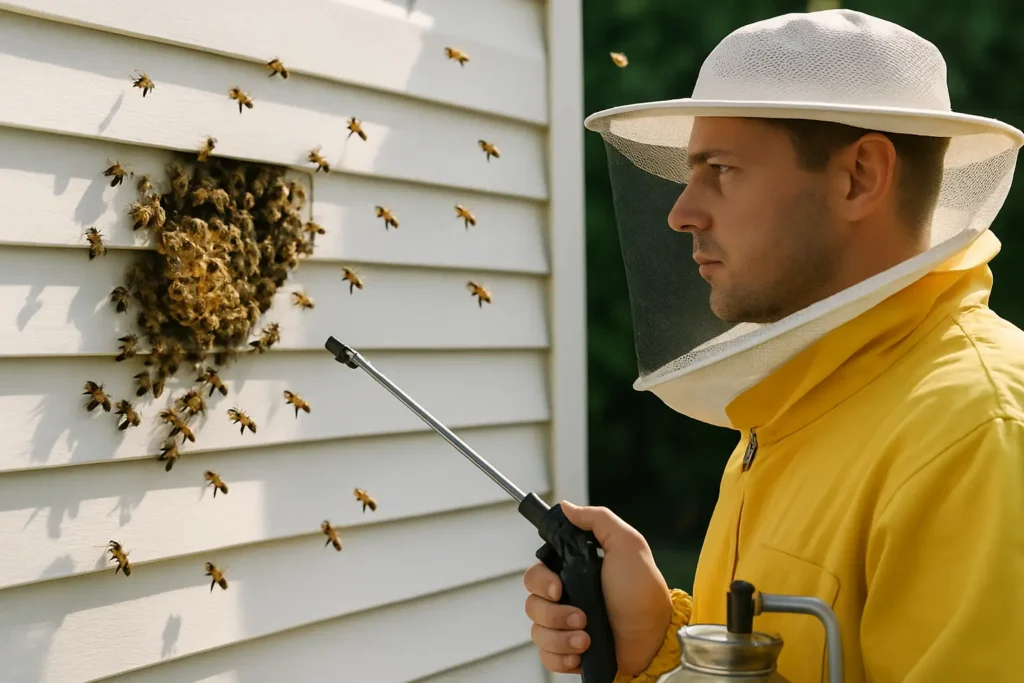
What Happens to Bees After a Live Removal and Relocation — How Colonies Survive and Rebuild
Live removal and relocation involves the meticulous transfer of an entire honey bee colony—queen, brood, workers, and comb—to a managed apiary, ensuring its recovery and continued vital role in pollination. This humane approach not only conserves essential pollinators but also prevents the lingering pheromone signals that often attract new swarms to previously treated cavities. This comprehensive guide details the immediate post-relocation behaviors of bees, the biological and environmental factors influencing survival, the fate of displaced foragers, and effective homeowner strategies for preventing re-infestation through thorough cleanup and repairs. We integrate evidence-based biology, such as thermoregulation, queen protection, and orientation flights, with practical steps like optimal timing for moves, the strategic use of short-term baits, and sealing entry points to minimize colony losses. Additionally, a brief note highlights humane relocation expertise and how professional follow-up significantly reduces colony stress for Southern California moves. A deep understanding of these processes empowers individuals to make informed decisions that safeguard both human environments and pollinator populations.
How Do Bees Survive Immediately After Live Removal and Relocation?
Immediately following relocation, honey bee colonies engage in a series of critical behaviors to stabilize their new environment. This includes rapid clustering, precise thermoregulation, and the swift protection of the queen. During transport and in the initial hours at the new site, worker bees form dense clusters to maintain optimal internal temperatures and shield the queen, while nurse bees diligently care for any exposed brood to prevent chilling. This short stabilization window is paramount, directly preventing brood loss and allowing the colony essential time to acclimate. Experienced beekeepers observe three primary immediate responses upon a colony’s placement in a new hive:
- Clustering and Thermoregulation: Workers instinctively draw together around the brood and queen, forming a cohesive unit to maintain stable temperatures vital for survival.
- Orientation and Guarding: A contingent of workers assumes guard positions at the hive entrance, while others commence short, exploratory orientation flights to map their immediate surroundings.
- Brood Tending: Nurse bees meticulously inspect, cover, and feed larvae, ensuring the continuous development of the next generation.
These foundational actions are crucial, setting the stage for subsequent orientation flights and the foragers’ re-learning of local resources, thereby initiating the colony’s adjustment period.
What Is the Colony Adjustment Period After Relocation?
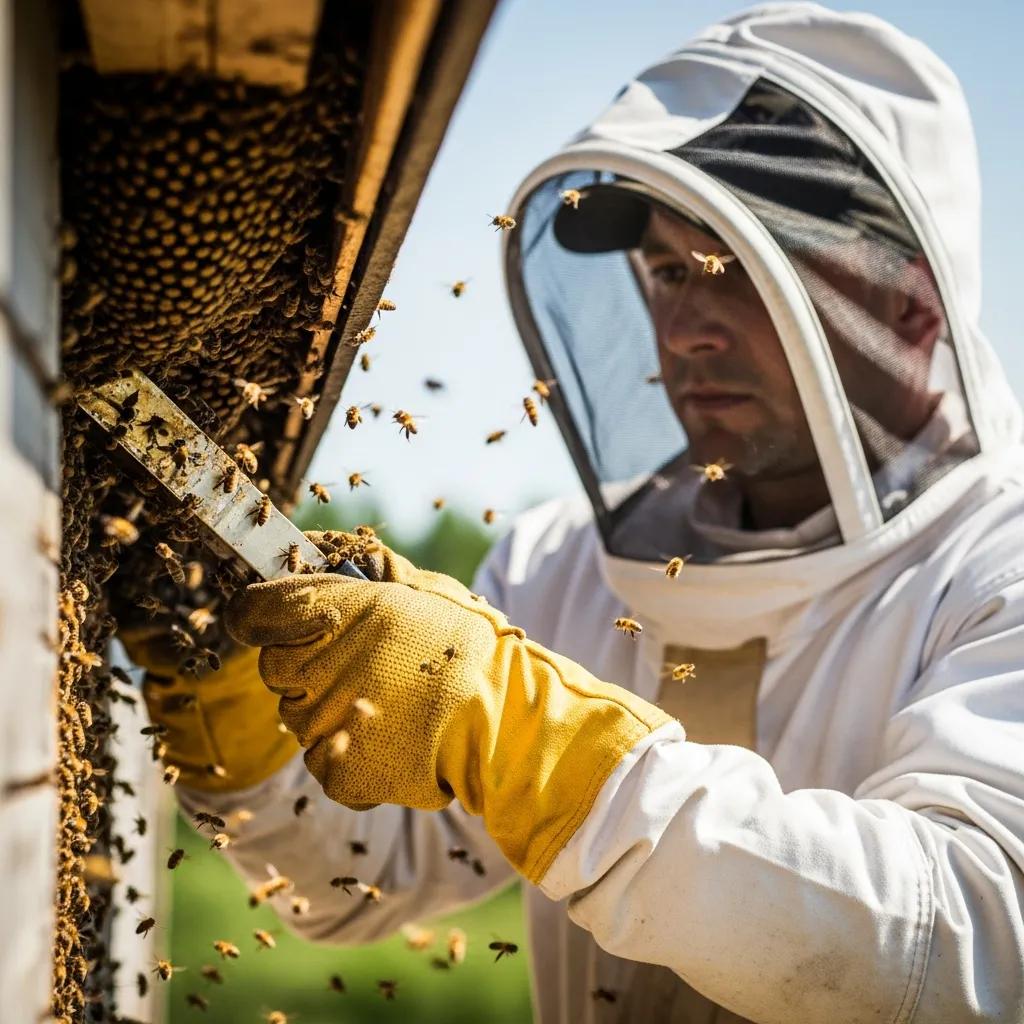
The colony adjustment period, typically spanning the first week to a month post-relocation, is characterized by the bees’ efforts to re-establish comb orientation, resume normal brood cycles, and reinforce social cohesion. The queen may temporarily cease egg-laying, resuming once brood temperatures and food stores are consistently stable; diligent beekeepers monitor egg patterns and capped brood as definitive indicators of successful recovery. Persistent stress signs, such as prolonged tight clustering beyond a few days, erratic foraging behavior, or an unusually diminished defensive response, often signal complications from transport or queen injury. A healthy adjustment typically follows a predictable trajectory: initial stabilization within 48–72 hours, followed by resumed brood rearing and consistent orientation flights within the first week.
How Do Foraging Bees Reorient to Their New Environment?
Foraging bees meticulously reorient to their new surroundings through a series of progressively expanding orientation flights over several days. They systematically map new landmarks and identify floral resources, primarily utilizing visual cues and scent markers. Initially, these flights are conservative, typically confined to a few hundred meters, as bees update their internal navigational maps and re-establish pheromone trails connecting the nest to vital food sources. Environmental factors, including weather conditions and the immediate availability of forage, significantly influence the speed of this reorientation process.
Within the first week, returning foragers adapt their waggle dances to communicate the locations of new food sources, facilitating the colony’s adaptation. However, environments with low floral diversity or elevated pesticide exposure at the new site can impede this crucial process. Successful reorientation is critically dependent on the overall strength of the colony and the presence of experienced foragers capable of effective scouting and communication.
What Factors Affect the Survival Rate of Relocated Bee Colonies?
The survival of relocated bee colonies is contingent upon a complex interplay of factors, including the quality of the receiving apiary, transport conditions, queen health, colony size, and the timing relative to natural nectar flows. A meticulously selected apiary provides diverse forage, clean water, and minimal pesticide exposure, while secure transport is essential to prevent queen loss and brood chilling. The following table outlines key factors, their impact on survival, and practical mitigation strategies to reduce risk.
| Factor | How it Affects Survival | Practical Mitigation |
|---|---|---|
| Apiary quality | Shapes long-term food, water, and pesticide exposure | Select diverse forage sites with shelter and clean water |
| Queen condition | Controls reproduction and colony cohesion | Keep the queen secured during transport and inspect after placement |
| Colony strength | Larger colonies buffer stress more effectively | Move when the cluster is strong; avoid weakening splits |
These three factors collectively determine outcomes: a healthy queen, situated in a strategically chosen apiary with abundant forage, significantly enhances survival probabilities. This understanding is vital for effective planning and preparation of relocation efforts.
How Does Apiary Selection Influence Colony Health?
The choice of apiary profoundly impacts colony health, as the receiving site dictates the availability of nectar and pollen, provides shelter from pesticides and predators, and influences spacing to mitigate disease spread and drifting. Optimal sites feature layered forage across multiple seasons, readily accessible clean water, and limited proximity to intensive agriculture that could expose bees to harmful insecticides. Microclimatic conditions, such as sun exposure and wind protection, directly affect thermoregulation, while judicious hive spacing reduces conflicts between robber bees and minimizes disease transmission. Selecting an apiary that judiciously balances forage availability, safety, and accessibility accelerates recovery and supports long-term colony productivity.
What Role Does Queen Bee Protection Play in Relocation Success?
The queen’s survival is paramount for a colony’s ability to rebuild; her loss or injury during extraction or transport can render worker efforts insufficient, leading to a rapid decline in brood viability and colony cohesion. Professional beekeepers prioritize queen protection by isolating her in a secure cage or a sectioned frame during extraction, minimizing handling time, and immediately confirming her presence post-placement. Monitoring for resumed egg-laying over the subsequent week serves as the most reliable indicator of success; if no eggs are observed after approximately two weeks, a follow-up inspection or re-queening procedure is typically required. Therefore, prioritizing queen protection at every stage of the relocation process is a critical best practice.
What Happens to Foraging Bees Left Behind During Removal?
Foragers away from the hive during removal, often termed “stragglers,” face various outcomes: disorientation upon return, integration into nearby colonies, succumbing to predators or starvation, or successful recovery through retrieval efforts. Stragglers are inevitably left behind due to their foraging schedules or distance from the original nest. Their survival rates are significantly improved by prompt operational tactics, including precisely timed removals and the strategic deployment of temporary bait boxes. The table below details common forager outcomes and how meticulous operators mitigate losses.
| Forager Condition | Likely Fate | How Risk Is Reduced |
|---|---|---|
| In-flight foragers | Become disoriented and may perish | Schedule moves for low foraging times; use smoke and baits |
| Distant foragers | Fail to find the new hive | Place temporary attractant boxes near the original exit |
| Returning foragers | Attempt to re-home or die | Coordinate retrieval and monitor after the move |
These outcomes underscore the importance of precise timing and effective short-term retention methods as practical strategies to safeguard worker numbers and preserve the colony’s vital labor capacity.
Why Do Straggler Bees Get Left Behind and What Are Their Survival Challenges?
Straggler bees are typically engaged in collecting nectar or pollen when the extraction occurs, leading to the loss of the nest’s pheromone trail. Consequently, they must navigate back without their usual cues, significantly increasing their vulnerability to predation and exhaustion. Their survival challenges include the inability to locate the new hive, becoming prey for birds or insects, and lacking immediate access to stored honey for energy. In carefully executed relocations, a modest percentage of workers may be lost; however, these losses escalate significantly when moves coincide with peak foraging activity or when a large number of foragers travel extensive distances. Mitigating this risk necessitates optimal timing of moves and the implementation of short-term holding strategies to capture returning workers.
How Does Eli the Bee Guy Minimize Loss of Foraging Bees Post-Removal?
Eli the Bee Guy employs advanced beekeeper methods to minimize straggler mortality and preserve the colony’s workforce. These strategies include timed removals during periods of low foraging activity, the strategic placement of temporary bait boxes at the original exit point, and coordinated retrieval checks. Specifically, these steps involve deploying short-term attractants to lure returning foragers into managed boxes for subsequent transfer, conducting rapid post-move monitoring for several days, and coordinating with apiary managers to safely reintroduce captured workers. This professional follow-up is instrumental in maintaining colony function and aligns with humane relocation principles. Homeowners in Southern California consistently commend Eli’s responsive, trained-beekeeper approach. For those seeking a meticulous live relocation, inquiries about local availability and follow-up visits are encouraged.
How Can Re-infestation Be Prevented After Bee Removal and Relocation?
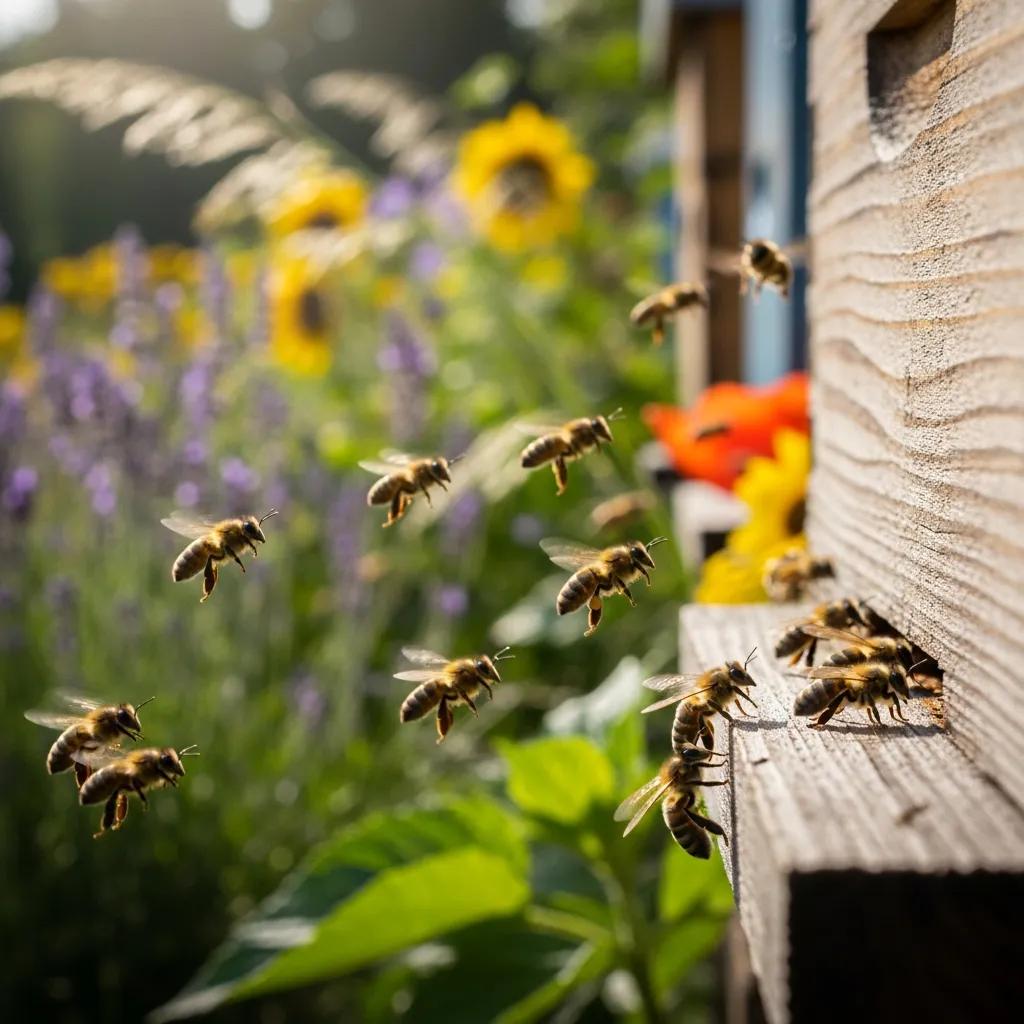
Re-infestation is entirely preventable through prompt and correct cleanup and sealing procedures. The core steps involve the complete removal of comb, neutralization of residual pheromones, and the secure sealing of all entry points. The following high-impact actions are crucial for homeowners and professionals to coordinate immediately after removal to deter new swarms and scavengers:
- Remove Comb and Honey Residues: Leftover comb and honey emit potent nest pheromones that act as strong attractants for scout bees.
- Clean and Deodorize Surfaces: Employing enzymatic cleaners or heat treatments effectively breaks down lingering bee scent markers.
- Seal Entry Points: Utilize durable materials such as stainless steel mesh, flashing, and exterior-grade caulk to permanently prevent re-entry.
These actions collectively render the site significantly less appealing to scout bees. The table below compares common post-removal bee hive removal steps and their demonstrated effectiveness.
| Post-Removal Action | Reason | Effectiveness/Notes |
|---|---|---|
| Wax and comb removal | Eliminates pheromone-laden structure | High — usually essential for long-term prevention |
| Surface cleaning | Reduces scent cues | Medium–high; repeat if odors persist for optimal results |
| Structural sealing | Blocks access to cavities | High when durable, weather-resistant materials are used correctly |
Cleanup and sealing operate synergistically: removal eradicates the biological attractant, while sealing eliminates the physical opportunity for re-entry. When executed swiftly and thoroughly, both steps make re-infestation highly improbable.
Why Is Thorough Site Cleanup Essential to Prevent Bee Return?
Thorough site cleanup is indispensable as it eliminates the pheromone sources and food residues that serve as powerful beacons for scout bees, simultaneously deterring other pests attracted to leftover honey. Pheromones can adhere to wax and building materials for weeks, making immediate comb extraction and subsequent surface cleaning critical for rapidly diminishing attraction. We advocate for same-day comb removal, followed by comprehensive cleaning within a few days, utilizing gentle scraping and appropriate cleaners to prevent structural damage. Prompt cleanup significantly reduces the need for repeat treatments and forms the cornerstone of effective, long-term prevention.
What Are Effective Methods for Sealing Entry Points and Deterring Bees?
Effective sealing combines the use of durable materials—such as exterior-grade caulk, stainless-steel mesh, and flashing—with proper structural repair where siding or eaves have been breached. This ensures that the cavity remains inaccessible to bees and other wildlife. While small gaps may sometimes be addressed with DIY fillers, larger voids or concealed cavities typically necessitate a professional inspection and repair to restore structural integrity and definitively prevent re-infestation. Many humane relocators incorporate post-removal sealing and follow-up checks as an integral part of a complete service, guaranteeing the site remains secure against future bee activity. When sealing is executed correctly, it effectively removes the environmental cues that draw bees back to a previously occupied location.
Protect Your Home & Our Pollinators
Eli the Bee Guy exemplifies live, humane removal, complemented by targeted cleanup and sealing options, and offers follow-up checks to confirm site security. This professional closure safeguards homeowners and provides the relocated colony with the optimal chance to thrive. If you prioritize gentle relocation and local beekeeper expertise, Eli the Bee Guy delivers responsive service across Southern California, including on-site follow-up to minimize straggler losses and discourage re-infestation. Contacting a trained beekeeper for live relocation ensures both safety for your property and the best possible outcome for the bee colony.