Ontario / Inland Empire
Eli the Bee Guy | Bee Removal and Rescue
- 255 Via Prado, Ontario, CA 91762
- 5.0 stars · 251 Google reviews
- Mon–Sat: open 24 hours · Sun: closed
- (626) 487-6052
Certified local beekeeper · Southern California
Live Bee Relocation by a Certified Local Beekeeper. Humane removal, full hive extraction and entry-point repair — so the bees live, and they don’t come back.
As featured in







If you’ve discovered bees on your property anywhere in Southern California, you’re likely dealing with more than a minor inconvenience.
Bees nesting in walls, roofs, chimneys, or high-traffic areas can create safety risks, cause structural damage, and disrupt daily life—especially for families with children, pets, or allergies. Eli the Bee Guy provides professional, humane bee removal across Southern California, focused on solving the problem completely—not temporarily.
You receive live bee removal, full hive extraction, entry-point repair, and safe relocation, so the bees don’t return and your property stays protected.
Bees in your home? Don’t kill them. Call us at (626) 487-6052
Call now
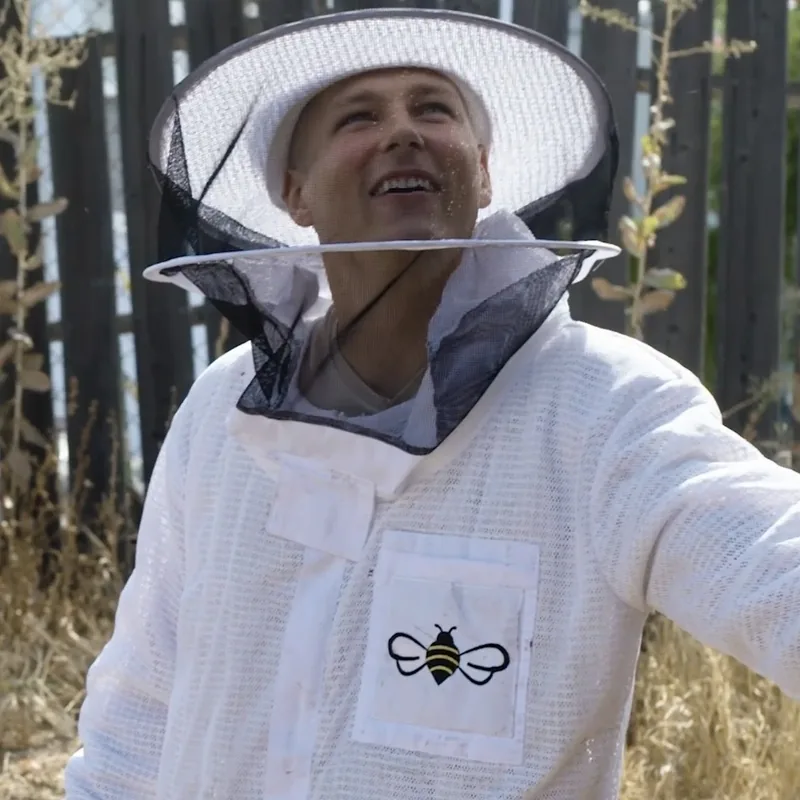
Meet your beekeeper
Eli the Bee Guy is a locally owned bee removal service based in Ontario, serving all of Southern California — from Orange County and the Inland Empire to Los Angeles County.
Eli is a trained beekeeper with hands-on experience managing and relocating live honey bee colonies from homes and commercial buildings.
This is an owner-operated service, meaning your bee removal is handled directly by a specialist—not subcontracted to a generic pest control crew. This hands-on, ethical approach is why so many Southern California homeowners specifically look for Eli the Bee Guy by name.
Read Eli’s storyServices
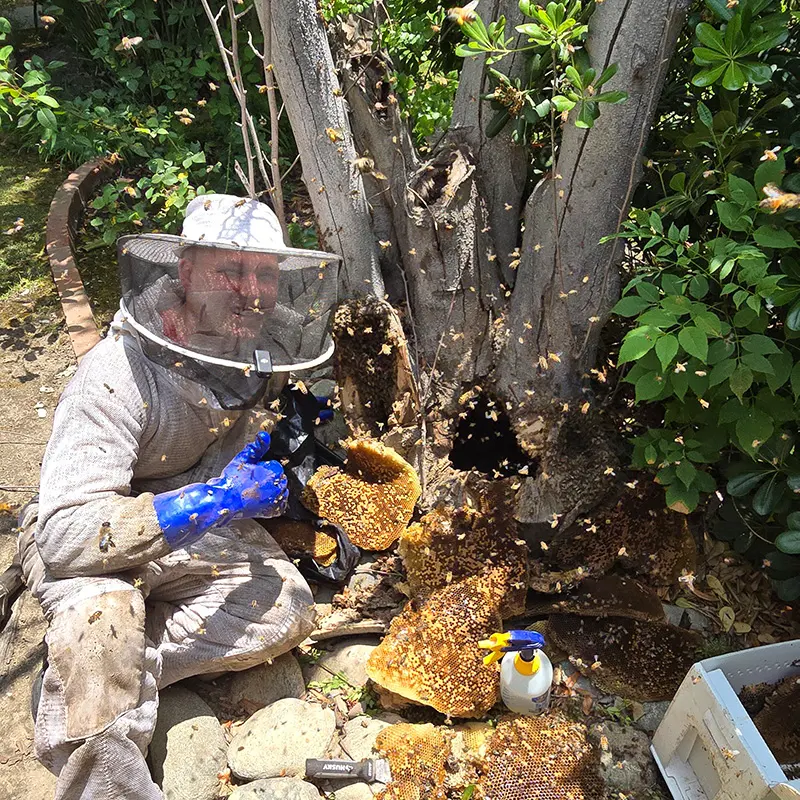
Live colonies safely removed and rehomed with vetted local beekeepers.
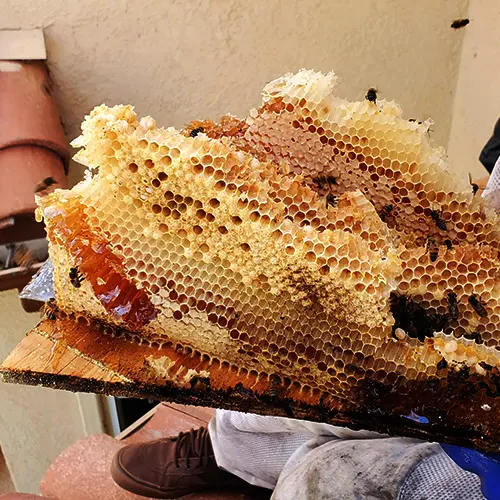
Complete honeycomb and hive extraction from walls, roofs and chimneys.
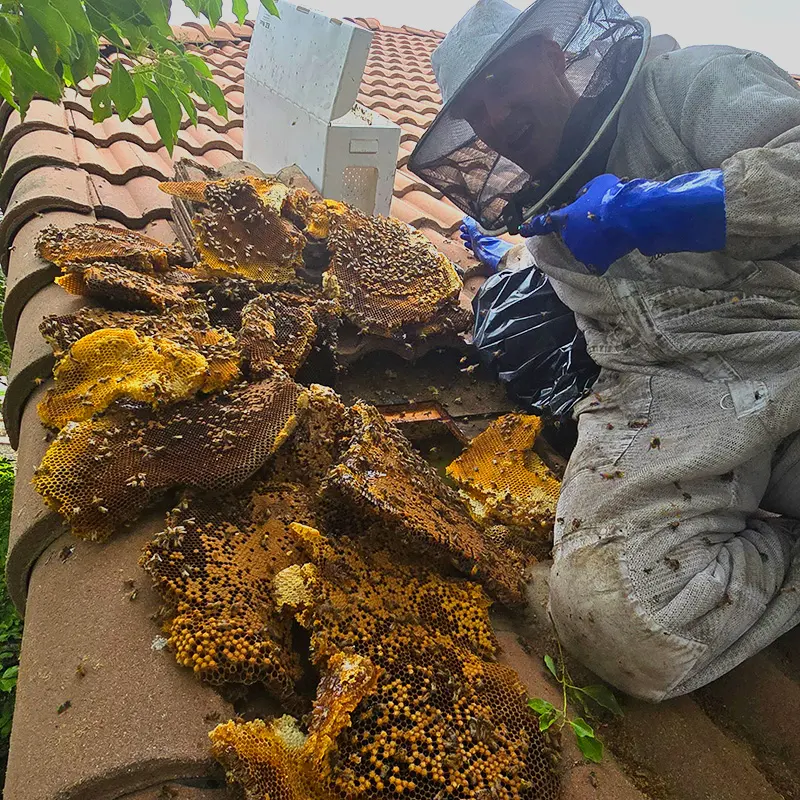
Safe for kids, pets and allergies — with entry points sealed after.
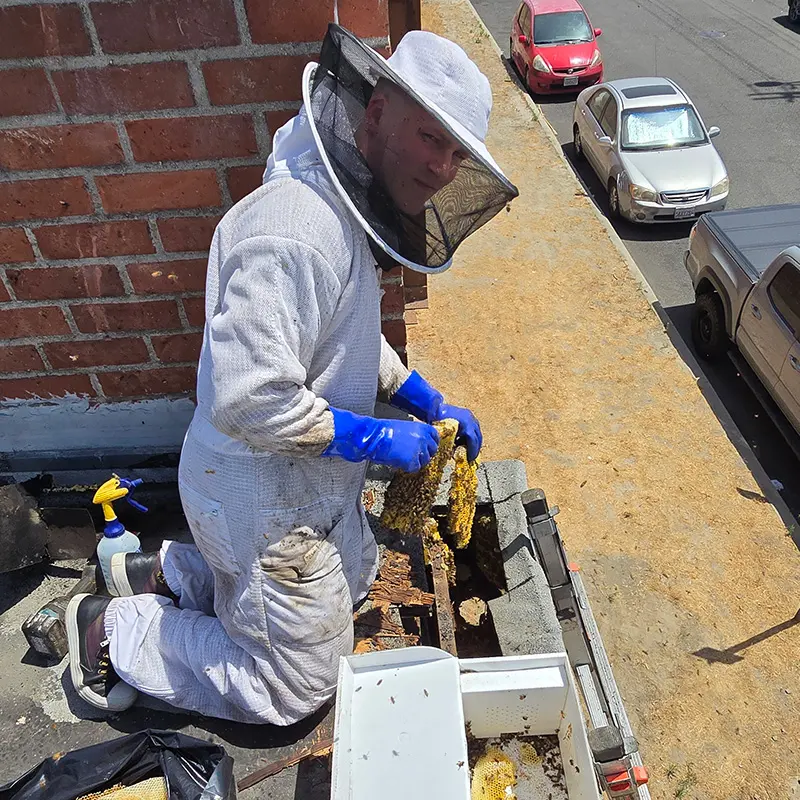
Discreet, fast service for businesses, HOAs and property managers.
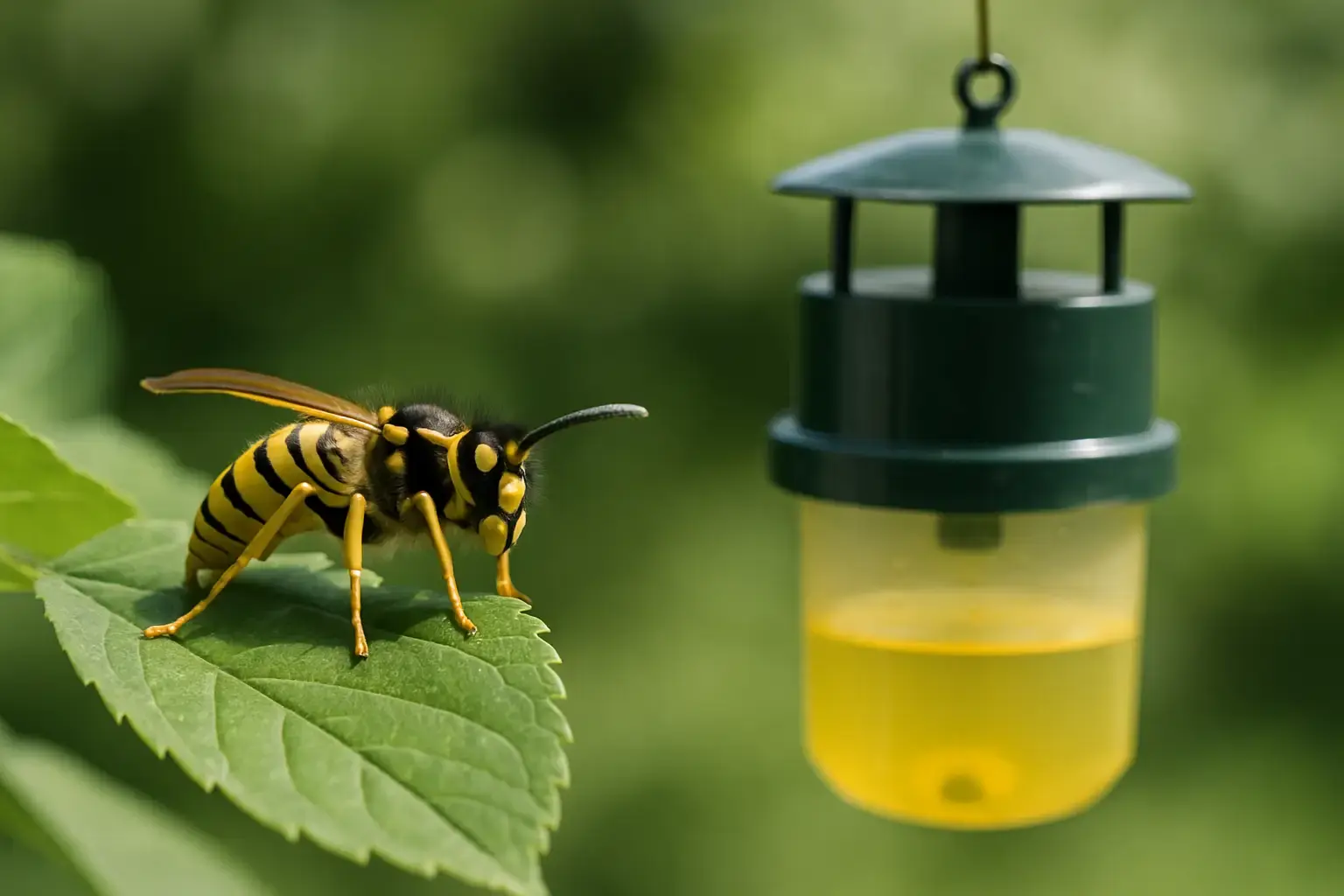
Aggressive nests in the ground or walls handled safely.
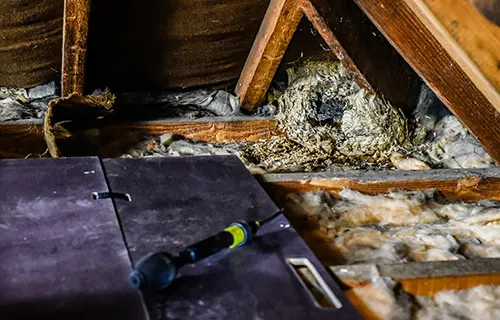
Wasp nests removed from eaves, patios and play areas.
Who we help
Finding a reliable professional is necessary when bees nest in your structure.
Expert extraction for bees nested in walls, attics, chimneys, or roofs.
Ideal for households with children, pets, or known allergies to stings.
Scalable solutions for managed communities and homeowner associations.
Discreet, efficient relocation that keeps customers safe and business running.
Anyone seeking humane, live bee removal instead of extermination.
What you get
Instead of spraying or killing bees, this approach focuses on safe removal and relocation by a local beekeeper with real field experience.
Not sure which service you need? Whether you are comparing live relocation vs. traditional extermination, we provide clear and honest guidance to help you protect your property and the environment.
The difference
| Humane bee removal | Bee extermination |
|---|---|
| Bees removed alive | Bees killed inside walls |
| No toxic chemicals | Chemical sprays often used |
| Hive fully removed | Hive often left behind |
| Prevents return | Repeat infestations common |
| Eco-friendly | Environmental harm |
Why Eli
I’m a trained beekeeper who understands bee behavior, colony structure, and relocation techniques. That’s why I remove bees alive whenever possible, protecting both your property and the environment.
Most companies kill bees. I rescue and relocate colonies to safe apiaries whenever conditions allow. No unnecessary chemicals. No shortcuts. Just responsible bee removal done the right way.
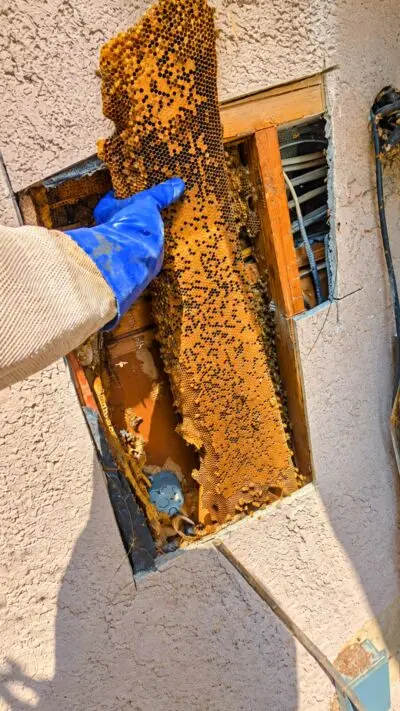
Bees don’t just leave on their own. I remove the entire hive, honeycomb, and residue, then properly seal entry points to prevent reinfestation — restoring safety and peace to your home.
Free inspections. Honest pricing. Clear communication. Homeowners across Southern California trust me because I explain the problem, show the solution, and stand behind my work.
Bees pollinate over 80% of the crops we sow to survive. Every bee I rescue is delivered to a VIP beekeeper who has been vetted to ensure the bees have access to flowers – not sugar water – and are treated with the respect they deserve. Happy bees – happy life.
I have spent several years understanding bee behavior on the job and learning from others. I will remove your swarm or hive with minimum fuss and utmost care.
All evidence of the hive is removed to discourage bees from returning to your location. I thoroughly clean wax residue and repair entrance points to discourage re-occupation.
I service all of Orange County, Los Angeles County, Riverside County and San Bernardino County, with 24-hour emergency assistance (Monday–Saturday) if household members have life-threatening allergies to bee stings.
Google reviews
“Eli was so nice and took care of our enormous bee problem! He did our inspection and removal all in the same day and it only took about an hour. We would definitely recommend his services!!”
Andrea Pastor
“I had a major beehive that was growing out of control. Eli came out, explained the process, and was able to find the queen — which was impressive cause it looked like finding a needle in a haystack. Great value for those looking for humane bee removal options!”
Max Robles
“Eli The Bee Guy!! Great name, and he did a great job! Very professional, explained what he was going to do and went right to work and did it. Again great job!”
Tracy Karvala
“Eli came through, took care of the issue, and was remarkably professional with his communication. I highly recommend his services. Not often you deal with bees on a massive scale, but it’s reassuring there are people who are passionate about taking care of them correctly while still offering a professional experience.”
Michael Sokolowski
“I found a company whose mission is to capture your inconveniently misplaced honey bees and place them with a forever nurturing home! No killing, no one left behind, and a new home. Make sure to call Eli, great work and done in 10 minutes!!!”
Cynthia Laija
“Eli showed up after I noticed some bees flying up and around the chimney stack. He got right to work, performed a thorough inspection of the chimney to ensure there were no bees building a hive, and sprayed repellant around the top. Thanks to his proactive measures and thoroughness we never had bees near the chimney again.”
Daniel Martinez
“Eli is the best! 5 stars! Professional and informative! Very easy to talk to. Texted me back whenever I asked questions. I had an outside hive in a decorative pedestal for 20 years! He took the brood and queen the first day, then returned a few days later and took my remaining bees away! Everyone was saved!!!”
w poo
“Eli was able to access and take care of our client’s bee situation quickly. He provided pictures and updated me on the process of the removal. Our company is very satisfied with his service!”
59Rett65
“Very good service, fast, and does not just kill the bees — he takes his time and relocates them. Amazing work.”
INEEDNOS33
“Very helpful and fast, would highly recommend.”
Anthony T
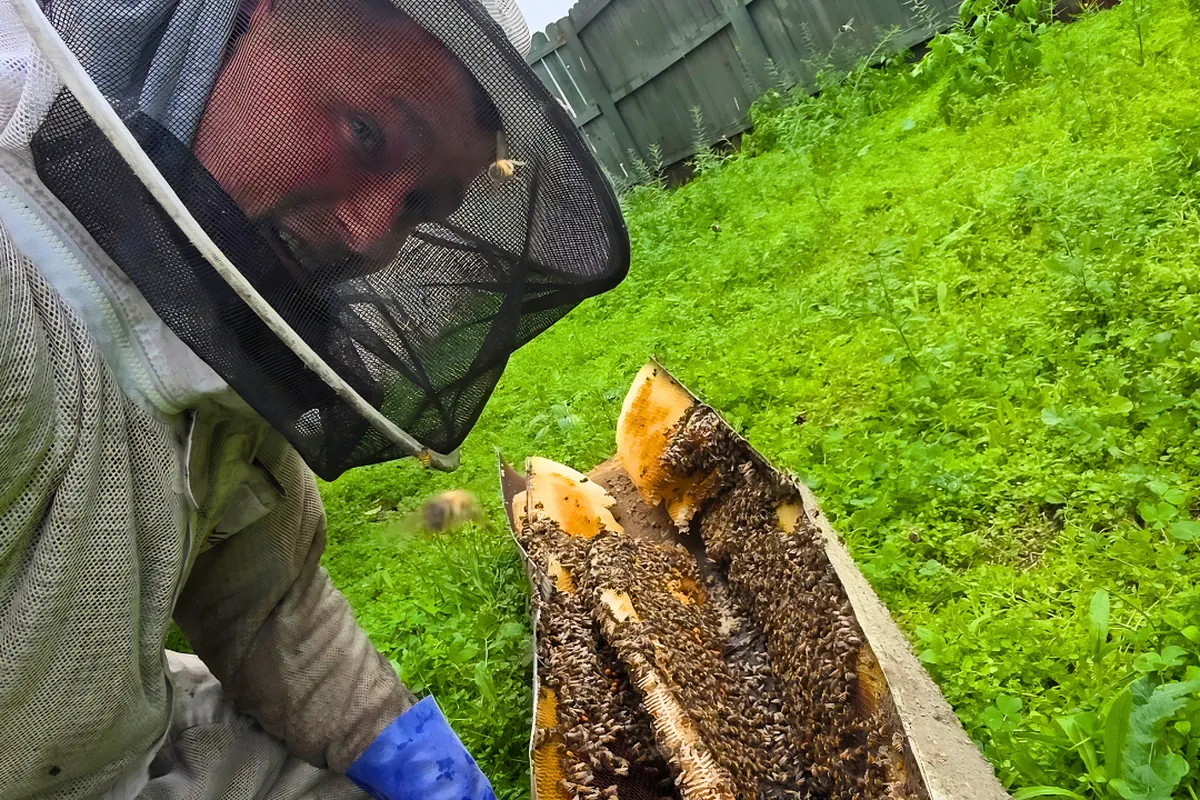
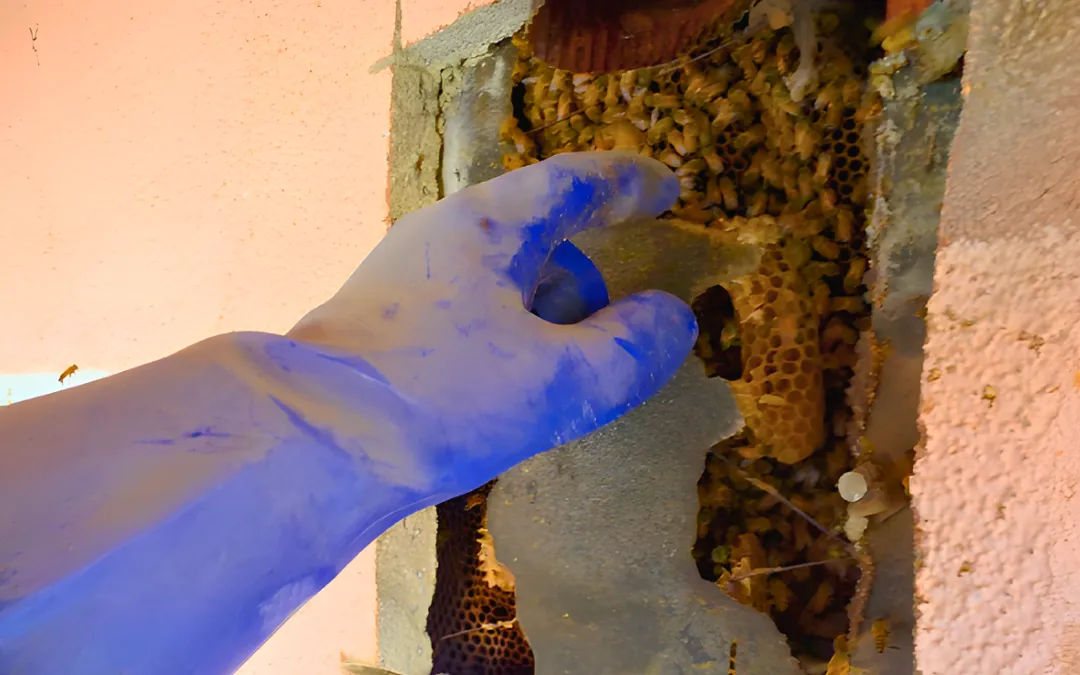
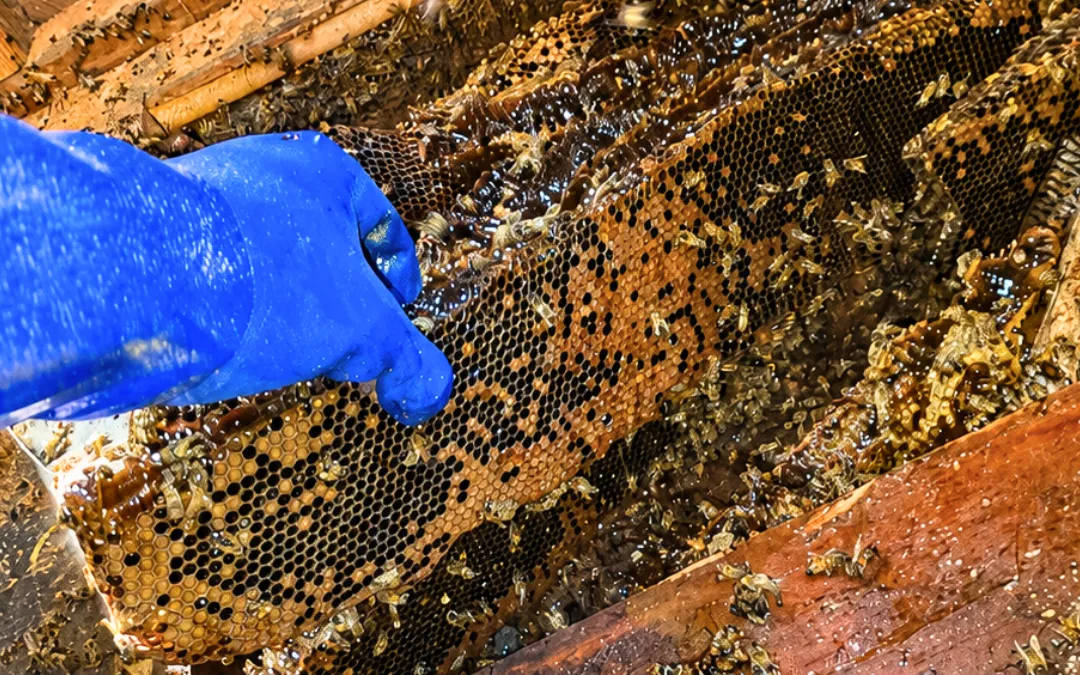
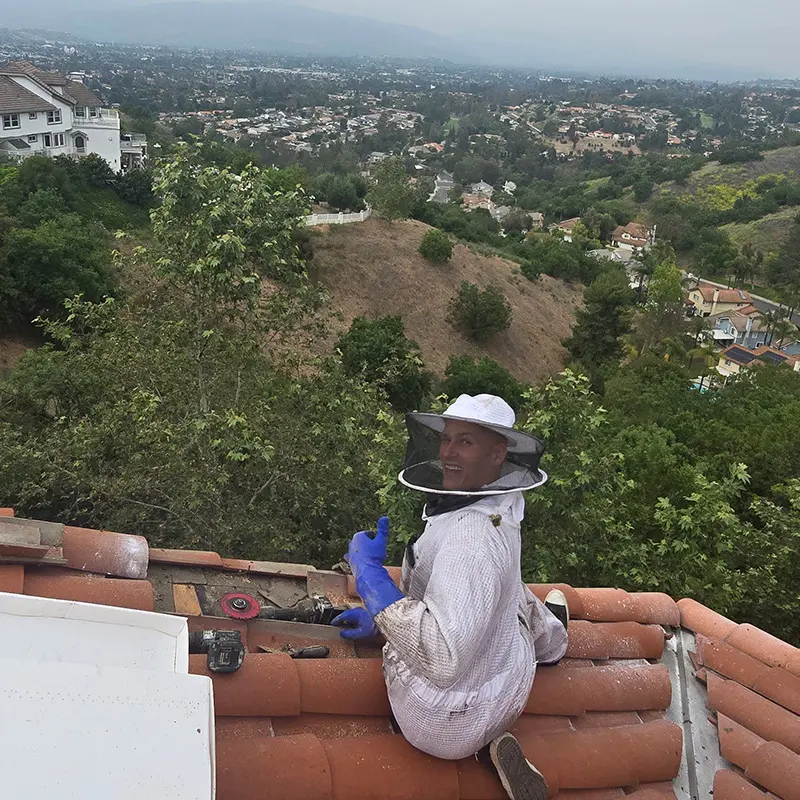
From the field
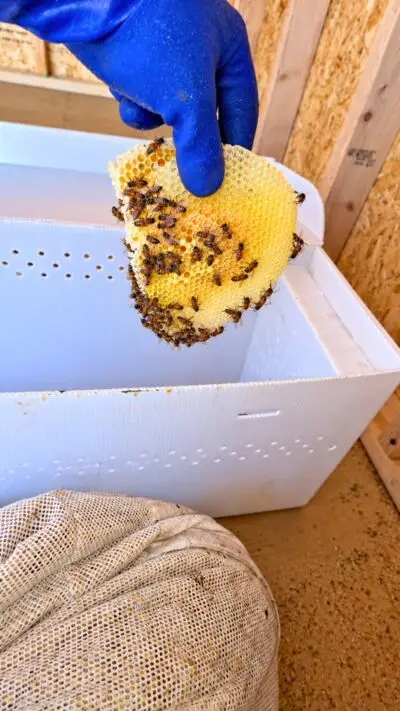
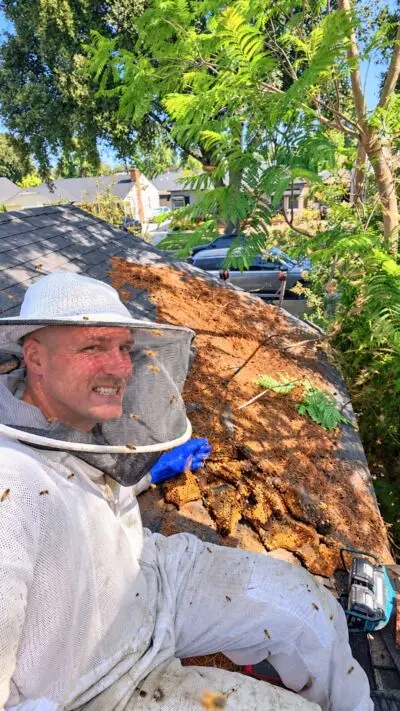
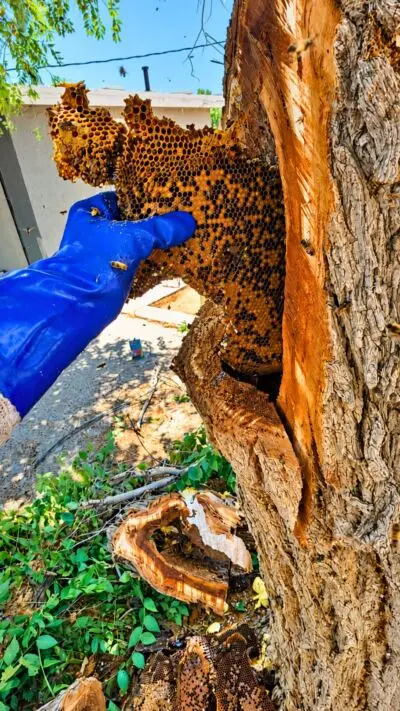
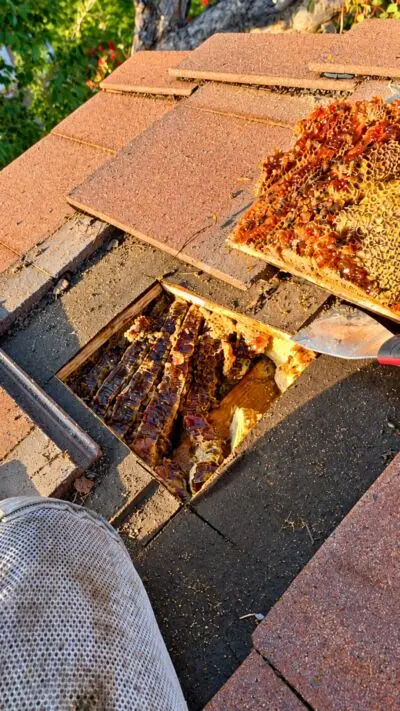
Locally-owned small business
Eli the Bee Guy can provide 24-hour emergency assistance (Monday–Saturday) if household members have life-threatening allergies to bee stings. We provide services to the following areas:
See all locations · Orange County · Anaheim · Irvine · Yorba Linda · Rancho Cucamonga · Ontario · Fontana · Riverside
Honey bee relocation · Hive removal · Killer bee removal · Wasp extermination · Calming swarms
Free consultation
Tell us what you’re seeing and where, and Eli will get back to you. For swarms or allergy emergencies, call (626) 487-6052.
Our locations
Eli the Bee Guy | Bee Removal and Rescue
Eli the Bee Guy | Bee Removal and Rescue - Orange county
Questions
If you’re in Orange County, the Inland Empire or Los Angeles County, that’s me. I cover 80 cities, from Anaheim and Irvine to Rancho Cucamonga and Riverside. Call or text (626) 487-6052 for a free inspection, or see every city I serve.
It depends on the size of the hive, where it is (a tree branch vs. inside a wall or roof), how much has to be opened up, and the cleanup and sealing afterward. The inspection is free, and you’ll know the scope and price before any work starts. More on what goes into bee removal cost.
Legitimate bee removal isn’t free. A proper live removal takes time, fuel, equipment and labor, the colony needs care afterward, and the person doing the work carries the liability during the job. What is free is my inspection: I’ll tell you what you have and what it takes before you commit to anything.
No. Honey bees are removed alive, with no chemicals, and relocated to vetted local beekeepers. I take out the comb and honey too and seal the entry so bees don’t move back in. See live bee relocation and bee hive removal.
Often, yes. I’m open 24 hours Monday through Saturday, and same-day visits are often possible. If anyone in the home has a life-threatening allergy to bee stings, call (626) 487-6052 and tell me right away.
Yes. Wasps and yellow jackets aren’t relocated like honey bees, but I handle those nests as well. See yellow jacket removal and wasp removal, or read how to tell them apart.