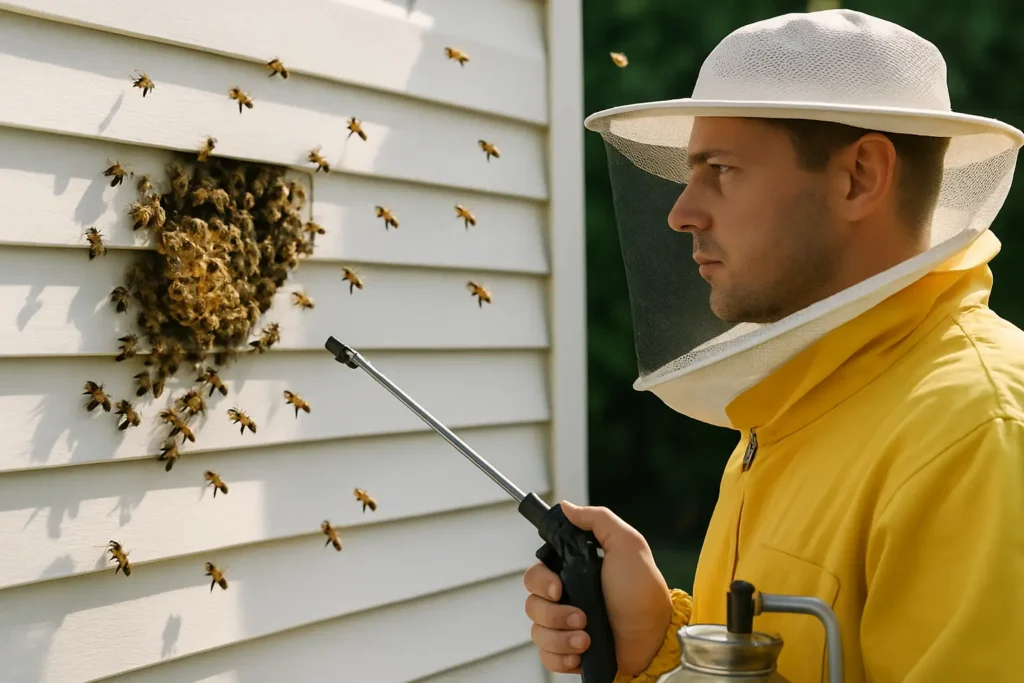
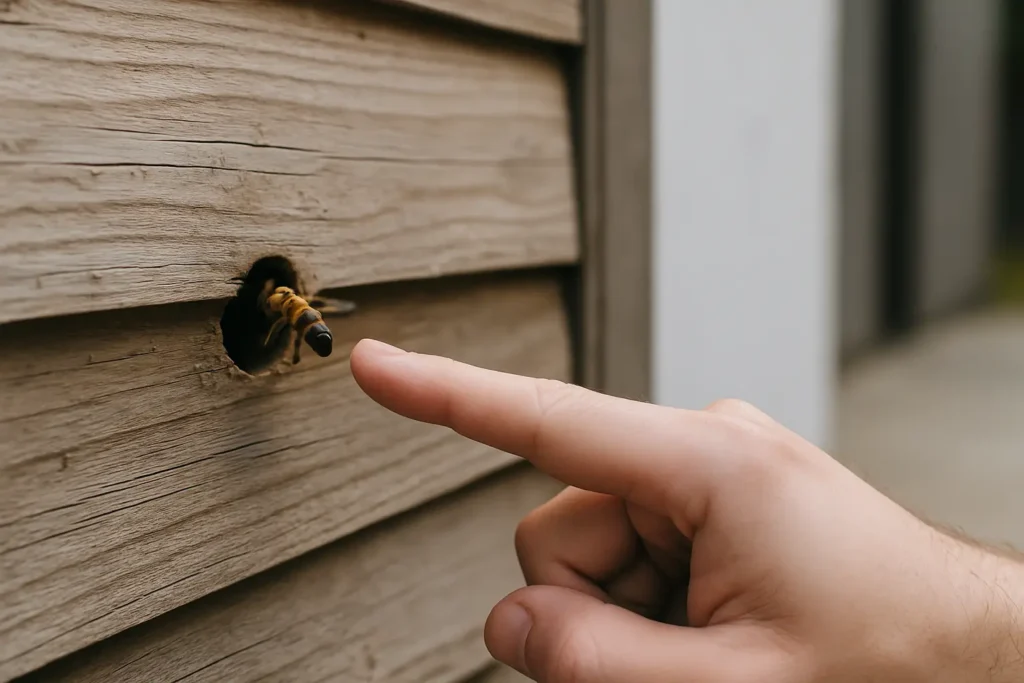
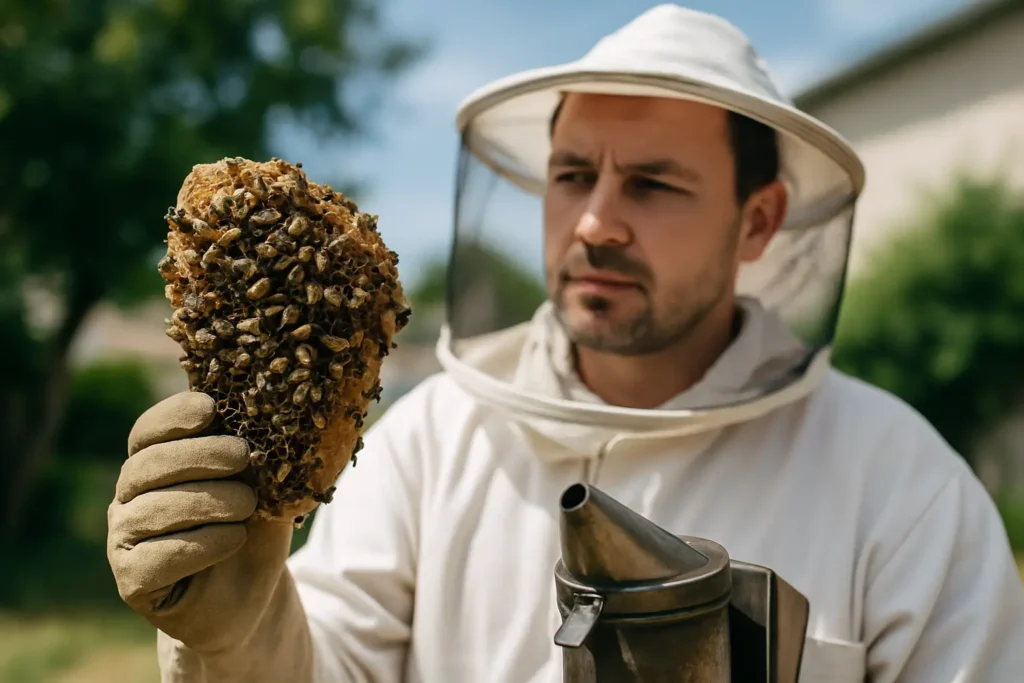
If you live or work in Southern California, you have probably seen it: a swarm clustering in a tree near a walkway, bees slipping in and out of a roofline, or a buzzing “hot spot” near a water source. The moment is usually a mix of concern and curiosity. You want your property safe – especially if there are kids, customers, or anyone with allergies – but you also do not want to be the reason a colony gets wiped out.
That tension is exactly why bee conservation is important in California. Here, bees are not just a nice-to-have part of the landscape. They sit at the intersection of food production, native ecosystems, and everyday neighborhood safety. When we handle bee issues thoughtfully, we protect people and we keep pollinators in the places they can thrive.
Why bee conservation is important in California
California feeds a lot of the country, and pollination is part of that story. Many fruits, vegetables, nuts, and seed crops rely on insect pollinators to set good yields and quality. Honey bees play a major role, and so do native bees – hundreds of different species that have evolved with California plants.
At the same time, California’s climate extremes put pressure on pollinators. Drought, heat waves, wildfire, and long dry seasons can shrink the window of time when flowers are available. Add habitat loss from development and the widespread use of pesticides in some settings, and it becomes clear why every healthy colony matters. Bee conservation is not only about saving an insect. It is about keeping a working system intact.
There is also a practical, neighborhood-level reason. When colonies are destroyed instead of removed and relocated, it does not “solve bees” in a community. It often creates a churn where new swarms move in to take advantage of the same openings, odors, or sheltered cavities. Conservation-minded solutions tend to be the same solutions that prevent repeat problems.
California agriculture depends on reliable pollination
Pollination affects how much food a plant produces and how well that food forms. If pollination is weak or mistimed, you can see smaller fruit, misshapen produce, or lower yields. California agriculture includes many crops where that relationship is especially tight.
Even if you are not a farmer, this matters for your household and business. Consistent pollination supports stable supply. When pollination struggles, ripple effects show up as price swings and reduced availability.
It is worth saying out loud: honey bees are not the only pollinators doing the work. Native bees such as bumble bees, carpenter bees, leafcutter bees, and many smaller solitary species pollinate wild plants and crops alike. Some native bees are more efficient on certain crops because they forage differently than honey bees. Conserving bees in California means caring about honey bees and protecting habitat where native bees can nest and feed.
Native plants and wild spaces need bees too
Bees are part of what keeps California’s natural areas functioning. When native plants get pollinated, they produce seeds and fruit that feed birds and other wildlife. That supports healthier soils, stronger plant communities, and the resilience of habitats that buffer us from erosion and heat.
In Southern California, where landscapes can be fragmented by roads and development, pollinators act like connectors. A bee can move pollen between pockets of habitat that would otherwise be isolated. Over time, that helps plant populations stay genetically diverse and better able to handle stress.
This is one of the reasons bee conservation is important in California even in highly urban places like Los Angeles and Orange County. Your neighborhood trees, gardens, parks, and hillsides are part of a bigger mosaic. Pollinators tie it together.
The pressures bees face in California are real and local
Most homeowners hear broad headlines about bee declines, but the day-to-day pressures often show up right in our counties.
Long hot stretches can force bees to spend more effort cooling the hive and finding water. Drought reduces flowering periods, so bees may have to travel farther to forage. Wildfires can remove forage and nesting sites in a single season, then leave behind landscapes that take time to recover.
Chemical exposure is another variable, and it is complicated. Not every product or application carries the same risk, and sometimes pest control is necessary. But pollinators can be harmed by certain pesticides and by residues that linger on blooming plants. The trade-off is real: people want to protect homes and crops from pests, but doing it carelessly can take a toll on beneficial insects.
Then there is simple loss of nesting space. Honey bees look for protected cavities – wall voids, soffits, attics, chimneys, and irrigation boxes. Native bees often nest in the ground or in hollow stems and wood. When yards are paved over, soil is compacted, and dead wood is removed everywhere, the landscape becomes harder for bees to use.
Conservation starts with what happens when bees show up on a property
Most people do not go looking for a “bee conservation moment.” It finds them – usually as a swarm or an established hive.
A swarm looks dramatic, but it is often temporary. It is a traveling colony searching for a new home. In many cases, a swarm can be collected and moved with minimal disruption, which is one of the best outcomes for both safety and conservation.
An established hive in a structure is different. It can grow large, produce honey and wax, and attract other pests if it is left alone. It can also create real risk in high-traffic areas or for anyone with severe allergies. This is where humane conservation and safety have to work together.
Why “spray and walk away” creates bigger problems
Quick chemical treatments can kill bees, but they rarely solve the whole situation. Dead bees and leftover honeycomb inside a wall can lead to odors, staining, pests, and leaking honey. Even worse, the original entry point often remains open. That means new swarms may move in later, because the site still smells like a good nesting cavity.
A more sustainable approach typically involves full removal of the hive material when it is inside a structure, followed by repair and sealing of the entry point. It is more work, but it is the difference between a temporary fix and peace and home restored.
Live removal supports both safety and conservation
When bees are removed alive and relocated to a managed apiary, you reduce sting risk at the property while keeping a functioning colony in the local pollination network. Done correctly, relocation supports natural bee behaviors – building comb, foraging, and raising brood – without forcing bees into unsafe conditions.
This is also where experience matters. Every hive is different. Access points, building materials, and colony size affect how a removal should be handled. Sometimes the safest option for people requires careful timing and containment, especially in busy commercial settings or in homes with pets and children.
If you need help with live bee removal and long-term prevention in Southern California, Eli the Bee Guy focuses on humane rescue, full hive extractions, safe relocations to vetted apiaries, and entry-point repairs so the problem does not repeat.
It depends: when conservation and safety pull in different directions
Homeowners often ask if bees should always be saved. The honest answer is that it depends on the situation.
If there is a high-risk allergy in the home, the priority is reducing immediate danger. If bees are inside a wall next to a bedroom, daycare space, or a main entrance, waiting is not a reasonable plan. If a colony is aggressive or highly defensive, that changes the approach too.
Conservation does not mean ignoring risk. It means choosing the most responsible solution available for the circumstances. Many times, that solution is live removal and relocation combined with repairs. In other situations, especially where access is impossible and safety is at stake, a property owner may face harder choices. The goal should still be to avoid shortcuts that create lingering hazards and to prevent future colonies from moving into the same spot.
What California homeowners can do that actually helps
Bee conservation is not only big agriculture and policy. It shows up in small decisions that add up across neighborhoods.
Planting for pollinators helps when it is done with intention. A few well-chosen flowering plants that bloom at different times can provide a steady food source. Water matters too, especially during heat. Even a small, shallow water source with a safe landing surface can reduce stress on foragers.
The other big help is prevention. Sealing gaps, repairing damaged stucco or fascia boards, and screening vents can reduce the chances of bees nesting in structures. That protects your home and keeps bees in better habitat.
Finally, when bees do appear, taking a breath and getting the situation identified can prevent unnecessary harm. Honey bees, bumble bees, and wasps can look similar from a distance, but the right response is not the same for each. A calm assessment is often the first step toward a solution that protects everyone.
If there is a closing thought to keep: when bees meet people, the best outcomes come from patience and a plan. You can choose safety without choosing destruction, and you can protect your property while still giving a living colony the chance to keep doing its quiet work across California’s landscapes.