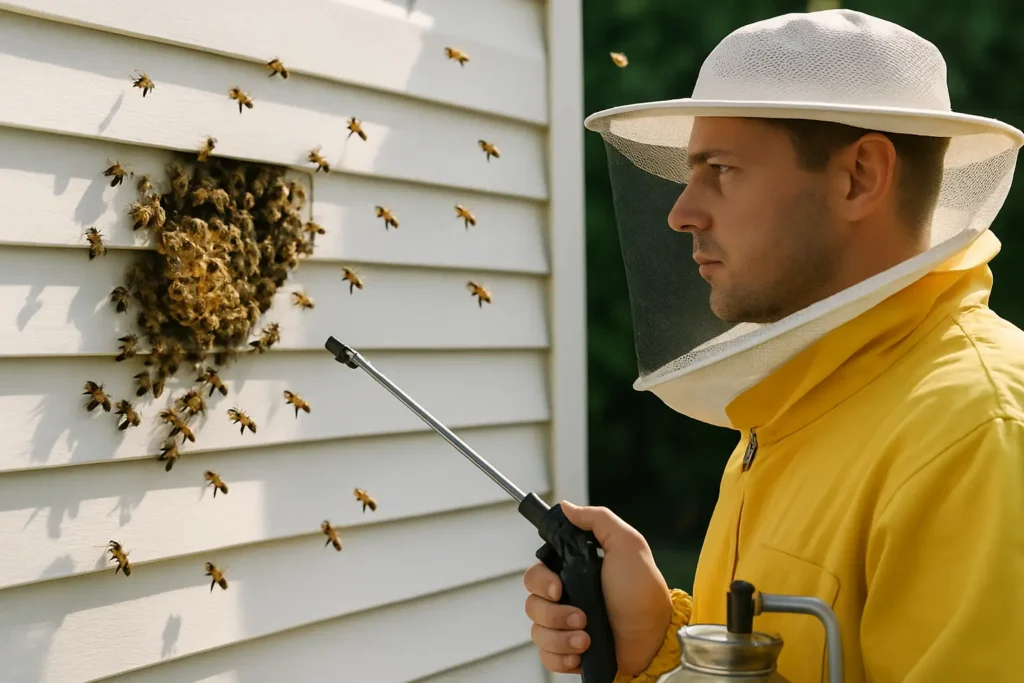
A honey bee swarm on a tree branch can look calm from a distance. Then you notice the steady stream of bees scouting your eaves, the neighbor asking if you are “going to spray,” and the very real worry about kids, tenants, or an employee with a severe allergy. In that moment, “do the right thing” can feel like it is in conflict with “fix this fast.”
Ethically driven pest management is how you close that gap. It is not passive, and it is not a lecture. It is a practical way to restore peace and home restored outcomes while respecting living systems – especially when the “pest” is actually a beneficial pollinator doing what bees have done for millions of years.
What “ethically driven pest management” really means
Ethically driven pest management starts with a simple standard: choose the least harmful method that reliably solves the problem for the people who live or work there. It prioritizes prevention and humane removal first, then escalates only when risk, species, and circumstances call for it.
For homeowners and property managers in Southern California, that approach matters because our pests are not all the same. A paper wasp nest under a patio umbrella is a very different scenario than honey bees living inside a wall cavity, and both are different from yellowjackets nesting in the ground near a playground. Ethics is not “never kill anything.” Ethics is doing what is necessary, not what is easiest – and making sure the fix actually lasts.
The best ethical programs share a few traits. They identify the species accurately, they focus on root causes (entry points, attractants, nesting cavities), and they avoid blanket chemical use. They also keep safety front and center, including realistic guidance for households with allergies.
The biggest misconception: “humane” means “do nothing”
When people hear “ethical,” they sometimes picture a slow, uncertain process. In reality, the most humane approach is often the most effective because it is thorough.
Spraying a visible cluster of bees might clear activity for a day or two, but it can leave a hive inside the structure. That can mean lingering bees, honey and wax melting in the heat, odors, stains, ants, and re-occupation later. A quick chemical solution can turn into a long, expensive chain reaction.
Ethically driven pest management asks a different first question: why are they here? Once you answer that, the next steps become clear – and you are far more likely to end up with a permanent solution.
A practical decision framework for homes and commercial properties
Ethics becomes actionable when you can make consistent decisions. Here is a grounded way to think about it.
Start with accurate identification
Before any treatment, confirm what you are dealing with. Honey bees, bumble bees, carpenter bees, paper wasps, mud daubers, and yellowjackets behave differently and require different responses.
Misidentification is one of the main reasons “ethical” attempts fail. For example, honey bees in a wall typically require removal and repair, not a repellent. Yellowjackets in the ground near foot traffic may require swift control because the risk profile is higher.
Evaluate risk honestly
Ethical work is still safety-first. Consider where the activity is and who is nearby. A hive 20 feet up in a tree line may be manageable with monitoring and education. A colony in a wall by a bedroom, daycare entrance, or busy walkway is a different story.
If anyone on site has a known history of anaphylaxis, the ethical choice may be the fastest risk reduction available. The key is to choose the safest effective method, not necessarily the gentlest-looking one.
Choose the least harmful option that actually solves it
This is the heart of ethically driven pest management. Prevention and exclusion come first. Live removal and relocation come next when feasible. Targeted treatment is a last resort, used carefully when the species, location, and danger level justify it.
Bees are a special case – and Southern California sees them often
Honey bees are not just another nuisance insect. They are critical pollinators, and many colonies you see swarming are simply looking for a new home. Swarms are often temporary and, when handled correctly, can be rescued and relocated.
A common scenario across Los Angeles, Orange, Riverside, San Bernardino, and Ventura counties is bees moving into a wall void, attic, chimney, or under roof tiles. Once comb is established, the situation changes. At that point, a real solution typically means removing the colony and the hive material, then repairing entry points so you are not dealing with repeat visits.
Ethically, the goal is bees rescued when possible – and a property that stays protected after they are gone.
Live removal and relocation: what “humane” looks like in practice
A humane bee removal is not just catching flying bees. It is a full process that considers the colony, the structure, and what will happen next.
It usually involves controlled access to the hive location, careful removal of comb and bees, and steps to encourage the queen and remaining workers into a secure transport setup. Afterward, the site is cleaned to reduce residual attractants, and the entry point is repaired so future swarms do not move right back in.
Relocation also matters. Moving bees to a vetted apiary that supports natural bee behaviors helps ensure they have a stable chance to thrive, rather than being dumped somewhere that cannot support them.
Prevention is the most ethical tool you have
The least harmful pest control is the kind you never have to do twice.
For homeowners, prevention often looks like sealing gaps where bees and wasps can enter, maintaining soffits and vents, keeping irrigation leaks from creating constant water sources, and managing fruit drop that can attract yellowjackets.
For commercial properties, prevention is often about consistency. Regular exterior inspections, sealing utility penetrations, maintaining dumpster areas, and training staff on reporting early signs of activity can stop a small issue from turning into an emergency call.
This is where ethical and practical goals align: prevention reduces the need for pesticides, reduces repeat visits, and keeps people safer.
When chemicals enter the conversation
Ethically driven pest management does not pretend chemicals never have a place. It treats them as a tool with consequences.
There are situations where targeted treatment is the responsible choice, especially with high-risk stinging insects in high-traffic areas, or when removal would create a greater hazard than control. The ethical standard is to avoid broad applications and use the minimum effective amount, applied precisely, with proper timing and safeguards.
If a provider cannot clearly explain what they are using, why they are using it, and how it affects people, pets, and non-target insects, that is a red flag.
What to look for in an ethically driven pest professional
You do not need to memorize entomology to hire well. You need a few reliable signals.
A truly ethical provider will ask questions before offering a price. They will want to know where the activity is, how long it has been happening, whether anyone has allergies, and what the structure is made of. They will talk about prevention and repairs, not just “treatment.”
They will also set expectations. Ethical work can take longer than a quick spray because it is doing more. If a hive is inside a wall, solving it responsibly may require an extraction and then closing the access point. That is not upselling. That is what prevents the next colony from moving in.
If you are dealing with bees specifically, it helps to choose a specialist who focuses on live removal, full hive extractions, safe relocation, and entry-point repairs – the combination that turns a stressful situation into peace and home restored. For Southern California property owners who want that approach, Eli the Bee Guy is built around humane bee rescue and long-term prevention.
A few “it depends” scenarios homeowners ask about
Some situations do not have a single right answer, and an ethical approach acknowledges that.
If you see a swarm resting on a branch, it may move on within a day or two. But if it is near a doorway, playground, or high-traffic business entrance, waiting may not be safe or practical.
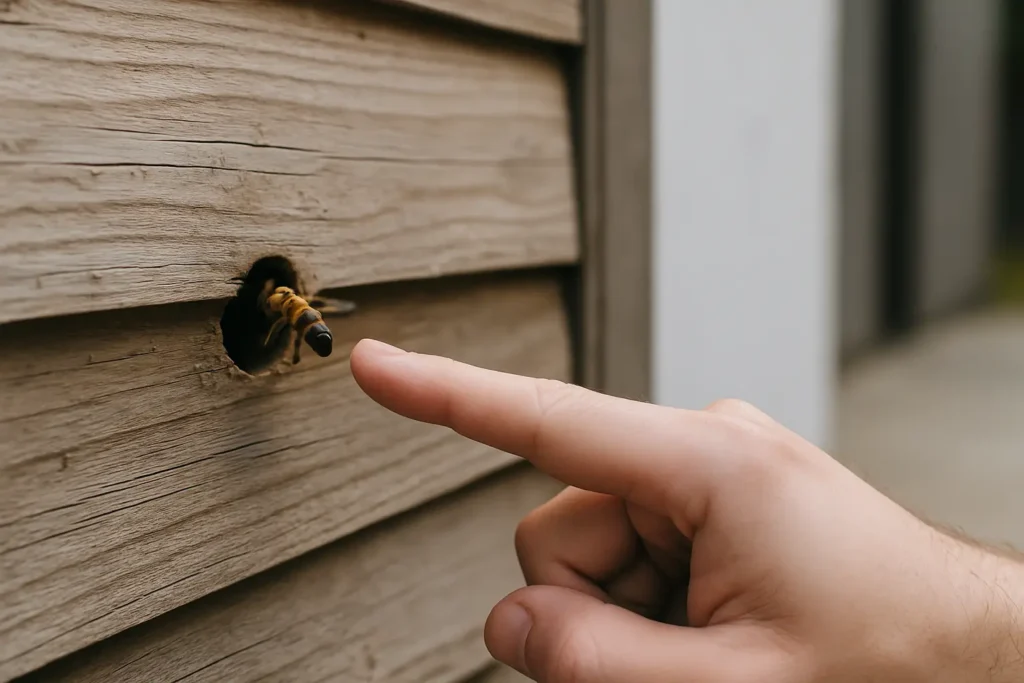
If bees are entering a hole in siding, that suggests an established colony, not a passing swarm. In that case, the kindest long-term outcome is usually removal plus repair, because leaving them there increases the chance of structural mess and future conflict with humans.
If you are tempted to use store-bought sprays, consider the trade-off: you may kill some insects, but you may also drive survivors deeper into the structure, miss the queen, or create secondary problems. Ethics is not only about the insects. It is also about avoiding preventable damage to your home or building.
The bottom line: ethics and effectiveness are not rivals
Ethically driven pest management works because it treats pest problems like systems, not surprises. It respects the role of beneficial insects, reduces unnecessary harm, and still takes safety seriously when risks are real.
If you are facing a bee or wasp issue, the most helpful next step is not panic and it is not procrastination. Take a breath, get the species identified, and choose a solution that leaves your property safer tomorrow than it was today – with as little harm as possible along the way.