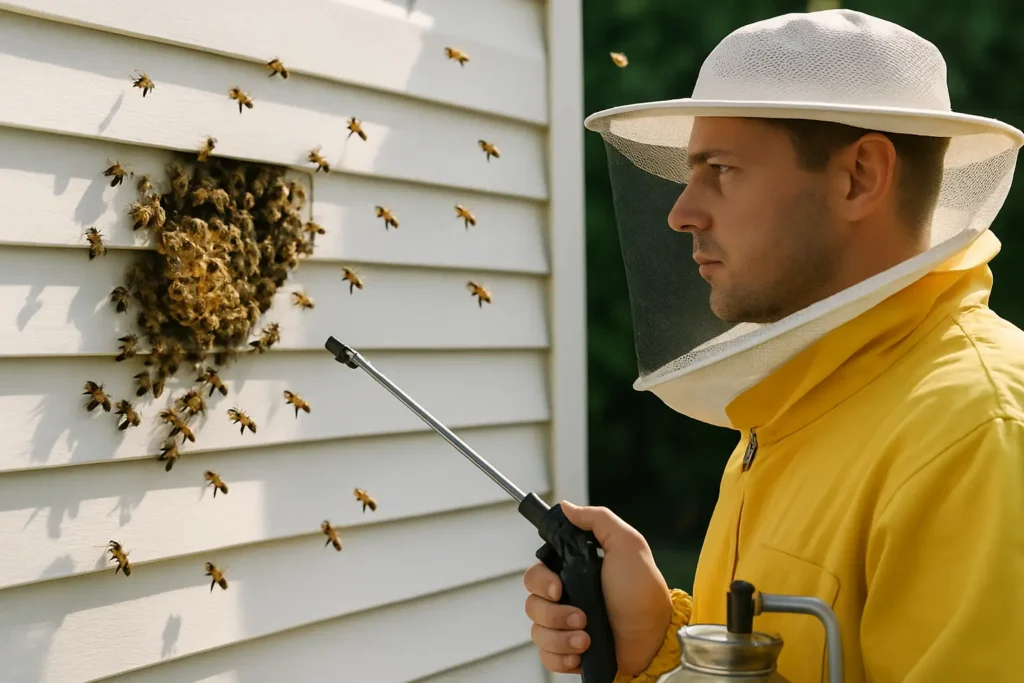
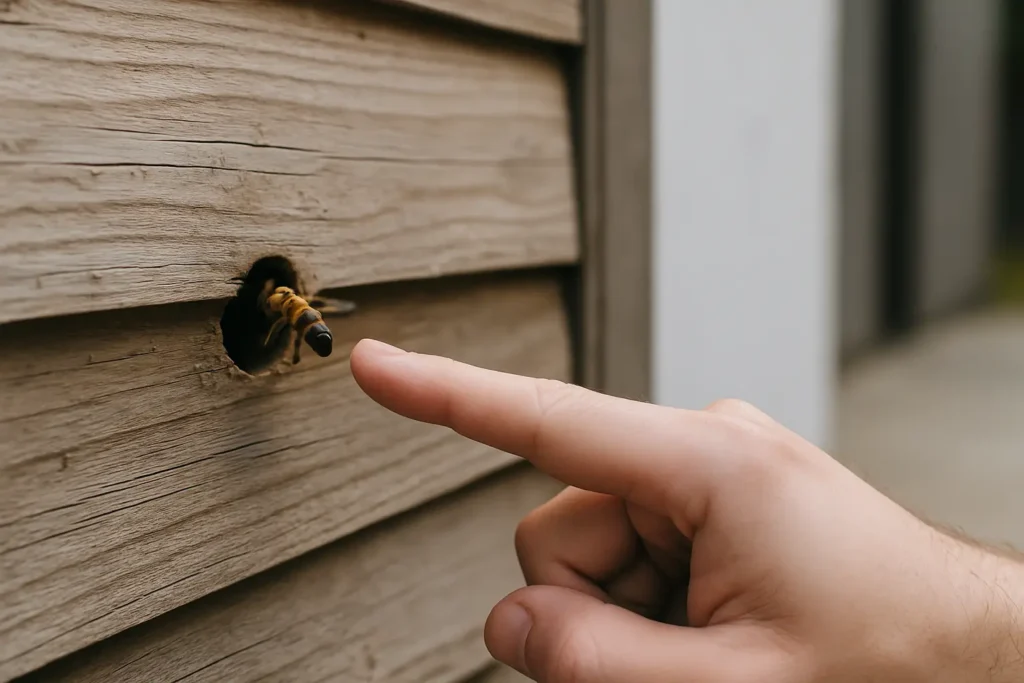
You notice the problem at the worst possible time: guests arriving, a tenant calling, or a kid pointing at a buzzing corner of the yard. The first impulse is to grab a spray and make it stop. But in Southern California, that quick fix can create a bigger mess – and it can harm the very pollinators that keep our gardens, citrus, and landscapes thriving.
Bee-friendly pest control solutions are not about letting pests run the place. They are about choosing methods that solve the issue while keeping beneficial insects, especially bees, out of the blast zone. Done right, you get peace and home restored without turning your property into a chemical minefield.
What “bee-friendly” really means in pest control
“Bee-friendly” is not a single product or a label you can trust blindly. It is a decision-making process.
A bee-friendly approach starts with the question, “What exactly am I dealing with?” Many stinging-insect situations are misidentified. Honey bees are often confused with yellowjackets, paper wasps, or even harmless hoverflies. The right solution depends on correct ID, because the safest method for bees might be ineffective for wasps – and the strongest wasp treatment could be devastating to a nearby pollinator area.
It also means prioritizing tactics that reduce exposure. Bees are most at risk when insecticides drift onto blooms, get tracked back to hives on foraging bodies, or contaminate water sources. The best solutions control pests by removing what attracts them and blocking how they get in, not by coating the environment.
Start where pests start: food, water, shelter
Most pest issues are permission slips we didn’t mean to sign.
If ants are marching into a break room or kitchen, they are following a food trail. If roaches show up, there is moisture and hiding space somewhere. If rodents move in, there is a gap, a crawl space entry, or a food source outside.
The most bee-friendly pest control solutions begin with sanitation and habitat changes because they are targeted and non-toxic. Tighten up trash handling, keep dumpsters closed, rinse recycling, and remove outdoor pet food at night. Fix leaks, keep irrigation from constantly soaking one area, and clear heavy clutter away from walls. In landscaped commercial properties, avoid constant standing water in planters and drain trays.
This is not just “nice to do.” It is often the difference between a one-time service call and a cycle of repeated treatments.
Exclusion and repair: the long-term fix
If a pest cannot enter, it cannot become a recurring issue.
Exclusion means sealing access points and repairing damaged areas so pests cannot return. For property managers, this is the difference between a complaint that keeps coming back and one that stays solved.
Focus on the basics: door sweeps, intact screens, sealed utility penetrations, and gaps around eaves and soffits. Rodents can squeeze through surprisingly small openings, and many insects only need a crack. For stinging insects, pay attention to rooflines, voids around fascia boards, and areas where wood has separated.
The trade-off is that exclusion takes time and inspection. It is not as instant as a spray. But it is one of the most bee-friendly choices you can make because it reduces the need for chemical intervention in the first place.
Smarter product choices when you do need treatment
Sometimes, you truly do need a pesticide. The goal then becomes minimizing risk to bees while still controlling the target pest.
A bee-friendly strategy usually favors baits, gels, and contained applications over broadcast spraying. Ant baits, for example, can be placed in secure bait stations that keep exposure limited. Roach gels can be applied in cracks and crevices where bees never contact them. Targeted dusts inside wall voids may be appropriate for some situations when applied correctly and legally, but they should not be used casually because misapplication can spread.
If spraying is necessary, timing and placement matter. Avoid spraying flowering plants entirely. Treat structural entry points rather than “fogging” open areas. Apply when bees are not actively foraging, and never apply where runoff can reach gutters, storm drains, or puddles.
One important “it depends” point: many over-the-counter “natural” products are still harmful to bees. Essential oil-based sprays can repel or kill beneficial insects just as easily as pests, especially if applied on blooms.
Yard and landscape practices that protect pollinators
In Southern California, our yards and common areas can be pollinator highways. That is a good thing – until pest control turns those spaces into danger zones.
If you are managing mosquitoes, start with water management. Remove standing water, clean gutters, refresh birdbaths frequently, and keep drain lines clear. Mosquito control that relies on eliminating breeding sites is far more bee-friendly than constant yard spraying.
For garden pests like aphids, scale, and whiteflies, your first move does not need to be chemicals. A hard spray of water can knock down aphids. Pruning heavily infested stems can stop spread. Encouraging beneficial insects and avoiding excessive nitrogen fertilization can reduce outbreaks.
If you must treat plants, choose targeted applications and avoid open blooms. Treating after petals drop, or treating non-flowering areas, reduces risk. Even then, label directions and local regulations matter. Bee-friendly is not a guess.
Stinging insects: when to leave it alone, and when not to
This is where most people get stuck. A swarm lands on a tree. Bees are entering a wall. A nest appears under an awning. What is the bee-friendly choice?
A swarm is often temporary. Honey bee swarms are typically resting while scout bees search for a new home. They can look intense, but they are usually not aggressive when swarming. If the swarm is not in a high-traffic area, the most bee-friendly solution may be to give it time and space.
A colony inside a wall or roof is different. Once bees move into a structure, they can build comb, store honey, and attract other pests. If the colony is killed with chemicals, the comb and honey often remain. That can mean odor, staining, and ants, roaches, or rodents moving in later. It can also create a lingering hazard if residues remain in the structure.
When bees are in a building, humane removal and proper repair are often the safest long-term option. That usually means live removal of the bees, extraction of the comb, cleaning the cavity as needed, and closing the entry point so the problem does not repeat.
If you are dealing with yellowjackets or paper wasps, the plan changes. Those are not honey bees, and the risks can be different, especially around schools, loading docks, patios, and high-traffic walkways. A bee-friendly professional will still aim for targeted control, but the ethical and practical considerations are not identical.
What to do right now if you suspect honey bees
If you see steady bee traffic going into a hole in stucco, fascia, a vent, or under roof tiles, do not seal the opening. Trapping bees inside can push them into other parts of the structure and increase stress and defensiveness.
Avoid spraying anything into the opening. Aside from the humane issue, it can create a contaminated cavity that is much harder to clean up. It can also lead to exactly what property owners dread later: seepage, odor, and secondary pests.
If allergies are a concern, increase distance immediately and control access to the area. For commercial properties, that may mean temporary signage and keeping staff or tenants away from the flight path.
For live removal and repairs, a specialist who focuses on humane relocation is your best bet. In Southern California, that is the kind of situation we handle every day at Eli the Bee Guy: bees rescued, properly relocated, and entry points repaired so your space stays peaceful.
How to vet “bee-friendly” pest control claims
If you are hiring help, you should not have to guess whether a plan protects pollinators.
Ask where products will be applied and whether flowering plants will be treated. Ask what the plan is after the pests are gone: will access points be sealed, or will you be back in the same spot in a month? If someone proposes broad exterior spraying as the first step for every problem, that is not a bee-first mindset.
Also ask how they determine what insect they are dealing with. A professional should be willing to identify honey bees versus wasps, and explain why the approach changes.
The real goal: fewer treatments, not stronger ones
The most effective bee-friendly pest control solutions have a simple theme: reduce the number of times you need treatment at all.
When you remove attractants, fix moisture, and seal entry points, pests have fewer reasons to show up. When you use targeted baits and contained applications instead of blanket sprays, you reduce collateral damage. When you treat bees as the beneficial animals they are, you protect your property and your local environment.
You do not have to choose between safety and ethics. With the right approach, you can keep your home or property comfortable, protect people with sting allergies, and still give pollinators the respect they deserve.
If you are ever unsure, pause before you spray. That one moment of patience is often what keeps a manageable situation from becoming an expensive repair – and it can be the difference between bees rescued and bees lost.