
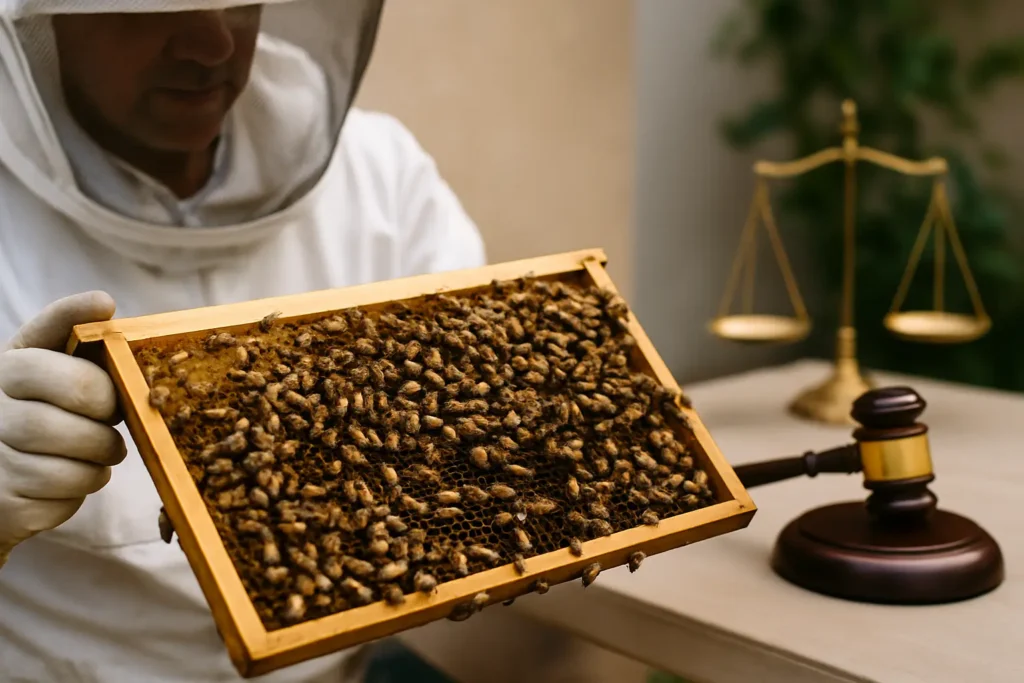
Bee Removal Laws in California Explained
Understanding bee removal laws in California helps you protect people and bees. Learn what’s legal, when to call a pro, and how removals should happen.
Understanding bee removal laws in California helps you protect people and bees. Learn what’s legal, when to call a pro, and how removals should happen.
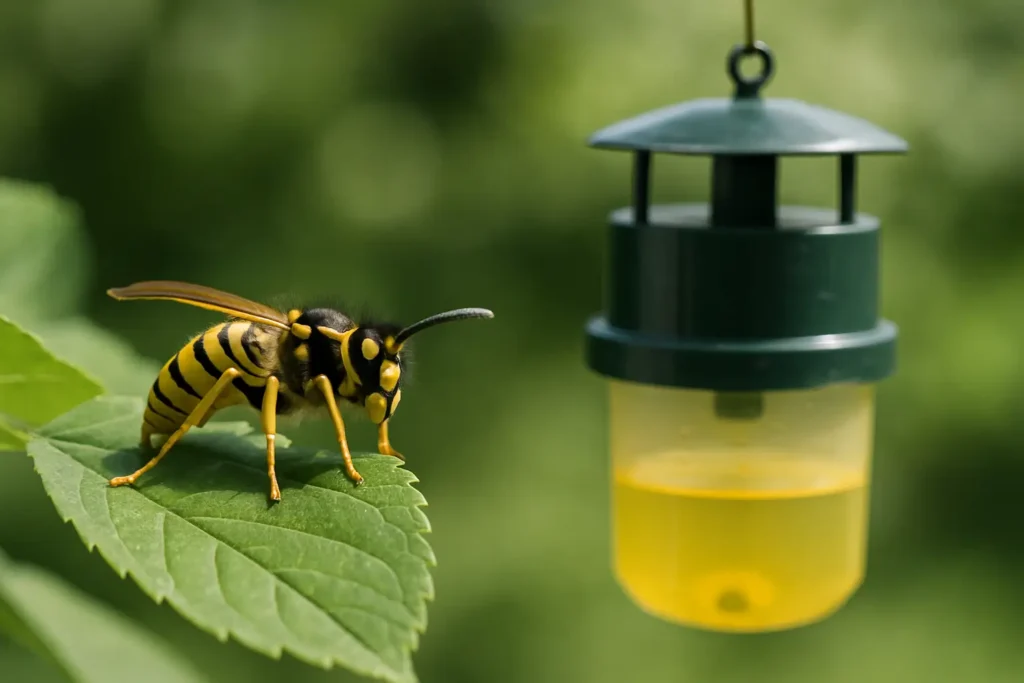
A guide to humane yellowjacket control methods for Southern California properties – safer steps, prevention tips, and when to call a pro.
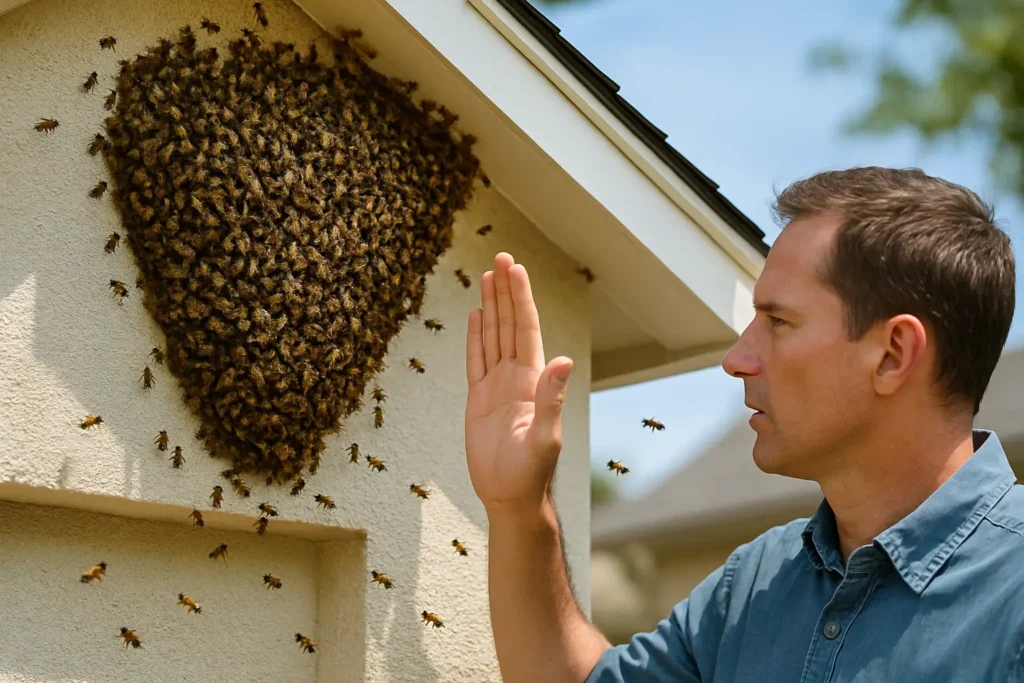
Bee swarm safety tips for homeowners: what to do when bees gather, how to keep family safe, and when to call for humane removal.
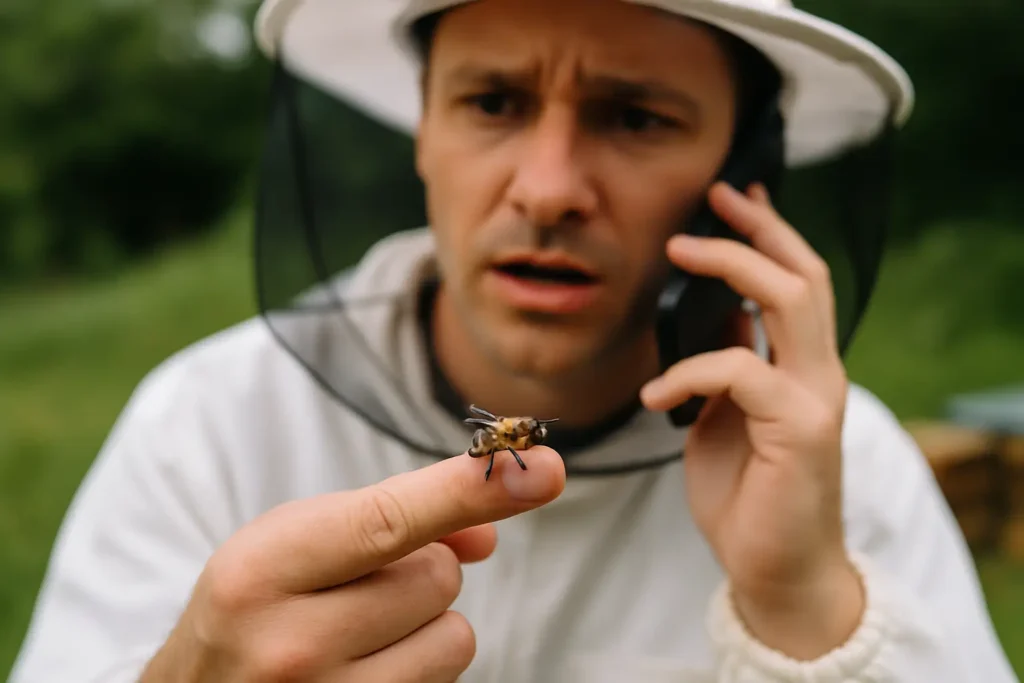
Need a bee emergency response service California property owners can trust? Learn what to do, what to avoid, and how humane removal restores safety.
Bee Emergency Response in California: What to Do Read More »
Learn sustainable pest management practices that protect people and pollinators, prevent re-infestations, and reduce chemical use at home.
Learn why bee conservation is important in California, from crop pollination to wild habitats, and how humane bee relocation keeps people safe too.
Natural bee behavior understanding helps you spot swarms vs. hives, reduce risk, and choose humane removal that restores peace and home safely.
Natural Bee Behavior: What Your Property Tells Us Read More »
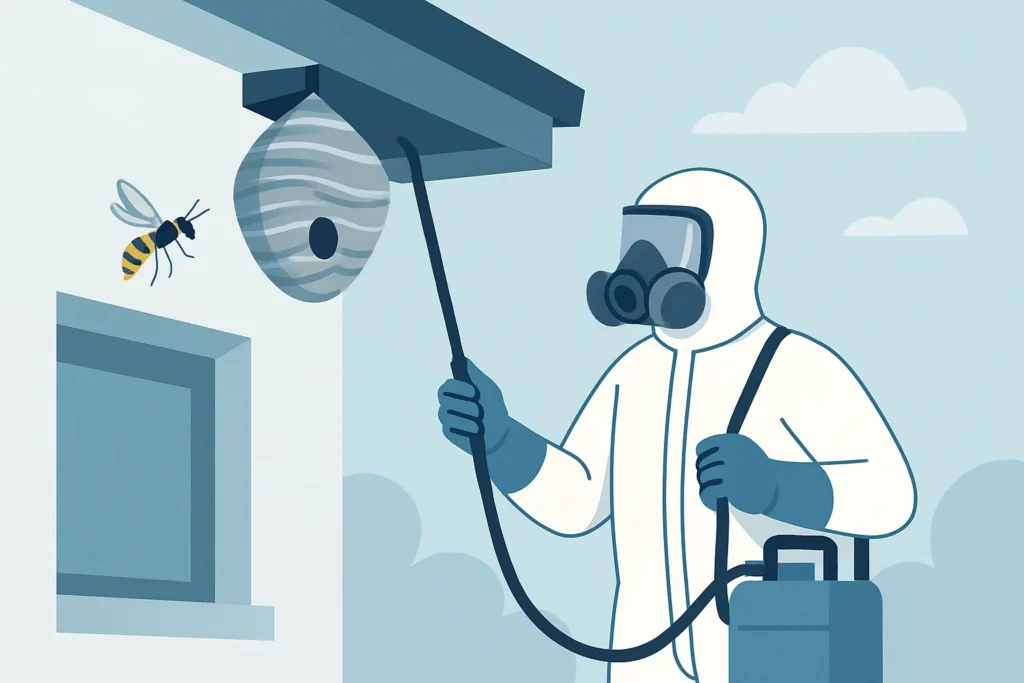
Learn the safe wasp nest extraction process, from identification and timing to protective gear, removal, cleanup, and preventing re-nesting.
Practical eco-friendly pest control options for Southern California homes: prevent pests, protect pollinators, and choose safer treatments that last.
What to do if a bee hive is in your wall: how to confirm it, stay safe, avoid sprays, and get humane removal plus repairs that prevent return.