Why Spring Is the Worst Time to Ignore a Bee Problem: Understanding Urgent Risks and Removal Needs
As temperatures rise and the natural world reawakens, the spring season marks a critical period for honey bee activity, leading to a significant increase in swarming and nest establishment. For property owners, particularly in regions like Southern California, this heightened activity translates into an elevated risk of bee infestations. Ignoring these early-stage problems can rapidly escalate into severe structural damage, significant health hazards, and substantial financial burdens. This comprehensive article elucidates the biological imperatives driving spring bee behavior, details the multifaceted risks associated with delayed intervention, and underscores the critical importance of professional, humane bee removal. Understanding these dynamics is paramount for proactive property management and ensuring the safety of occupants. Learn how timely action can protect your home and family.
We delve into the ecological factors contributing to increased bee activity in spring, the inherent dangers of neglected infestations, methodologies for early detection, and the compelling reasons why expert removal remains the safest and most effective recourse.
Why Are Bees More Active and Problematic in Spring?
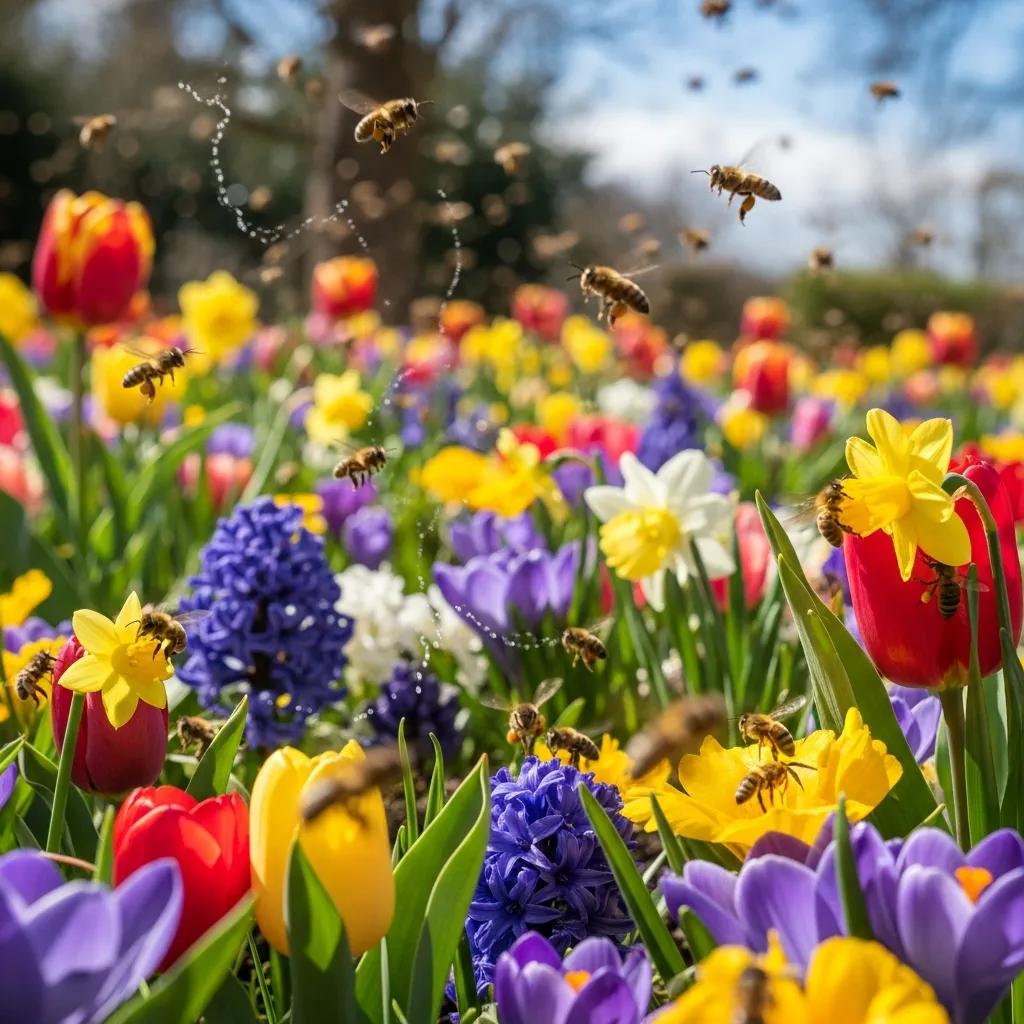
Spring provides the optimal environmental conditions for honey bee colonies: consistently warmer temperatures and an abundance of floral resources. This confluence of factors stimulates intense foraging, exponential colony growth, and the natural phenomenon of swarming—making homeowners, particularly in biodiverse regions like Southern California, acutely aware of emergent bee issues.
What Causes Increased Bee Activity and Swarming in Spring?
Several interconnected biological and environmental factors drive the surge in bee activity during spring:
- Temperature Changes: Milder ambient temperatures signal the end of winter dormancy, prompting bees to increase foraging flights and expand their operational range.
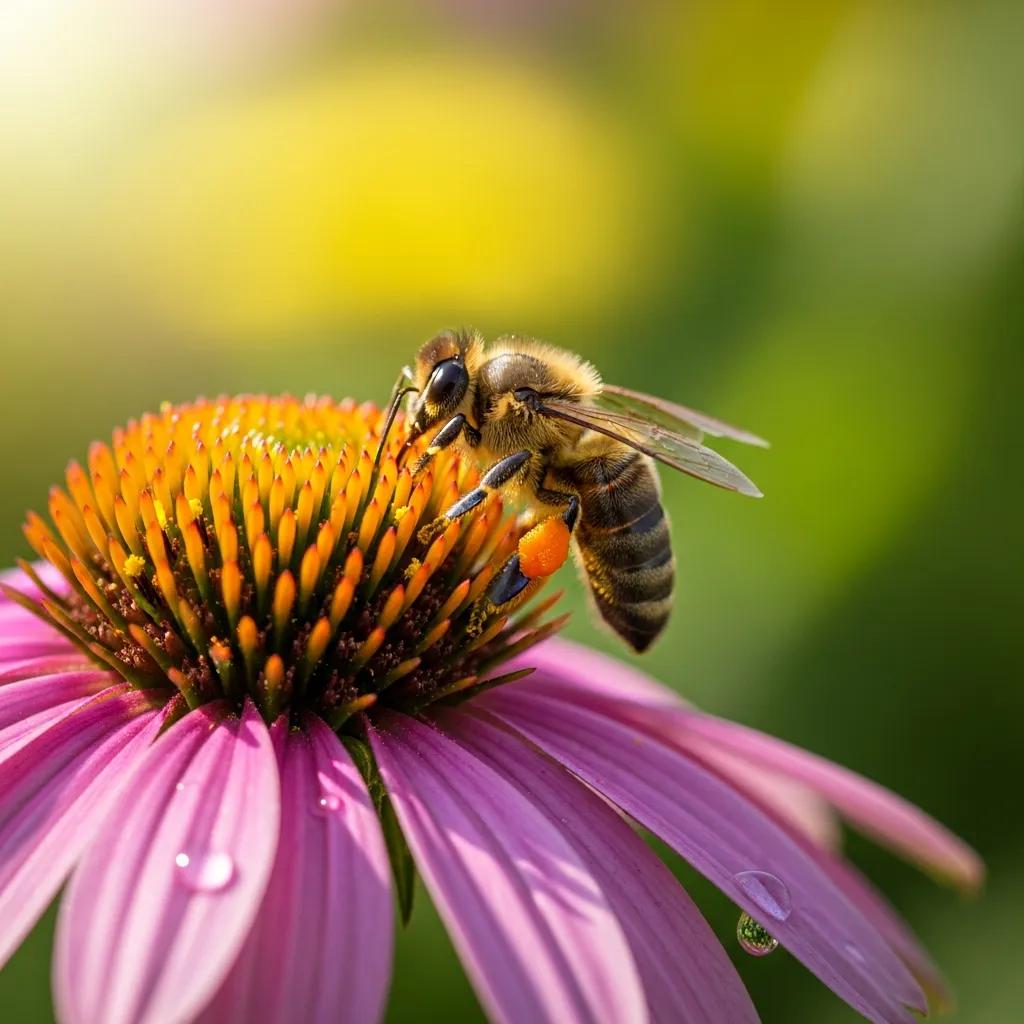
- Availability of Nectar and Pollen: The proliferation of fresh blooms provides a rich supply of nectar (carbohydrates) and pollen (protein), essential for larval development and colony sustenance, thereby drawing bees into residential areas.
- Colony Dynamics and Reproduction: Queens significantly increase their oviposition (egg-laying) rates in spring, leading to rapid population expansion. When a colony outgrows its existing space, a portion of the bees, along with the old queen, will swarm to establish a new nest, a process vital for species propagation.
A thorough understanding of these triggers empowers homeowners to anticipate and mitigate potential infestations.
Zacepins, A. (2021). When It Pays to Catch a Swarm—Evaluation of the Economic Importance of Remote Honey Bee (Apis mellifera) Colony Swarming Detection.
While various management techniques can mitigate the frequency of swarming events, swarming itself is an intrinsic and unavoidable aspect of honey bee (Apis mellifera) colony behavior, representing a natural reproductive strategy where a portion of the colony departs to establish a new nest.
How Does Spring Bee Behavior Affect Southern California Properties?
The unique climate and flora of Southern California amplify the impact of spring swarming and nesting habits on residential and commercial properties:
- Increased Risk of Swarming: Swarms frequently alight on structures or vegetation near homes, often leading to the establishment of permanent nests within eaves, attics, wall voids, or other sheltered architectural elements.
- Potential for Structural Compromise: As established hives expand within concealed spaces, the accumulation of beeswax, honey, and propolis can exert pressure on building materials, leading to compromised structural integrity, insulation degradation, and moisture retention.
- Elevated Health Risks from Stings: Greater bee activity in proximity to human habitation inherently increases the probability of stings, which can range from painful localized reactions to severe, life-threatening anaphylactic shock in sensitized individuals.
Vigilance during the spring season is crucial for minimizing the likelihood of unexpected infestations and expanding the available options for safe, humane removal.
What Are the Dangers of Ignoring Spring Bee Infestations?
Procrastinating the resolution of a spring bee problem can lead to a rapid escalation of risks, primarily encompassing significant harm to human health and extensive property damage.
How Do Bee Hives Cause Structural Damage and Honey Seepage?
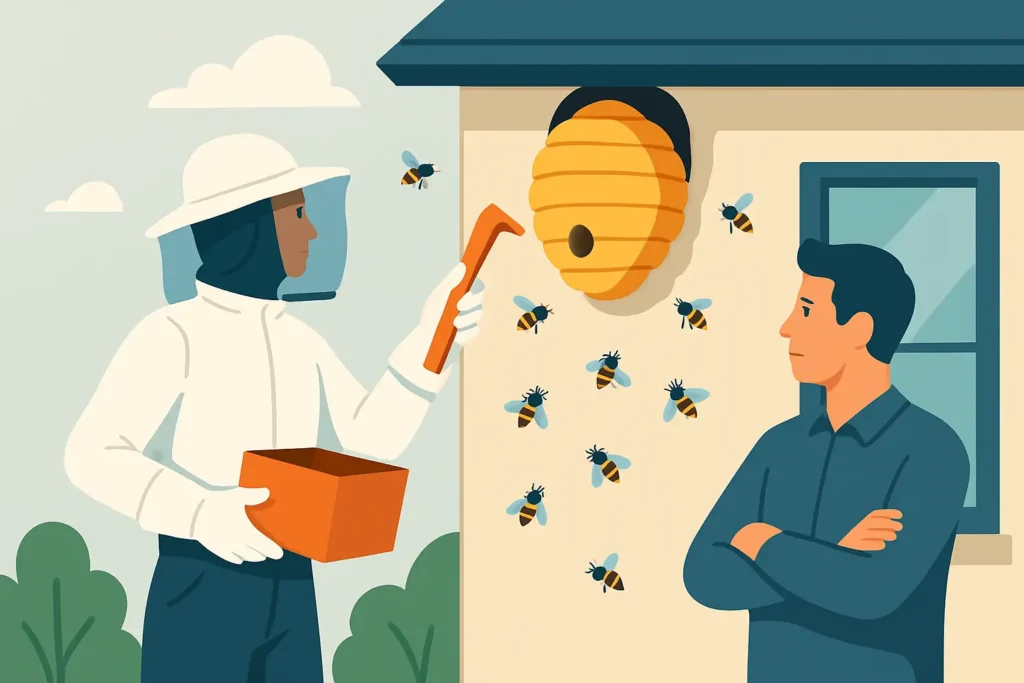
Hives established within structural cavities pose distinct and progressive threats to property integrity: bee hive removal
- Damage to Walls and Roofs: The construction and expansion of beeswax comb within wall cavities, soffits, or roofing structures can weaken framing, drywall, and insulation. The weight of a mature hive, laden with honey, can be substantial, leading to sagging or collapse.
- Honey Seepage Leading to Mold and Secondary Pests: Honey, a hygroscopic substance, can seep from damaged combs, saturating building materials. This creates an ideal environment for mold and mildew growth, leading to unpleasant odors and further material degradation. Furthermore, the presence of honey attracts other pests, including ants, rodents, and cockroaches, creating secondary infestations.
- Long-Term Repair Costs: Unaddressed infestations necessitate extensive and costly repairs, often involving demolition of affected areas, structural reinforcement, mold remediation, and pest control, far exceeding the expense of early intervention.
Prompt intervention is the most effective strategy to prevent these severe outcomes and mitigate repair expenditures.
What Health Risks Do Bee Stings and Allergies Pose in Spring?
The heightened bee activity in spring directly correlates with an increased incidence of stings and the potential for severe allergic reactions:
- Increased Bee Sting Incidents: More bees foraging and swarming near human activity inevitably lead to a greater number of painful stings, particularly for children and pets.
- Allergic Reactions and Their Severity: For individuals with bee venom allergies, a single sting can trigger a systemic allergic reaction, ranging from localized swelling to life-threatening anaphylaxis, characterized by respiratory distress, circulatory collapse, and loss of consciousness.
- Vulnerable Populations: Infants, young children, the elderly, and individuals with known allergies or compromised immune systems are at a significantly higher risk of adverse outcomes from bee stings and should exercise extreme caution.
Recognizing these inherent health risks underscores the critical importance of timely management for both individual safety and public health.
Sampson, H. A. (2007). Risk assessment in anaphylaxis: current and future approaches. The Journal of Allergy and Clinical Immunology, 120(4), 755-760.
Assessing the risk of anaphylaxis necessitates a dual approach: a definitive clinical diagnosis of a prior anaphylactic episode and a comprehensive evaluation of the probability of future severe reactions upon re-exposure to the specific allergen.
How Can You Identify a Bee Infestation During Spring?
Early detection of a bee infestation is paramount for effective and less invasive resolution. Property owners should remain vigilant for specific indicators of bee activity around their premises.
What Are the Signs of Bee Hives and Swarms Around Your Home?
Common and unmistakable indicators that bees have either established a colony or are actively scouting your property include:
- Visible Hives or Swarms: The direct observation of a cluster of bees (a swarm) on a tree branch or structure, or an established comb within eaves, attics, wall voids, chimneys, or hollow trees, constitutes an obvious red flag.
- Increased Bee Traffic: A consistent, directed flow of bees entering and exiting a specific aperture or void in your property suggests the presence of an active colony within that location.
- Audible Buzzing Sounds: Persistent and distinct buzzing or humming emanating from walls, ceilings, or roof spaces often signifies an established and active hive within a concealed structural cavity.
Prompt recognition of these signs provides crucial lead time, allowing for planned intervention rather than emergency remediation.
How to Detect Entry Points and Increased Buzzing Sounds?
Systematic inspection techniques can help pinpoint the precise location of a hive before professional assistance is sought:
- Common Entry Points: Meticulously inspect vents, gaps around window and door trim, soffit panels, unsealed utility penetrations, and any small openings in siding or roofing materials. Bees require surprisingly small access points.
- Listening Techniques: Conduct inspections during the quieter periods of early morning or late afternoon when ambient noise is minimal. Place an ear against walls or ceilings suspected of harboring a hive to more clearly discern buzzing sounds.
- Visual Inspection Tips: Observe bee flight paths. Bees typically follow a direct line to and from their hive entrance. Identifying this consistent flight pattern can accurately indicate the hive’s location.
Proactive detection significantly reduces the complexity and cost associated with resolving an infestation.
Why Is Professional, Humane Bee Removal Crucial in Spring?
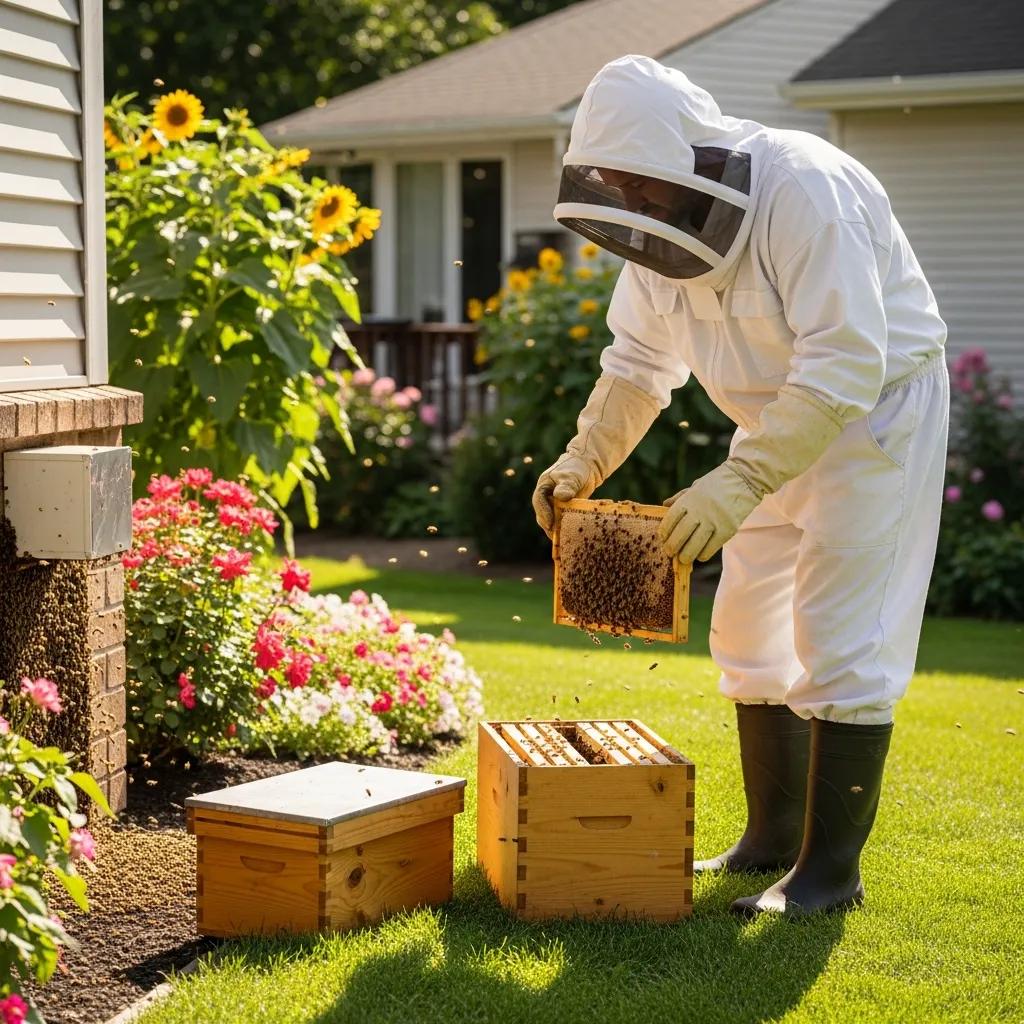
Given the complexities and potential hazards, spring infestations are best managed by certified and experienced professionals. Unqualified attempts at removal can be exceedingly dangerous, environmentally detrimental, and ultimately ineffective.
What Are the Risks of DIY Bee Removal in Spring?
Attempting to remove bees without specialized training, equipment, and knowledge carries a multitude of significant risks:
- Increased Risk of Stings and Injury: Without appropriate personal protective equipment (PPE) and expert handling techniques, individuals are highly susceptible to multiple stings, potentially provoking a defensive swarm response.
- Potential for Colony Aggression: Disturbing an established hive or swarm without proper methodology can trigger heightened defensive behavior, endangering not only the individual attempting removal but also nearby residents, pets, and passersby.
- Ineffectiveness and Recurrence: Many DIY methods, such as spraying with pesticides or attempting to seal entry points, often fail to eliminate the entire colony. This can lead to bees finding new access points, honey fermentation within walls, and recurring, more complex problems. Furthermore, improper pesticide use can harm non-target species and contaminate the environment.
For both personal safety and long-term efficacy, professional intervention is the unequivocally superior choice.
How Does Eli the Bee Guy Provide Eco-Friendly Spring Bee Solutions?
Eli the Bee Guy is committed to providing humane, environmentally responsible, and highly effective bee removal and relocation services:
- Humane Relocation Methods: Our primary objective is the live removal and relocation of bee colonies whenever feasible. This ensures the preservation of these vital pollinators, allowing them to continue their essential role in local ecosystems.
- Eco-Friendly Practices: We employ techniques that minimize environmental impact, strictly avoiding the use of harmful pesticides or chemicals that could adversely affect surrounding habitats, other wildlife, or human health.
- Expertise in Bee Behavior: Leveraging years of specialized experience and in-depth knowledge of bee biology and behavior, our team resolves infestations safely and efficiently for both people and the bees themselves.
Opting for a professional service like Eli the Bee Guy guarantees a safe, effective, and ethically sound solution that harmonizes property protection with ecological stewardship.
| Risk Category | Description of Impact | Severity Level |
|---|---|---|
| Health Risks | Elevated probability of bee stings and the potential for severe, life-threatening allergic reactions (anaphylaxis). | High |
| Structural Damage | Hives established within walls, roofs, or other structural voids can compromise building materials, leading to costly repairs and secondary issues like mold. | Medium to High |
| Financial Burden | Delayed action invariably results in more extensive, complex, and significantly more expensive repairs and remediation efforts. | Medium |
This summary unequivocally underscores why addressing bee infestations promptly is critical for safeguarding both human health and financial assets.
Commercial properties face analogous—yet often amplified—stakes. Ensuring the safety and well-being of employees, customers, and the public necessitates specialized commercial bee removal services that adhere to stringent industry best practices and regulatory compliance.
In conclusion, the spring season inherently increases the likelihood and urgency of bee-related issues. Unaddressed, these infestations pose substantial health risks and can inflict severe structural damage. Proactive monitoring for early signs of bee activity is essential. When an infestation is identified, engaging qualified professionals like Eli the Bee Guy ensures a reliable, humane, and environmentally responsible resolution. Timely intervention not only protects your property and its occupants but also contributes to the vital preservation of honey bees within our ecosystem.