What you will learn
- The questions to answer before you start
- The California rule every beekeeper must follow
- Why a sting allergy check comes first
Step by step
The steps are written in simple words. Tap a word with a dotted line under it to see what it means. Tap “Go deeper” under a step for the numbers and reasons behind it. Every step ends with one quick question, and the lesson quiz is at the bottom.
-
Ask about sting allergies first
Bees sting, and every beekeeper gets stung sometimes. About 3 in 100 adults have a serious allergic reaction to insect stings. Before you start, ask your family and your doctor if anyone at home has a sting allergy.
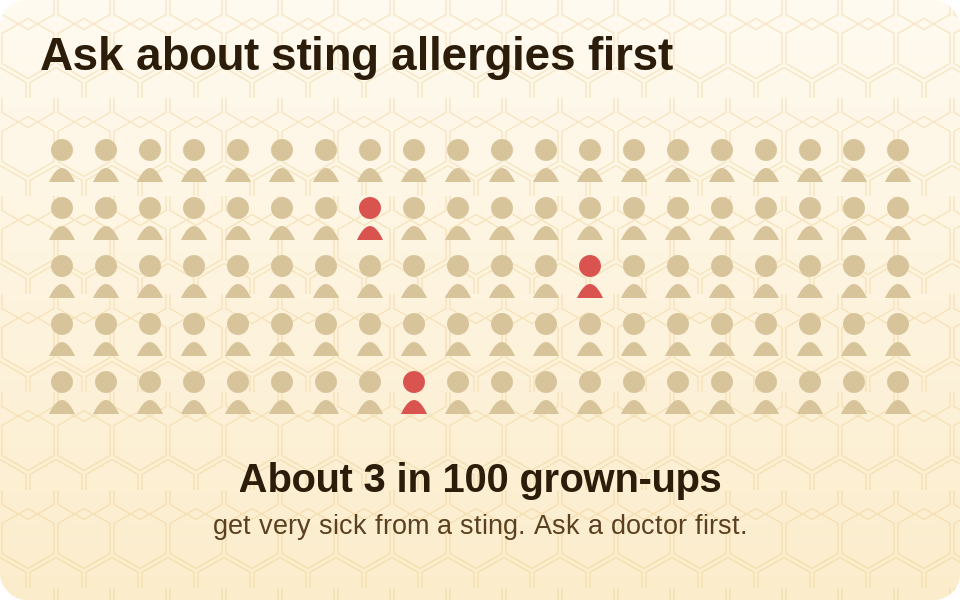
Picture 1. Three red figures out of 100: about how many adults react badly to stings. Go deeper
Allergy guidelines put serious whole-body reactions at about 3 percent of adults and 0.4 to 0.8 percent of children. Swelling that spreads well past the sting site, called a , happens in about 10 percent of people and is not the same as a dangerous allergy. An allergist can test for sting allergy, and allergy shots cut the risk of a serious reaction to a later sting to under 5 percent.
Check yourself: step 1
What should you ask your family and doctor before you start?
-
Check your city rules
Cities and counties in California set their own rules for backyard hives. Some limit how many hives you can keep or how close they can be to a neighbor. Look up your city code or call city hall before you buy anything.
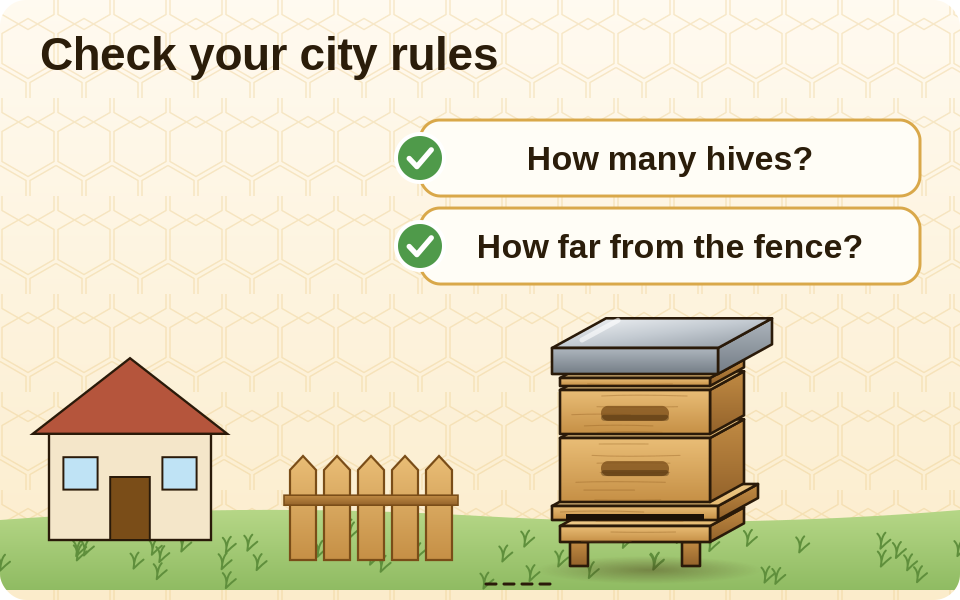
Picture 2. Three questions to ask your city or county before you buy anything. Check yourself: step 2
Who sets the rules for backyard hives where you live?
-
Know the state rule: register your hives
California law says anyone who owns or has bees must register them with the county agricultural commissioner. You register by January 1 each year, or within 30 days of getting your bees. You can do it online through a system called BeeWhere.
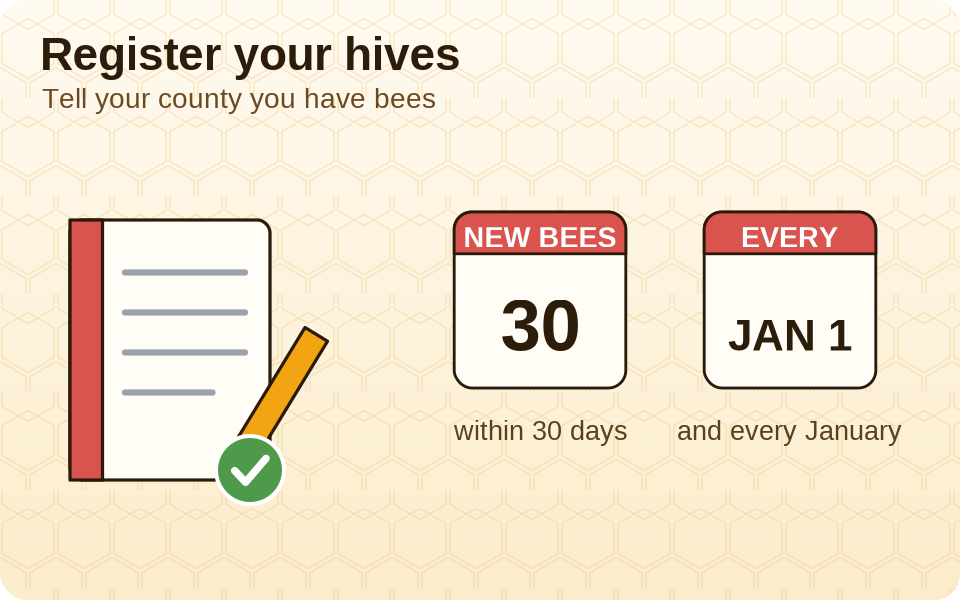
Picture 3. California hive registration: who, when and where. Go deeper
The rule is in California Food and Agricultural Code sections 29040 to 29045. Registration is filed with the agricultural commissioner in each county where you keep bees, and it lasts until the next January 1. State law caps the yearly fee at $250, and the fee for 1 to 9 colonies has been $10 since March 2025. Your hive locations are kept confidential.
Check yourself: step 3
How long do you have to register after you get your bees in California?
-
Think about time
A hive needs regular checks, most of all in spring and summer. Bees also need food and water when flowers are scarce. Ask yourself who will care for the hive when you are busy or on a trip.
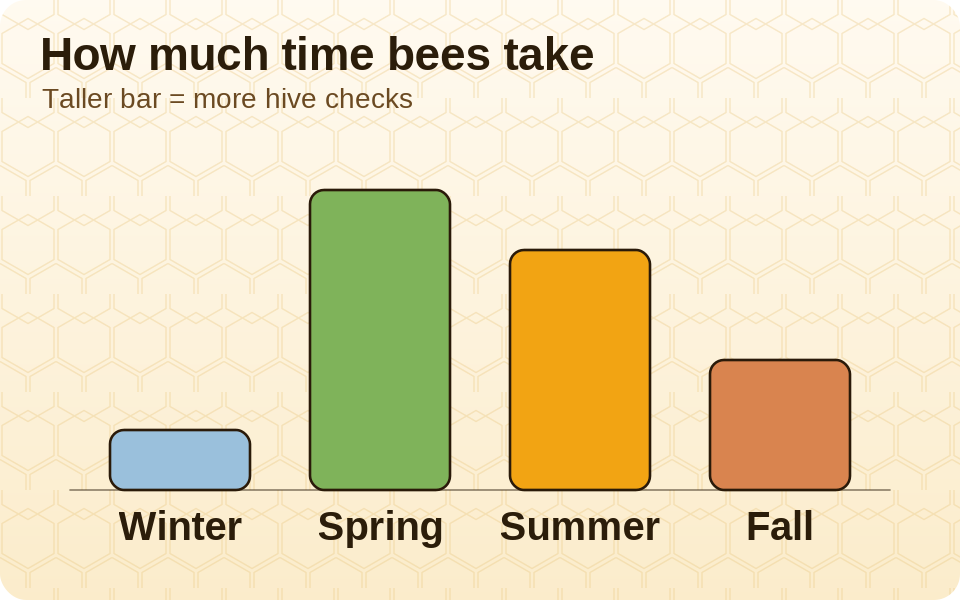
Picture 4. Spring and summer take the most time. Winter takes the least. Go deeper
If you move a hive, even inside the same county, California requires you to tell the county commissioner within 72 hours.
Check yourself: step 4
When does a hive need the most checks?
-
Talk to your neighbors
Tell the people next door about your plan. Ask if anyone has a sting allergy. Neighbors who know what to expect are much less likely to complain later.
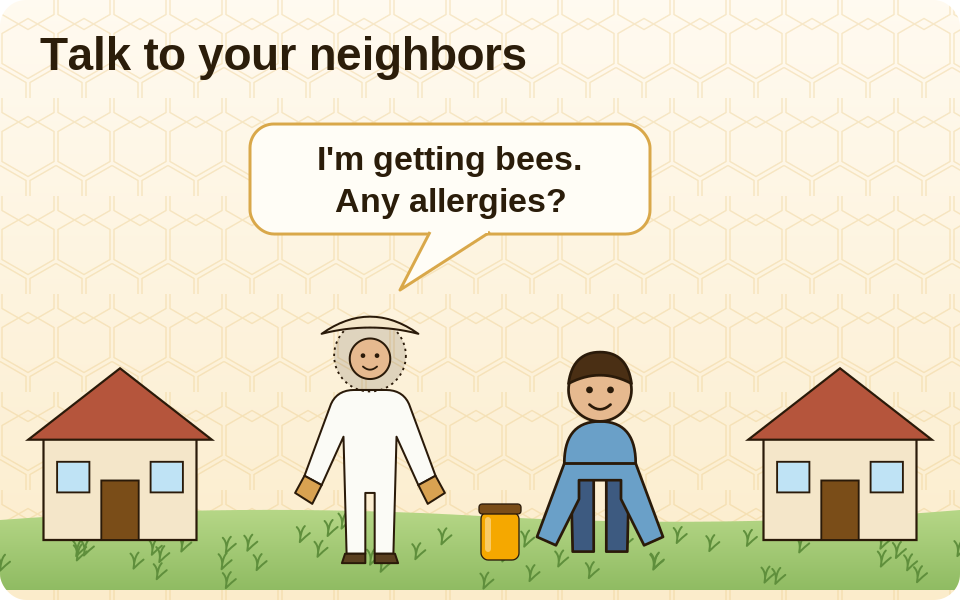
Picture 5. Tell the neighbors before the bees arrive. Check yourself: step 5
What should you ask your neighbors?
-
Find a teacher
The best way to learn is next to someone who already keeps bees. Look for a local beekeeping club. In California, the UC Davis California Master Beekeeper Program teaches classes for beginners.
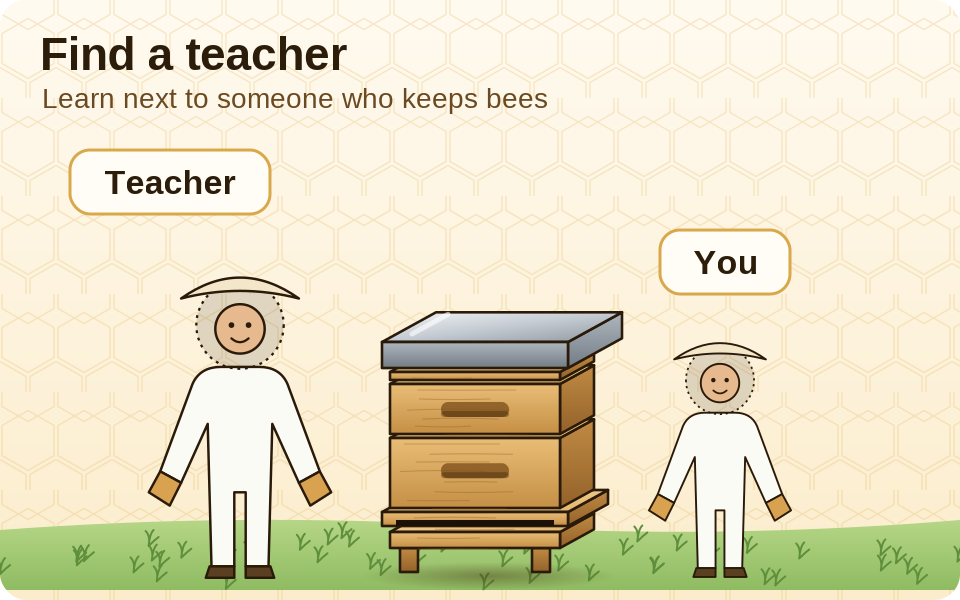
Picture 6. Learn beside someone who already keeps bees. Go deeper
National survey data show why a teacher helps. In 2025-26, backyard beekeepers lost 54.8 percent of their colonies, compared with 38.7 percent for commercial operations.
Check yourself: step 6
What is the best way to learn beekeeping?
Honey meter: 0 of 6 cells filled. Answer each step question to fill the frame.
Words to know
- Apiary
- A place where beehives are kept. One backyard hive counts as an apiary.
- Register
- To tell the county where your hives are and how many you have.
- Allergy
- When the body reacts too strongly to something, like a bee sting.
Lesson quiz
Pick one answer for each question. Get all 3 right to pass the lesson. You can try as many times as you like.
Who must register hives in California?
When is registration due?
What should you ask your family before starting?
Where these facts come from
- California Food and Agricultural Code §§29040-29045
- CDFA, BeeWhere apiary registration, 2026
- AAAAI/ACAAI, Stinging Insect Hypersensitivity Practice Parameter, 2017
- California Poison Control System (UCSF)
- UC Davis E.L. Niño Bee Lab, Backyard Beekeeping Timeline for California
- 3 CCR §2951 (apiary registration fees), 2025
- California Food and Agricultural Code §§29041, 29070.5
- Apiary Inspectors of America and Auburn University, U.S. Beekeeping Survey 2025-26, preliminary results, 2026
This lesson is general education. Rules and conditions differ by city and season, so check with your county and a local beekeeping club before you start.