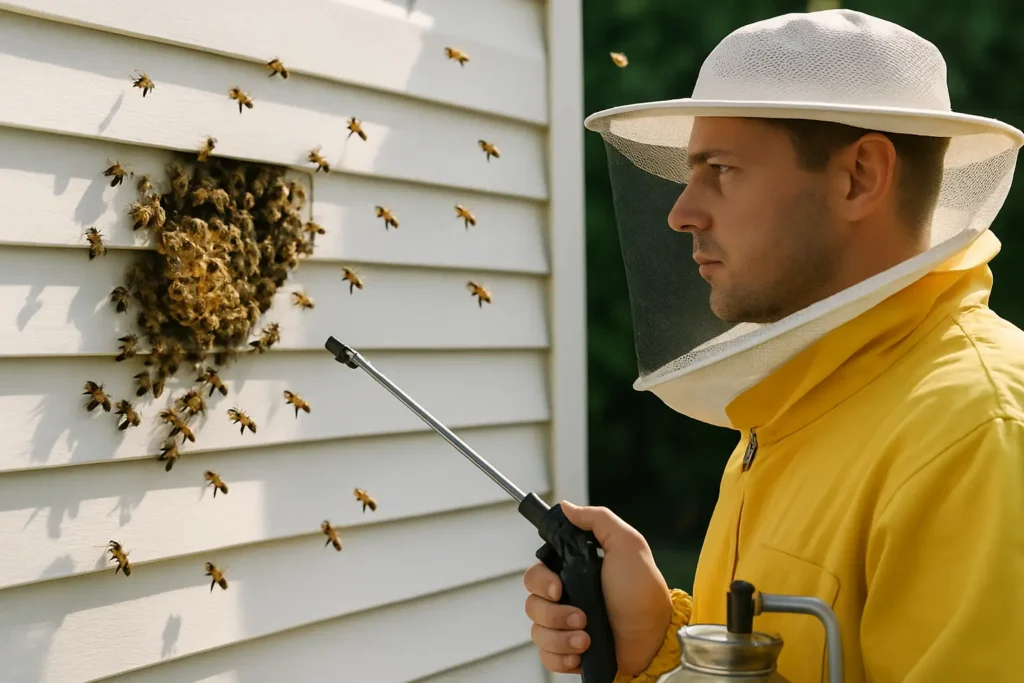
Honeybees are important pollinators for a wide variety of crops, including many fruits, vegetables, nuts, and seeds. It is estimated that honeybees pollinate over 80% of the crops grown for human consumption worldwide. Some examples of crops that are pollinated by honeybees include:
- Fruits: Apples, avocados, blueberries, cherries, citrus fruits, melons, peaches, pears, plums, and strawberries
- Vegetables: Asparagus, broccoli, Brussels sprouts, cabbage, cauliflower, peas, peppers, pumpkins, and tomatoes
- Nuts: Almonds, hazelnuts, pecans, and walnuts
- Seeds: Canola, cotton, flax, and sunflower
Honeybees are not the only pollinators that contribute to the production of these crops, but they are among the most important. In addition to these crops, honeybees also pollinate a wide variety of other plants, including flowers, trees, and shrubs.