When bees move into a rental, two people end up in an awkward spot. The tenant is the one listening to buzzing in the bedroom wall, and the landlord is the one who owns that wall. I get calls from both sides, and the first question is nearly always the same: who pays for this?
Short answer: In California, the landlord is generally responsible for bee removal when a colony is in the building, roof, walls or grounds they control, because state habitability law requires rentals to be kept free of vermin and pests. Tenants should report it in writing right away. Lease terms and specific facts can change the picture.
I'm a beekeeper, not a lawyer, so read this as general information about California rules and not legal advice. For your own situation, check your lease and talk to a landlord-tenant attorney, legal aid or your local housing agency.
Is the landlord responsible for bee removal in California?
Usually, yes. California Civil Code section 1941.1 lists the basics a rental needs to be considered fit to live in. One of them reads:
"Building, grounds, and appurtenances at the time of the commencement of the lease or rental agreement, and all areas under control of the landlord, kept in every part clean, sanitary, and free from all accumulations of debris, filth, rubbish, garbage, rodents, and vermin."
The full text of Civil Code §1941.1 is on the state's official site. The statute never says "bees," but the California Attorney General's tenant guide describes the landlord's duty as including adequate pest control for rodents and insects. A honey bee colony living in the walls, roof or attic is a problem with the building itself, so it falls to the landlord.
The California Department of Real Estate's landlord-tenant guide puts the general rule plainly: both sides share responsibility, but the landlord is ultimately on the hook legally for keeping the unit habitable.
California also limits how much of this a lease can push onto the tenant. Under Civil Code §1942.1, an agreement where a tenant waives or modifies their rights under the repair statutes is void for conditions that make the home untenantable. There's a narrow exception when a tenant agrees to do certain repairs or maintenance as part of the rent.
When might the tenant pay for pest control at a rental?
There are limits on the landlord's side too. Civil Code §1941.2 says the landlord doesn't have to make repairs when the tenant has substantially failed at their own basic duties and that failure contributed to the problem. Those duties include keeping the unit clean and sanitary, getting rid of garbage properly, using fixtures the way they're meant to be used, and not damaging the place.
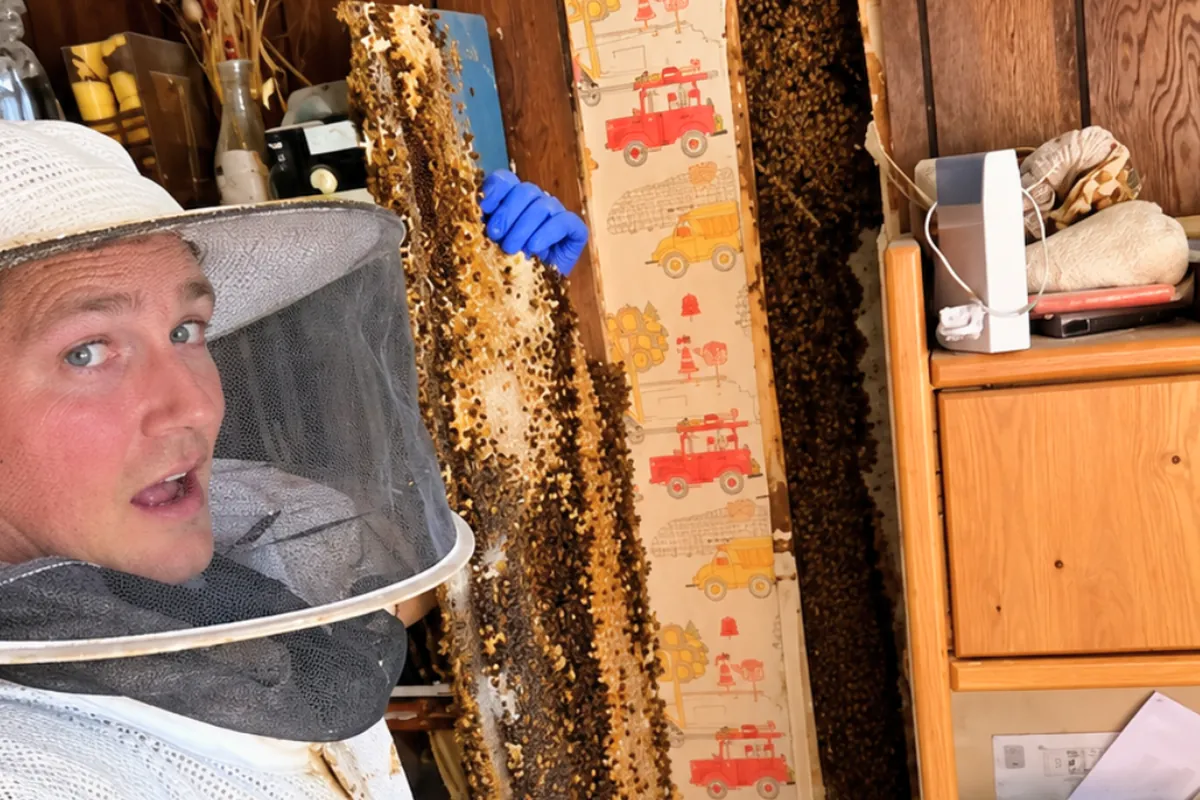
It's rare for a tenant to "cause" a honey bee colony. Bees choose a cavity because it's dark and protected, and a messy kitchen has nothing to do with it. A few situations do get murky, though:
- The tenant sprays or seals up the entrance and the bees end up inside the living space or cause damage.
- The lease for a single-family home gives routine yard and pest upkeep to the tenant, and the bees are in something like a planter, a stored item or the tenant's own shed.
- It's a temporary swarm hanging on a tree, and nothing is living in the building.
Here's roughly how it tends to shake out. Every lease and property is different, so use this as a starting point. It isn't a ruling.
| Where the bees are | Who usually handles it | Notes |
|---|---|---|
| Inside walls, roof, attic or chimney | Landlord | Part of the building's structure and habitability |
| Common areas, landscaping, meter or utility boxes | Landlord, HOA or utility | Depends on who controls the area |
| Swarm resting in a yard tree | Varies | Often moves on, but can still need a call if it's unsafe |
| Tenant's own belongings, like a stored grill or planter | Often the tenant | Check the lease, and tell the landlord anyway |
| Damage caused by a tenant spraying or sealing bees in | Could shift to the tenant | Civil Code §1941.2 limits the landlord's duty in some cases |
For the wider legal side of bees in California, local rules included, see my post on bee removal laws in California.
What should a tenant do about bees in an apartment or rental house?
If you rent and you've got bees, here's what keeps you safe and protects your rights:
- Keep your distance. Keep kids and pets away from the entry point, and don't run a mower, blower or other loud equipment near it.
- Don't spray, plug or tape the hole. Blocking the entrance can push bees into your living space, and bug spray kills some of the bees while leaving the comb and honey behind to cause trouble later.
- Take photos and video of the bees going in and out, plus any stains, sounds or bees indoors.
- Tell your landlord in writing. The Attorney General's guide suggests asking for repairs in writing (text, email or letter) and keeping copies or photos of every request. Note the date and any allergies in the household.
- Follow up. If nothing happens, send a written follow-up. If the landlord still won't act, the AG's guide suggests contacting your local code enforcement, building or health department.
What about repair and deduct?
California's repair-and-deduct law (Civil Code §1942) lets a tenant, in some cases, pay for a repair the landlord should have made and take it out of the rent. The limits are strict. The condition has to make the home untenantable. The landlord has to get notice and a reasonable time to act; 30 days is presumed reasonable, though a shorter time may be justified when circumstances require. The cost generally can't be more than one month's rent, and you can't use it more than twice in 12 months. The Attorney General's guide warns that getting this wrong can put you at risk of eviction, so get legal help before you try it. California law also prohibits landlords from retaliating against tenants who ask for repairs.
If someone in your home has a serious bee sting allergy, put that in your notice. If anyone gets stung many times, has trouble breathing, gets swelling in the face or throat, or feels faint after a sting, call 911. My page on bee removal when allergies make it urgent covers that in more detail.
What should landlords and property managers do?
If you're the landlord, treat bees like an urgent maintenance call. Waiting almost never saves money. A colony in a wall keeps growing and keeps adding comb and honey, and that means a bigger opening and more patching later. In the meantime your tenant is living next to a colony of stinging insects, which is a habitability issue and a safety problem you don't want hanging over you.
- Answer written reports quickly, and keep a record of what you did and when.
- Get it inspected so you know whether it's a passing swarm, an established colony, or yellow jackets or wasps.
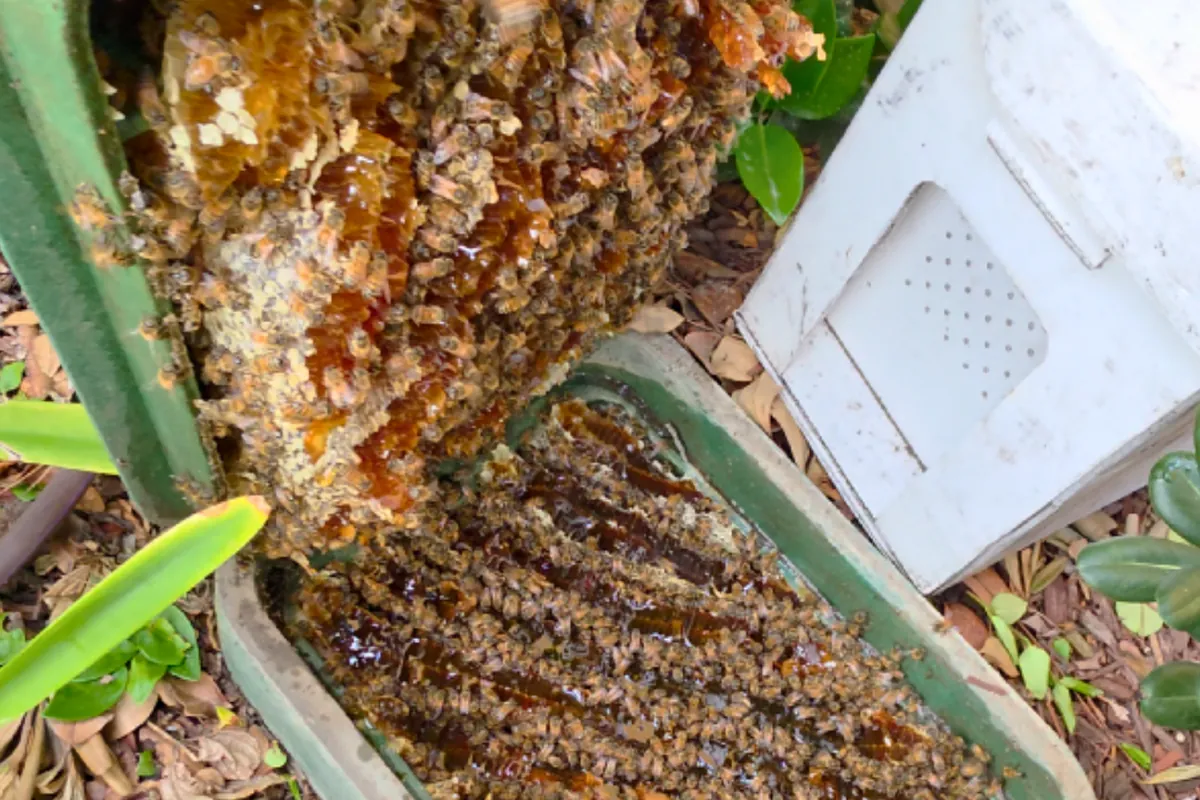
- Have the comb taken out along with the bees. Leftover honey and wax draw pests and new swarms, and they can ruin drywall.
- Seal the entry point so you aren't making the same call next spring.
- Ask your insurer or attorney about liability, especially if someone has been stung.
Apartments, commercial buildings and HOAs
In apartment buildings, condos and HOA communities, who handles the bees usually comes down to whether the colony is inside one unit's walls or in a common area, and what the CC&Rs or management agreement say. I work with property managers, HOAs and businesses through my commercial bee removal service, and with individual owners through residential bee removal.
How does humane bee removal work at a rental?
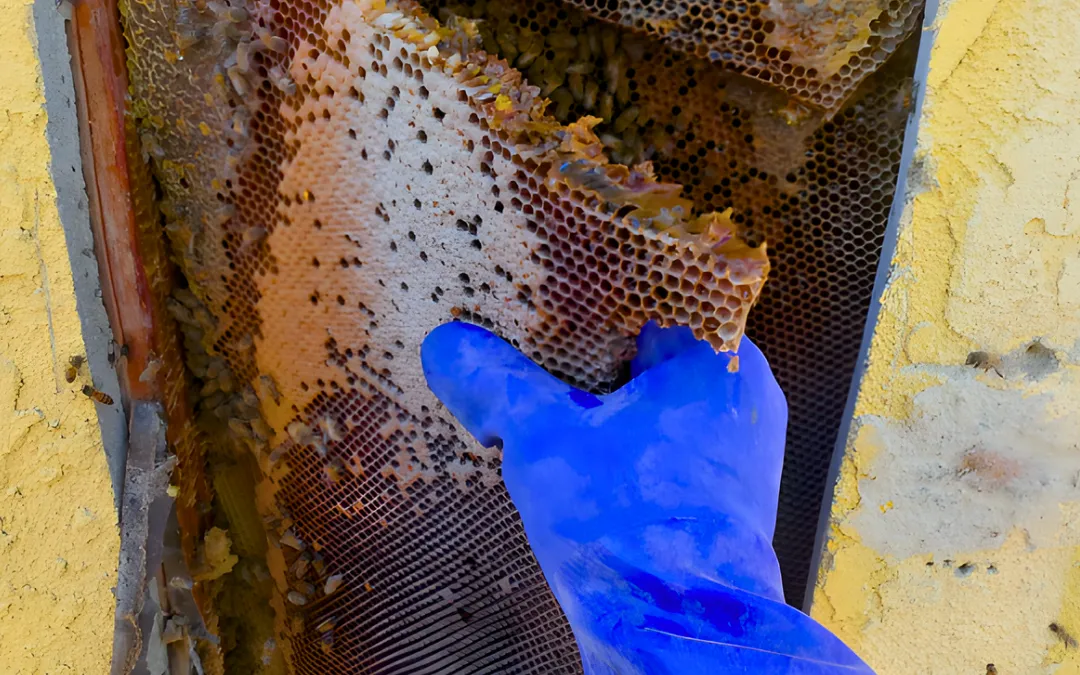
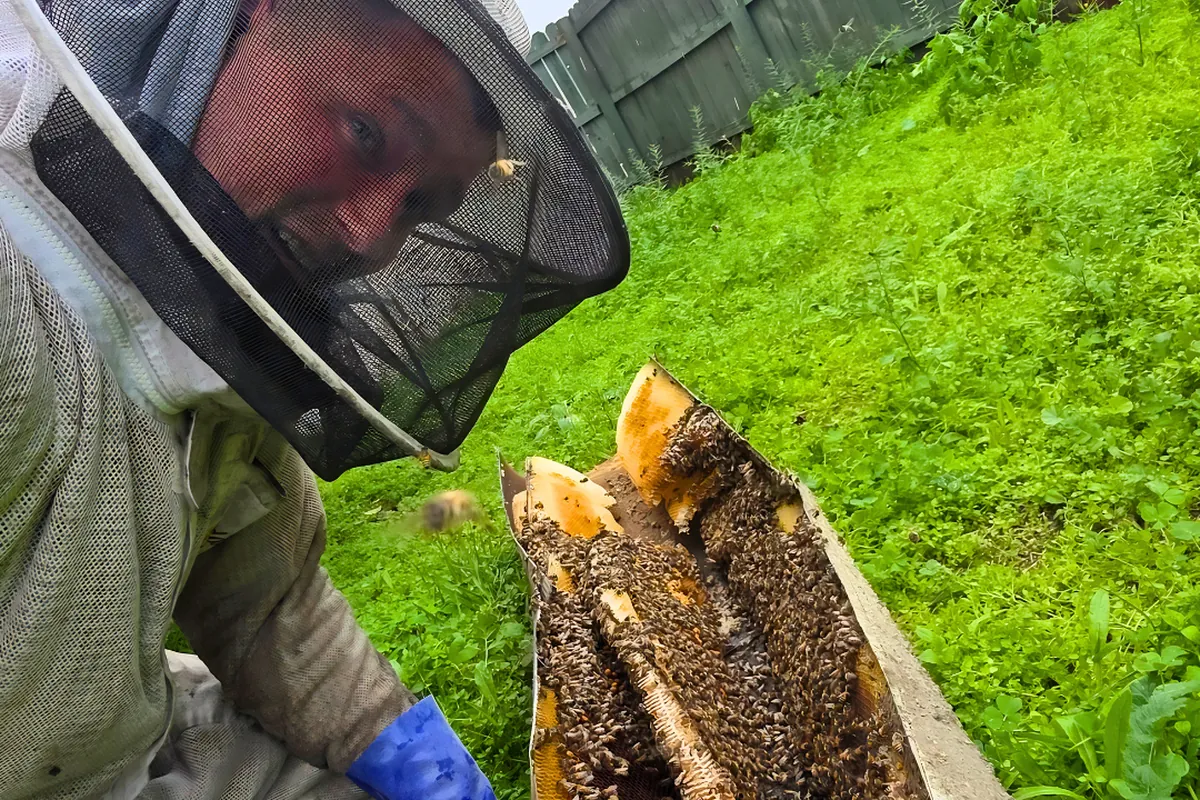
I do it the same way I do it anywhere else. It starts with a free inspection to confirm what's there and where the colony sits. With honey bees, I take the bees out alive with no chemicals, pull all of the honeycomb, clean out the wax and honey residue, then seal and patch the entry point so bees don't move back in. The colony goes to a vetted local beekeeper. Scheduling and access go a lot easier when the landlord and tenant are on the same page, and I'm glad to coordinate with both of them.
Need a hand?
Tenant, landlord or property manager, I can come out for a free inspection and tell everybody exactly what's going on. I work on rentals all over Orange County, the Inland Empire and Los Angeles County, from Long Beach to Santa Ana. Call (626) 487-6052 or request a free quote online.
Frequently asked questions
Can I withhold rent because of bees in my apartment?
Can my landlord charge me for bee removal?
How long does a landlord have to remove bees in California?
Is my HOA responsible for bees in my condo?
Should tenants call a beekeeper themselves?
Like these guides? Add Eli the Bee Guy as a preferred source on Google to see more of them in your search results.