What happens to bees after a live removal and relocation: how colonies survive and rebuild
A live removal and relocation means moving the whole honey bee colony (queen, brood, workers and comb) to a managed apiary so it can recover and keep pollinating. Doing it this way keeps the bees alive, and it also gets rid of the pheromone scent that tends to pull new swarms into a cavity that’s already been treated. Below I go through what the bees do right after they’re moved, what decides whether they make it, what happens to the foragers who were out when the hive came out, and what homeowners can do to keep bees from moving back in, through a good cleanup and repairs. I’ll cover the biology, like how bees control temperature, protect the queen and make orientation flights, along with the practical side: when to move a colony, using short-term bait boxes, and sealing entry points so fewer bees are lost. There’s also a short section on humane relocation and how following up after the move takes stress off the colony on Southern California jobs. Once you know how this works, it’s a lot easier to make a decision that’s good for your house and for the bees.
How Do Bees Survive Immediately After Live Removal and Relocation?
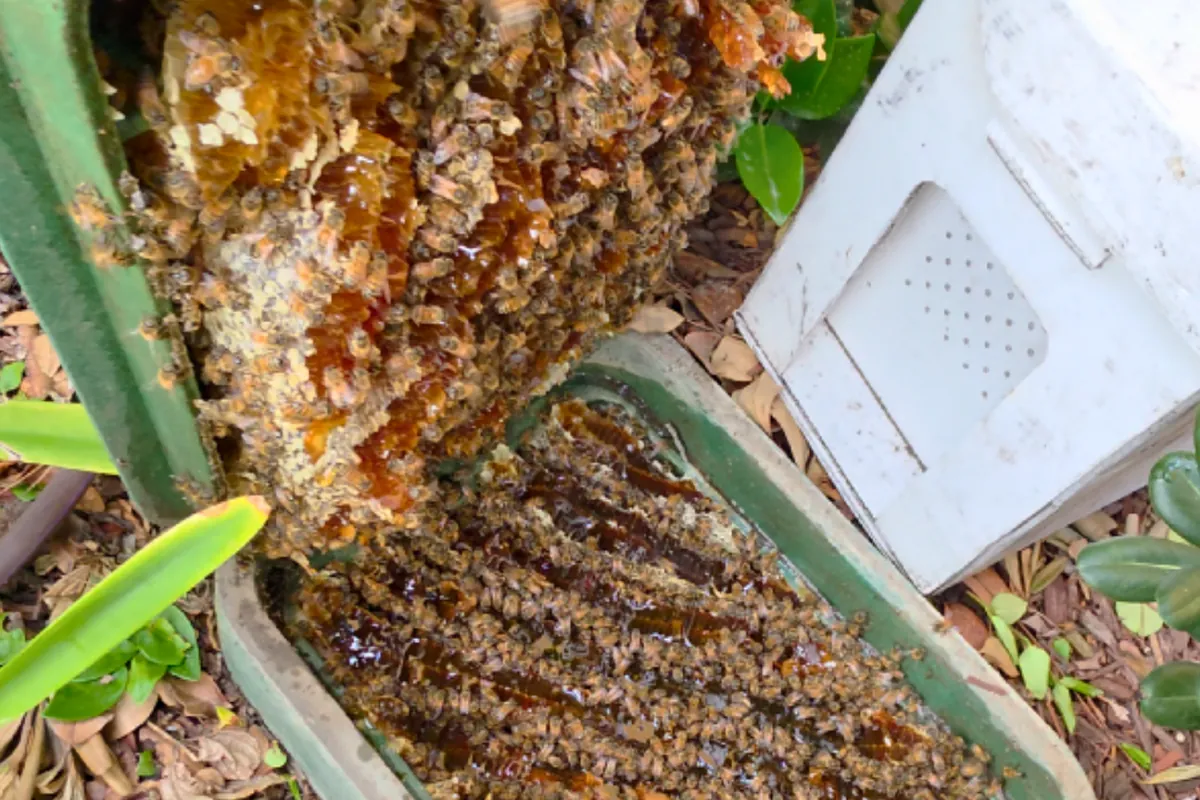
Right after a relocation, a honey bee colony gets to work settling into its new home. The bees cluster up fast, control the temperature, and protect the queen. During the drive and the first few hours at the new spot, the workers pack in tight to keep the inside warm and cover the queen, and the nurse bees look after any exposed brood so it doesn’t get chilled. That short settling-in window is what keeps the brood alive and gives the colony time to get used to its new place. When a colony goes into a new hive, beekeepers usually see three things happen right away:
- Clustering and temperature control. The workers pull together around the brood and the queen and hold the temperature steady.
- Orientation and guarding. Some workers take up guard spots at the entrance, and others start short orientation flights to learn the area around them.
- Brood care. Nurse bees check, cover and feed the larvae so the next generation keeps developing.
Those first steps lead into more orientation flights and the foragers learning where the food is, and that’s where the adjustment period starts.
What Is the Colony Adjustment Period After Relocation?
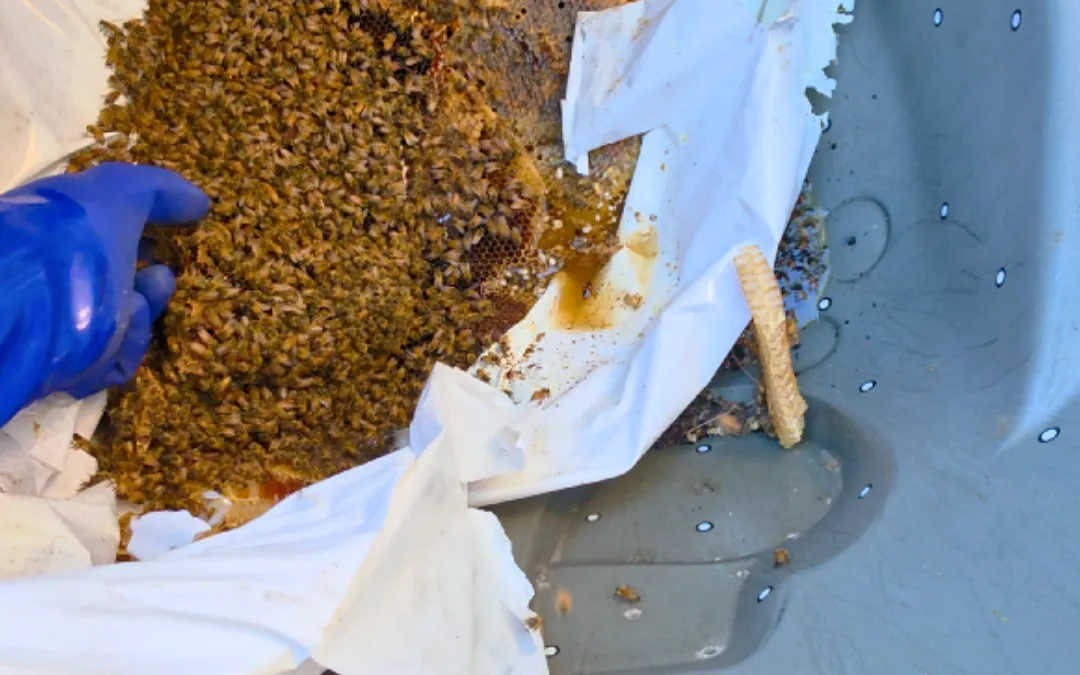
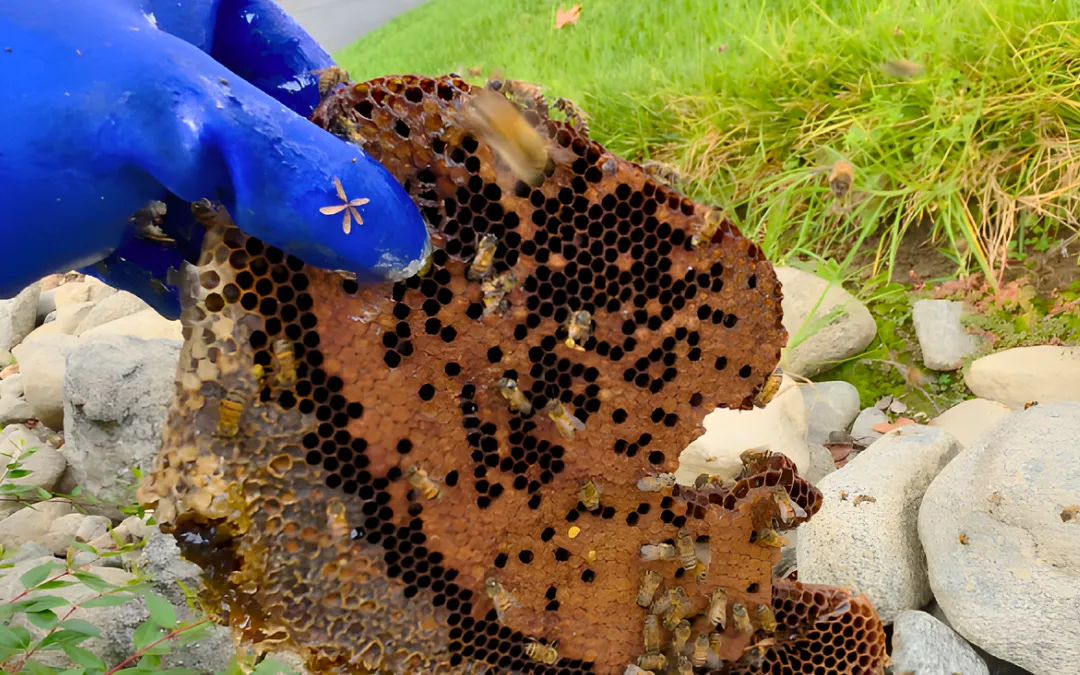
The adjustment period usually runs from the first week to about a month after the move. During that time the bees get their comb sorted out again, go back to normal brood cycles, and pull back together as a colony. The queen may stop laying for a little while and start again once the brood temperature and food stores hold steady. A good beekeeper watches for eggs and capped brood, because those are the clearest signs the colony is recovering. If you see stress that doesn’t let up, like tight clustering for more than a few days, erratic foraging, or bees that barely defend the hive, it often means the move went badly or the queen got hurt. A healthy colony usually settles within 48 to 72 hours, then gets back to raising brood and making regular orientation flights within the first week.
How Do Foraging Bees Reorient to Their New Environment?
Foragers learn their new area through orientation flights that get a little longer each day over several days. They map the new landmarks and find the flowers, mostly by sight and by scent. At first they stay close, usually within a few hundred meters, while they update their internal map and lay down new pheromone trails between the nest and the food. Weather and how much forage is close by make a big difference in how fast this goes.
Within the first week, returning foragers change up their waggle dances to point the others toward new food, which helps the colony adjust. If the new site doesn’t have much variety in flowers, or there’s a lot of pesticide around, that slows things down. How well they reorient comes down to how strong the colony is overall and whether it has experienced foragers who can scout and communicate well.
What Factors Affect the Survival Rate of Relocated Bee Colonies?
Whether a relocated colony survives depends on a few things working together: how good the receiving apiary is, how the bees were transported, how healthy the queen is, colony size, and the timing compared to the natural nectar flow. A well-chosen apiary has a lot of different forage, clean water and very little pesticide exposure, and a safe drive keeps the queen from getting lost and the brood from getting chilled. The table below shows the main factors, what they do to survival, and practical ways to lower the risk.
| Factor | How it Affects Survival | Practical Mitigation |
|---|---|---|
| Apiary quality | Shapes long-term food, water, and pesticide exposure | Select diverse forage sites with shelter and clean water |
| Queen condition | Controls reproduction and colony cohesion | Keep the queen secured during transport and inspect after placement |
| Colony strength | Larger colonies buffer stress more effectively | Move when the cluster is strong; avoid weakening splits |
Put those three together and you have most of the answer. A healthy queen in a well-picked apiary with plenty of forage has a much better shot. Knowing that helps when you plan and prepare a relocation.
How Does Apiary Selection Influence Colony Health?
Where the colony ends up makes a huge difference to its health. The receiving site decides how much nectar and pollen there is, whether the bees are sheltered from pesticides and predators, and how far apart the hives sit, which affects disease spread and drifting. The best sites have forage that overlaps across several seasons, clean water close by, and not much intensive farming nearby that could expose the bees to harmful insecticides. The local conditions, like sun and wind protection, affect how well the bees can keep warm, and spacing the hives sensibly cuts down on robbing and disease. An apiary with the right mix of forage, safety and access helps the colony recover faster and stay productive for the long run.
What Role Does Queen Bee Protection Play in Relocation Success?
A colony can’t rebuild without its queen. If she’s lost or hurt during the extraction or the drive, the workers can’t make up for it, and brood and colony cohesion fall apart quickly. Professional beekeepers protect the queen by putting her in a secure cage or a sectioned frame during extraction, handling her as little as possible, and checking that she’s there right after the colony is placed. The best sign that it worked is the queen laying eggs again over the next week. If there are still no eggs after about two weeks, the colony usually needs a follow-up inspection or a new queen. That’s why protecting the queen at every step of the relocation process is one of the most important parts of the job.
What Happens to Foraging Bees Left Behind During Removal?
Foragers who are out when the hive comes out are called stragglers, and a few things can happen to them. They come back confused, join a nearby colony, get eaten or starve, or get picked up and brought along. Some stragglers always get left behind, just because of when they were out foraging or how far they’d gone. Their odds get a lot better with good timing on the removal and temporary bait boxes. The table below covers what usually happens to foragers and how a careful operator cuts down the losses.
| Forager Condition | Likely Fate | How Risk Is Reduced |
|---|---|---|
| In-flight foragers | Become disoriented and may perish | Schedule moves for low foraging times; use smoke and baits |
| Distant foragers | Fail to find the new hive | Place temporary attractant boxes near the original exit |
| Returning foragers | Attempt to re-home or die | Coordinate retrieval and monitor after the move |
That’s why timing and short-term ways of holding onto returning bees matter so much. They keep the worker count up, and the colony needs those workers.
Why Do Straggler Bees Get Left Behind and What Are Their Survival Challenges?
Stragglers are usually out collecting nectar or pollen when the extraction happens, so they lose the nest’s pheromone trail. They have to find their way back without their usual cues, and that leaves them a lot more exposed to predators and exhaustion. They may not find the new hive, they can get picked off by birds or other insects, and they don’t have stored honey nearby for energy. On a careful relocation, a small share of the workers may be lost, but that number climbs fast when the move happens during peak foraging or when a lot of foragers are working far from the nest. Cutting that risk means timing the move well and using short-term holding methods to catch returning workers.
How Does Eli the Bee Guy Minimize Loss of Foraging Bees Post-Removal?
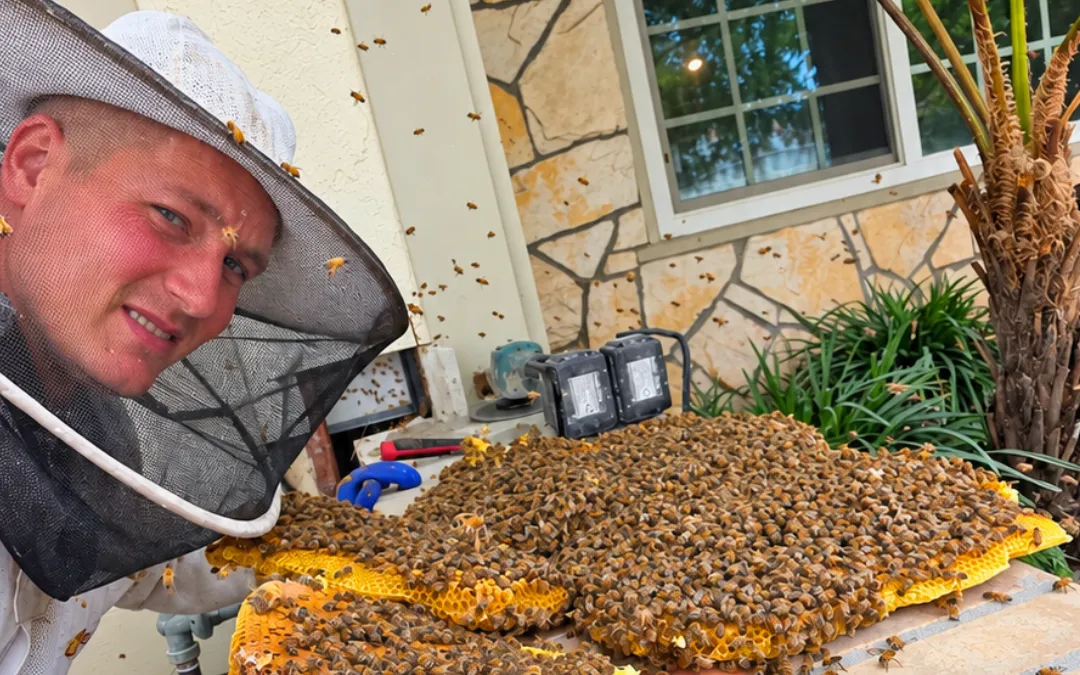
At Eli the Bee Guy, I use standard beekeeper methods to keep straggler deaths down and hold onto as much of the colony’s workforce as I can. That means timing removals for when foraging is low, setting temporary bait boxes at the original exit, and coming back to check on them. In practice, I set out short-term attractants to draw returning foragers into managed boxes so they can be moved later, keep an eye on the site for several days after the move, and work with the apiary managers to get the caught workers safely back with their colony. That follow-up keeps the colony working and is part of doing relocation humanely. Homeowners around Southern California regularly tell me they appreciate how responsive I am and that a trained beekeeper is doing the work. If you want a careful live relocation, ask me about local availability and follow-up visits.
How Can Re-infestation Be Prevented After Bee Removal and Relocation?
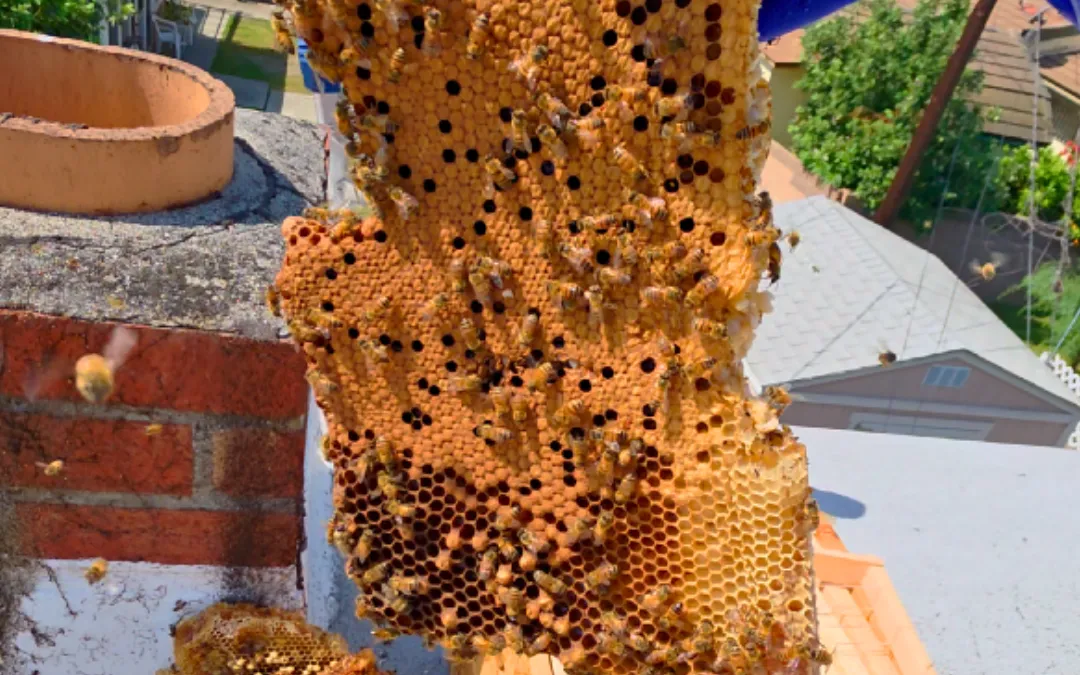
You can prevent most re-infestations with a quick, correct cleanup and good sealing. The main steps are getting all the comb out, killing off the leftover pheromone scent, and sealing every entry point tight. Right after a removal, homeowners and whoever did the removal should get these done to keep new swarms and scavengers away:
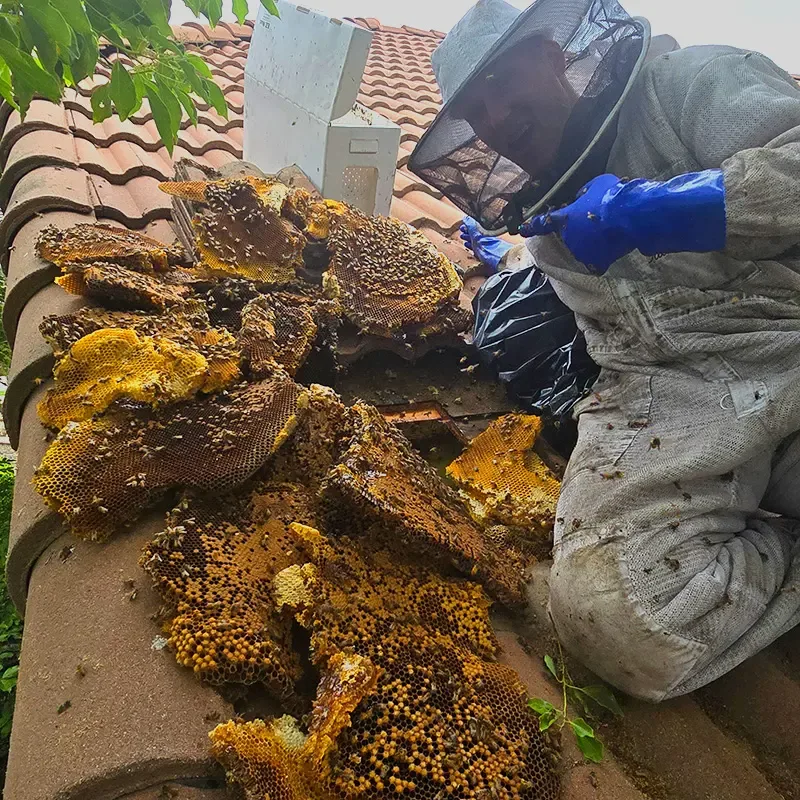
- Remove the comb and honey residue. Leftover comb and honey give off a strong nest scent that scout bees home in on.
- Clean and deodorize the surfaces. Enzymatic cleaners or heat break down the leftover bee scent.
- Seal the entry points. Use materials that hold up, like stainless steel mesh, flashing and exterior-grade caulk, to keep bees from getting back in.
Together, those make the spot a lot less interesting to scouts. The table below compares common post-removal bee hive removal steps and how well they work.
| Post-Removal Action | Reason | Effectiveness/Notes |
|---|---|---|
| Wax and comb removal | Eliminates pheromone-laden structure | High; usually essential for long-term prevention |
| Surface cleaning | Reduces scent cues | Medium to high; repeat if odors persist for optimal results |
| Structural sealing | Blocks access to cavities | High when durable, weather-resistant materials are used correctly |
Cleanup and sealing work together. Removal takes away what attracts the bees, and sealing takes away the way in. Do both quickly and thoroughly and bees are very unlikely to move back in.
Why Is Thorough Site Cleanup Essential to Prevent Bee Return?
A thorough cleanup gets rid of the pheromones and food residue that work like a beacon for scout bees, and it keeps away other pests that go after leftover honey. Pheromones can stick to wax and building materials for weeks, so getting the comb out right away and cleaning the surfaces afterward cuts the attraction down fast. I recommend taking the comb out the same day and doing a full cleaning within a few days, with gentle scraping and the right cleaners so you don’t damage the structure. A fast cleanup means a lot less chance of doing it all over again, and it’s the base of keeping bees out long term.
What Are Effective Methods for Sealing Entry Points and Deterring Bees?
Good sealing means durable materials (exterior-grade caulk, stainless-steel mesh and flashing) plus patching where the siding or eaves were opened up. That keeps the cavity closed off to bees and other animals. Small gaps can sometimes be handled with DIY fillers, but bigger voids or hidden cavities usually need a professional to look at them and patch them. I’m not a licensed contractor, so my patches are patches, not rebuilds, and they don’t carry a structural warranty. A lot of humane relocators include sealing and follow-up checks after the removal as part of the job, and I back my structural removals with a 6-month guarantee that the bees won’t come back. When the sealing’s done right, the cues that draw bees back to the old spot are gone.
Protect Your Home & Our Pollinators
At Eli the Bee Guy, I do live, humane removal, with cleanup and sealing options, and I offer follow-up checks to make sure the site stays closed up. Wrapping a job up that way protects the homeowner and gives the relocated colony its best shot. If gentle relocation and a local beekeeper matter to you, I serve all of Southern California and come back out after the job to cut down on straggler losses and keep bees from moving back in. Calling a trained beekeeper for a live relocation keeps your property safe and gives the colony the best chance it’s going to get.
Like these guides? Add Eli the Bee Guy as a preferred source on Google to see more of them in your search results.